إيقاعات الأمعاء بلا ساعة سريع
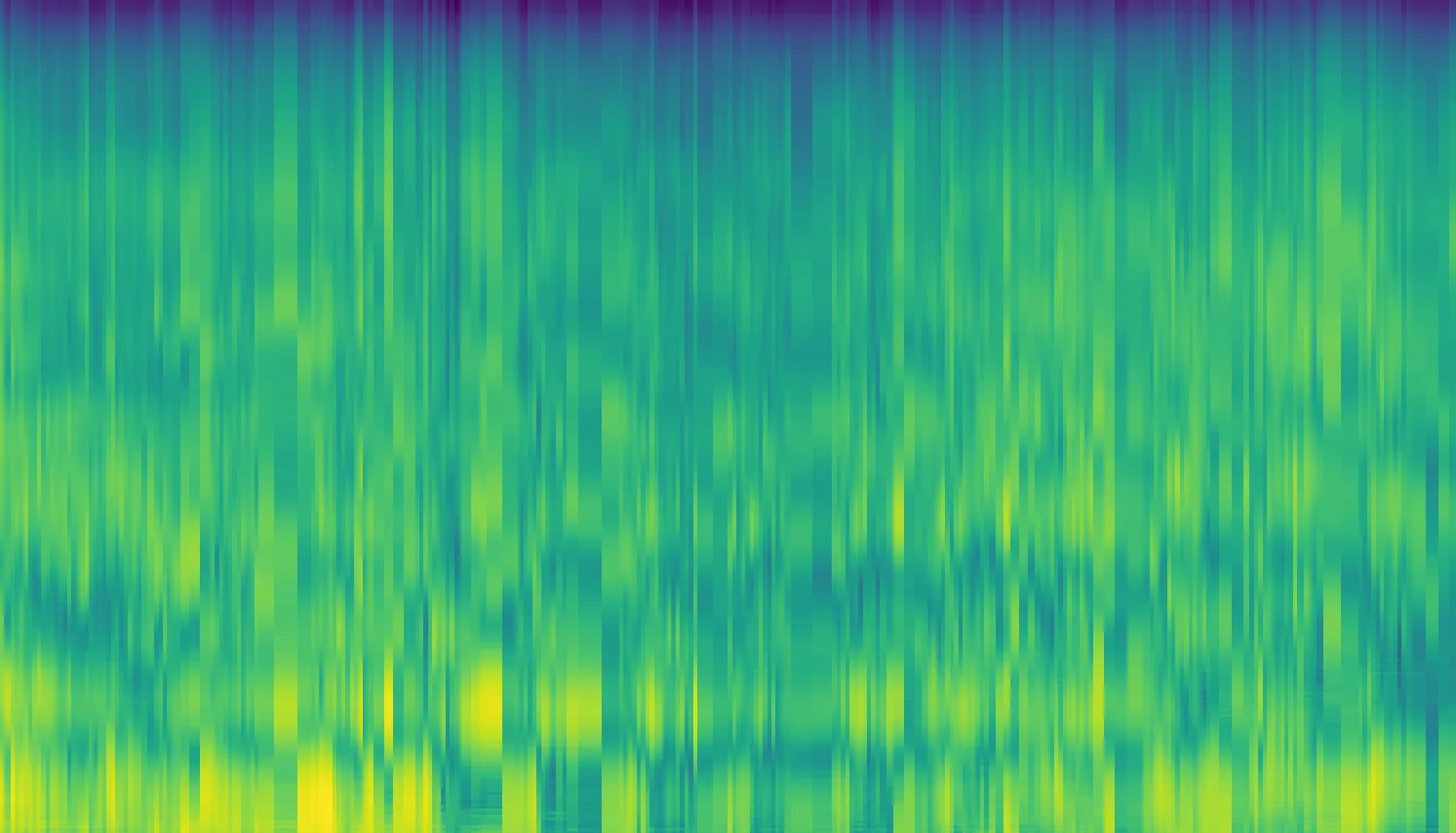
في أي مجتمع معقد — سواء كان أوركسترا أو مستعمرة ميكروبات — يمكن ملاحظة إيقاع. في أمعاء الفئران، تغير البكتيريا أعدادها يوميًا، وبدا لفترة طويلة أنها تضبط ساعتها الداخلية على ساعة المضيف. ولكن عندما دقق الباحثون في بيانات القياسات كل ساعة، انهارت الصورة المألوفة.
لم يجدوا أثرًا ثابتًا لإيقاع 24 ساعة — ما قد يسميه المتخصصون "قمة" على خريطة التردد الزمني. بدلاً من إيقاع واضح، أظهرت الرسوم البيانية شيئًا مختلفًا: تعزيز الموجات البطيئة، وانخفاض في الترددات المتوسطة، وعدم تناسق غريب في الزمن. لو كان الإيقاع حقيقيًا، لبدا الماضي والمستقبل للتقلبات متشابهين. هنا، بلغت ذروة الارتباط عشرات الساعات — وكأن الصدى يتلاشى بشكل غير متساوٍ.
ظهر نوعان من البكتيريا كبطلين رئيسيين في هذه الدراما الزمنية. مجموعة واحدة — محللات السكريات المعقدة من شعبة Bacteroidota — كانت تعزز أي اهتزاز، مثل مرنان. والأخرى — منتجة الأحماض الدهنية من Bacillota A — كانت مصدر هذه الاهتزازات. لم تُحدد أدوارهما من خلال مرحلة التذبذب، بل من خلال كيفية استجابتهما للصدمات العشوائية. معًا، يخلقان ما أسماه المؤلفون "التوافق الزائف": هندسة تفاعلهما تجعل التقلبات العشوائية (الانحرافات غير المنتظمة) تصطف لفترة قصيرة في شكل يشبه الإيقاع. هذا يكسر تناظر الزمن ويخلق وهم الساعة حيث لا توجد.
يسمي المؤلفون هذا النظام "نظامًا عشوائيًا مستقرًا لكنه غير طبيعي بشدة". ويقترحون طريقة للتحقق: إذا تم تعطيل الجينات المسؤولة عن الساعة الداخلية في الفئران، ولكن بقي "التوافق الزائف" — فهذا يعني أن مصدر الإيقاع ليس في دقات الساعة البيولوجية، بل في بنية المجتمع نفسه.
الملخص الأصلي
كما كتبه المؤلفون، بالإنجليزية arXiv:2608.00662v1
Diurnal rhythms in the gut microbiome are commonly read as evidence of host-driven entrainment or of microbial oscillators that synchronise to a common clock. We reanalyse hourly genome-resolved (MAG-level) mouse-gut time series with diagnostics tailored to test that interpretation. At this resolution and for both animals in the dataset, the time-frequency representation carries no persistent ridge; the time-averaged spectrum is enhanced at low frequencies and depleted at intermediate frequencies; the lagged covariance is markedly time-asymmetric, with a global imbalance peak near tens of hours; and an amplitude-adjusted Fourier surrogate test identifies a weak time-averaged construction in the candidate circadian band, never as a fixed time-frequency ridge. The two functional guilds that carry the inferred non-normal amplification are identified independently by the rankings of two inferred dynamical modes (the reaction mode, into which fluctuations are transiently amplified, and the non-normal mode, which injects them), and recover the primary polysaccharide degraders of Bacteroidota and the secondary butyrate and propionate fermenters of Bacillota A without invoking any phase information. The conjunction of these signatures matches a stable but strongly non-normal stochastic regime, that is, pseudo-coherence: geometric amplification reshapes stochastic fluctuations onto a low-dimensional reaction subspace, producing intermittent synchronisation-like episodes, broken time-reversal symmetry, and emergent time-averaged characteristic scales without an underlying oscillator. We propose a falsifiable test via high-resolution clock-gene-knockout cohorts.
حتى في الفئران التي تم حذف جينات الساعة البيولوجية، قد تبقى التقلبات اليومية للبكتيريا في الأمعاء — ببساطة لأنها تستجيب لمواعيد التغذية، وليس لإشارة داخلية من الجسم.
في رواية "أطفال الزمن" لأدريان تشايكوفسكي، تطور العناكب عقلًا جماعيًا دون مدير مركزي — تمامًا كما تخلق البكتيريا نظامًا زمنيًا عبر تفاعلات عشوائية دون ساعة مشتركة.