العلاج الإشعاعي للدماغ: نقرة واحدة بدلاً من الضبط اليدوي سريع
عندما يصيب الورم الدماغ بأكمله، يقوم الأطباء بتشعيعه كاملاً. هذه طريقة موثوقة، لكن ضبط التشعيع عمل شاق: يجب اختيار المعايير بحيث يحصل الورم على الجرعة المناسبة، بينما تتأثر العيون والعدسات بأقل قدر ممكن. عادةً، يقضي الأخصائي حوالي 15 دقيقة في ضبط الإعدادات يدوياً داخل البرنامج.
الآن أصبحت هذه العملية أسرع. درّب الباحثون شبكة عصبية على 55 حالة حقيقية: نظرت إلى شكل الورم وموقع الأعضاء الحساسة، وتوقعت الإعدادات المثلى. ثم بنى البرنامج خطة التشعيع بنفسه. وإذا لم يعجب الطبيب شيء، كان بإمكانه قول ذلك في الميكروفون — إذ يفهم المساعد الصوتي القائم على نموذج لغوي كبير الملاحظة ويعيد حساب الخطة. في الاختبار، من أصل 15 حالة جديدة، اعتُبرت 14 خطة أنشأتها الشبكة العصبية مقبولة سريرياً. لم تختلف الجرعات الموجهة للعينين والعدسات عن تلك التي قدمتها الخطط البشرية. واستغرق العملية بأكملها حوالي 7 دقائق بدلاً من 15 — ونقرة واحدة فقط بالفأرة.
هذا النهج يوفر وقت أطباء الأورام ويقلل الاعتماد على الخبرة الشخصية. في المستقبل، يمكن لهذه الأنظمة المساعدة في المستشفيات التي لا تتوفر فيها أخصائيو تخطيط التشعيع.
الملخص الأصلي
كما كتبه المؤلفون، بالإنجليزية arXiv:2601.00685
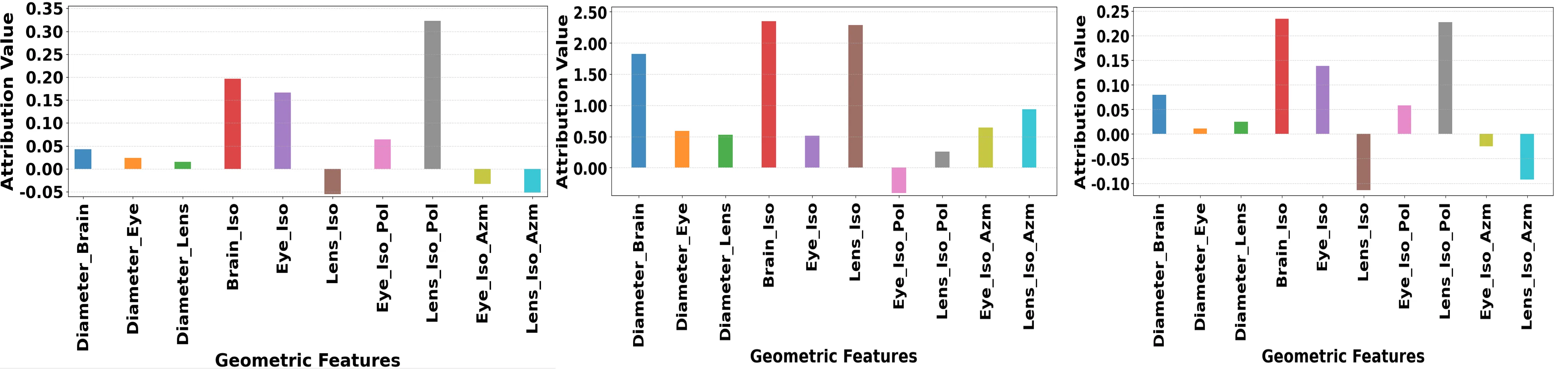
Whole-brain radiotherapy (WBRT) is a common treatment due to its simplicity and effectiveness. While automated Field-in-Field (Auto-FiF) functions assist WBRT planning in modern treatment planning systems, it still requires manual approaches for optimal plan generation including patient-specific hyperparameters definition and plan refinement based on quality feedback. This study introduces an automated WBRT planning pipeline that integrates a deep learning (DL) Hyperparameter Prediction model for patient-specific parameter generation and a large-language model (LLM)-based conversational interface for interactive plan refinement. The Hyperparameter Prediction module was trained on 55 WBRT cases using geometric features of clinical target volume (CTV) and organs at risk (OARs) to determine optimal Auto-FiF settings in RayStation treatment planning system. Plans were generated under predicted hyperparameters. For cases in which the generated plan was suboptimal, quality feedback via voice input was captured by a Conversation module, transcribed using Whisper, and interpreted by GPT-4o to adjust planning settings. Plan quality was evaluated in 15 independent cases using clinical metrics and expert review, and model explainability was supported through analysis of feature importance. Fourteen of 15 DL-generated plans were clinically acceptable. Normalized to identical CTV D95% as the clinical plans, the DL-generated and clinical plans showed no statistically significant differences in doses to the eyes, lenses, or CTV dose metrics D1% and D99%. The DL-based planning required under 1 minute of computation and achieved total workflow execution in approximately 7 minutes with a single mouse click, compared to 15 minutes for manual planning. In cases requiring adjustment, the Conversational module successfully improved dose conformity and hotspot reduction.
تختار الشبكة العصبية الإعدادات أسرع من غليان الغلاية: أقل من دقيقة واحدة، بينما يحتاج الإنسان إلى حوالي 15 دقيقة.