فاصل-مصيدة لبطاريات الكبريت سريع
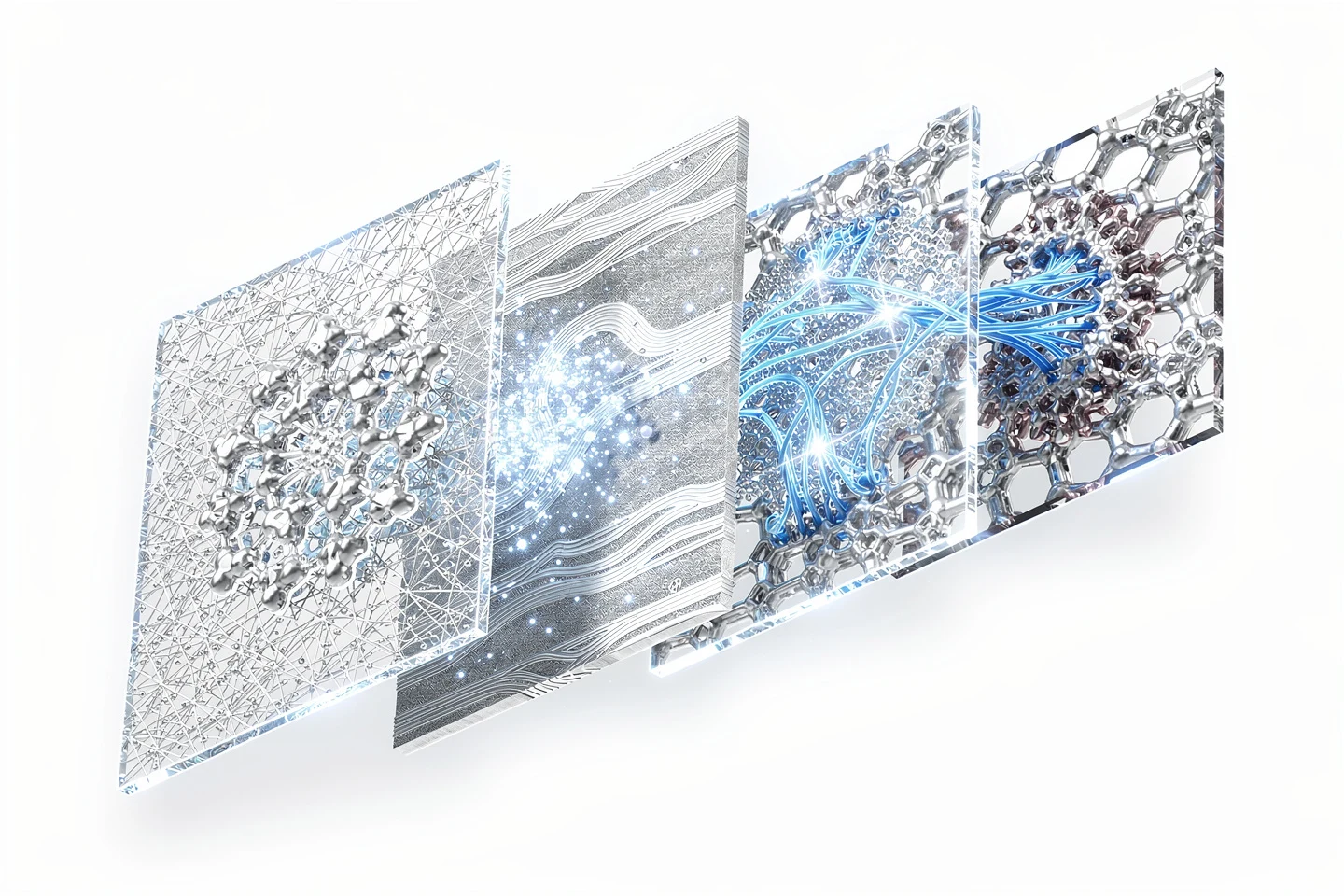
في بطارية الليثيوم-الكبريت، يميل الكبريت إلى الذوبان والانتقال إلى القطب الآخر، فتفقد البطارية شحنتها خلال عشرات الدورات. لاحتواء هذا الهروب، يوضع غشاء فاصل بين القطبين. الغشاء البولي إيثيليني العادي يسمح بمرور أيونات الليثيوم، لكن جزيئات الكبريت تتسلل معها أيضًا.
الباحثون كسوا هذا الغشاء بطبقات رقيقة: النيكل والكوبالت وسيراميك LAGP الذي يوصل أيونات الليثيوم، مثل ممر للرسل. طُبقت الطلاءات بالرش بحزمة أيونية، كالطلاء بالرش من علبة، لكن بجسيمات بحجم الذرات. ثم اختبروا في خلية ذات إلكتروليت سائل مدى قدرة الغشاء على احتجاز الكبريت.
أفضل نتيجة كانت مع شطيرة من السيراميك والكوبالت: فقد احتجزت جزيئات الكبريت ولم تتحلل بمرور الوقت. أما النيكل وحده فسرعان ما تراجع، ربما بسبب تفاعلات جانبية أو تقشر. وإدراج النيكل مباشرة في البولي إيثيلين لم يغير شيئًا تقريبًا.
الغشاء المغطى بالسيراميك والكوبالت يعمل كبوابة دوارة تسمح فقط لأيونات الليثيوم بالمرور وتحجب الكبريت. هذا يطيل عمر البطارية ويقربها من الإنتاج الضخم.
الملخص الأصلي
كما كتبه المؤلفون، بالإنجليزية arXiv:2601.16544
The large - scale commercialization of promising lithium - sulfur (Li - S) batteries remains limited by the polysulfide shuttle effect, which causes rapid capacity fading and poor cycle life. In this study, we present a scalable strategy to mitigate this challenge by modifying polyethylene (PE) separators with ferromagnetic and solid - state ionic coatings. Thin films of nickel (Ni), cobalt (Co), and the Li - ion - conducting ceramic Li1.5Al0.5Ge1.5(PO4)3 (LAGP) were deposited via ion beam sputtering, while Ni ion implantation was also employed to modify the PE substrate. The electrochemical performance of pristine and modified separators was evaluated using electrochemical impedance spectroscopy (EIS) and staircase voltammetry (SV) in liquid electrolyte within H - cell configurations. Surface morphology and elemental composition were characterized by scanning electron microscopy (SEM) and Rutherford backscattering spectroscopy (RBS). The results show that LAGP-based coatings significantly enhance separator stability and effectively suppress polysulfide diffusion, leading to lower redox peak intensities and improved cycling performance. In contrast, Ni coatings exhibited poor long - term stability, likely due to parasitic reactions or delamination during its life time. The combined LAGP/Co architecture provided the most effective suppression of the polysulfide shuttle, attributed to synergistic ionic and catalytic effects that promote interfacial stability and selective ion transport. Ni implantation into PE showed only a negligible effect. This study highlights the potential of integrating solid ionic conductors with ferromagnetic layers to design multifunctional separators for high-performance Li - S batteries.
الكبريت من أرخص مواد البطاريات: فهو متوفر بكثرة في مخلفات تكرير النفط، وثنائي الليثيوم-الكبريت نظريًا يخزن طاقة أكبر بعدة مرات لكل كيلوغرام مقارنة ببطارية الليثيوم أيون العادية.