القلب بالكفاف: كيف يعيد الذكاء الاصطناعي بناء الشكل ثلاثي الأبعاد سريع
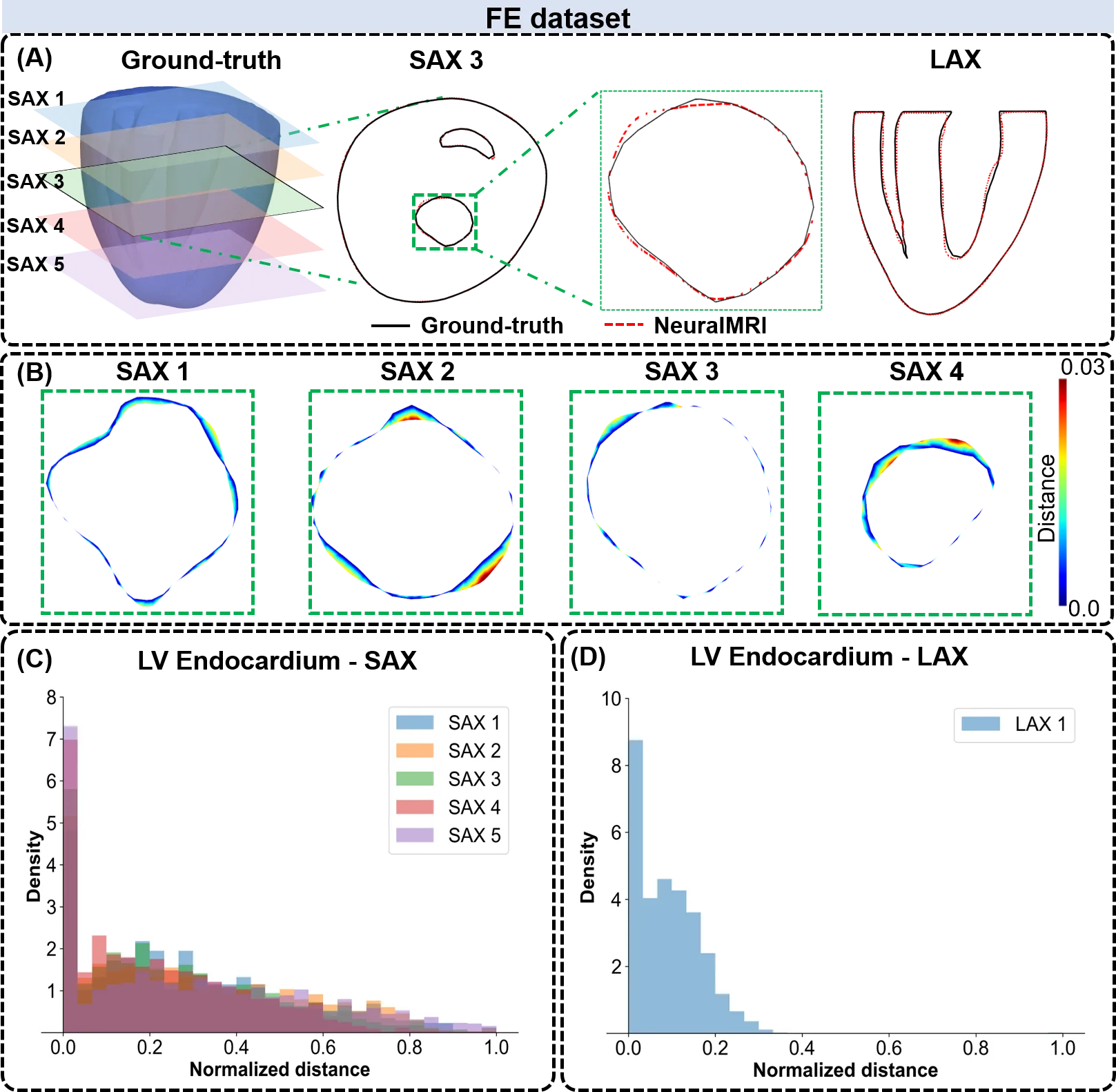
القلب ليس كرة مثالية، بل يتغير شكله من نبضة إلى أخرى. لبناء نسخة ثلاثية الأبعاد دقيقة لنموذج حاسوبي، عادةً ما يتم التقاط عشرات الشرائح باستخدام جهاز التصوير بالرنين المغناطيسي. لكن هذا يشبه تجميع بطيخة من شرائح رفيعة: كلما قل عدد الشرائح، زادت التخمينات.
النهج الجديد يعلم الشبكة العصبية فهم شكل القلب من ملامح نادرة. يشبه ذلك كيف يعيد النحات بناء تمثال من عدة رسومات سريعة من زوايا مختلفة. بدلاً من القواعد الصارمة للاستيفاء (رسم خطوط بين النقاط)، تتذكر الشبكة كيف تبدو القلوب السليمة والمريضة، و"ترسم" ما هو مفقود. في الاختبارات على النماذج الحاسوبية والصور الحقيقية، أعادت الطريقة إنتاج الشكل بدقة أكبر، خاصة عند قمة القلب - المكان الذي تخطئ فيه الخوارزميات التقليدية غالبًا.
هذا إعادة البناء هي الخطوة الأولى نحو توأم رقمي للقلب: نسخة افتراضية يمكن من خلالها اختبار الأدوية أو العمليات الجراحية قبل التدخل الفعلي. يستخدم العلماء بالفعل أساليب مماثلة للتصوير بالرنين المغناطيسي للحيوانات الصغيرة، حيث تكون كل صورة ذات قيمة كبيرة.
الملخص الأصلي
كما كتبه المؤلفون، بالإنجليزية arXiv:2603.27003
Computational models of cardiac structure and function are increasingly central to the development of subject-specific cardiac digital twins, enabling improved characterization of contractile dysfunction, pathological remodeling, and electrical abnormalities. A critical prerequisite for these models is the accurate reconstruction of three-dimensional (3D) cardiac anatomy from medical imaging. Multi-planar magnetic resonance imaging, particularly when combined with artificial intelligence, offers a clinically feasible alternative to conventional reconstruction techniques. In this study, we present a neural field-based reconstruction framework that recovers 3D cardiac geometries from sparse planar contour data by learning continuous shape representations. Reconstruction performance was evaluated using complementary in-silico and in vivo datasets spanning variations in sampling density and geometric complexity. Across both datasets, reconstructed meshes closely matched reference geometries, demonstrating that the neural field approach faithfully captures cardiac planar contours. Compared with traditional local interpolation methods, the proposed framework exhibited improved geometric fidelity in anatomically challenging regions, including the left ventricular apex and basal segments, particularly under sparse sampling conditions. Collectively, these findings demonstrate that neural field-based reconstruction provides a robust and efficient pathway for multi-planar cardiac shape recovery, with particular relevance for AI-driven modeling pipelines and data-limited settings such as small-animal and time-resolved cardiac imaging.
قمة البطين الأيسر هي واحدة من أصعب الأماكن لإعادة البناء ثلاثي الأبعاد: فهي مدببة وتتحرك كثيرًا مع كل انقباض.