بلورات أكثر سطوعًا: كيف نلتقط المادة المظلمة سريع
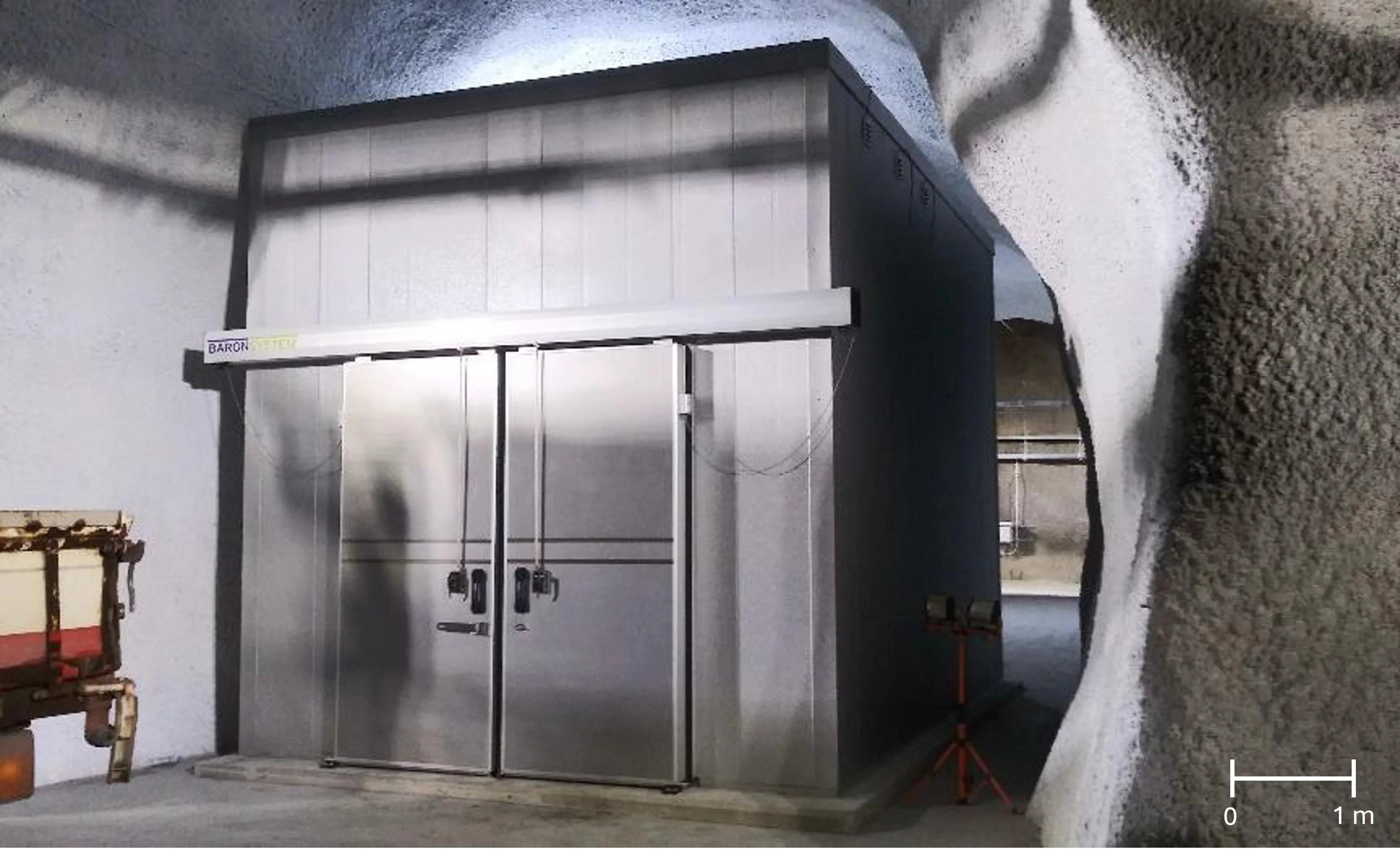
المادة المظلمة لا تُصدر ضوءًا ولا تعكسه، لكن وجودها يكشف عن طريق تأثيرات الجاذبية. لالتقاط ولو جسيم واحد، يبني الفيزيائيون كواشف تشبه غرفًا هادئة جدًا: في داخلها بلورات تتوهج عندما يصطدم بها جسيم. لكن التوهج ضعيف، وإذا فقد الضوء في الطريق، قد لا نلاحظ الإشارة.
في منشأة COSINE-100U، تعلّمت بلورات يوديد الصوديوم جمع الضوء بشكل أفضل. سابقًا، كانت بين البلورة والمضاعِف الضوئي — الجهاز الذي يحول الضوء إلى إشارة كهربائية — نوافذ كوارتز. كان الضوء يمر عبر عدة حدود وينعكس جزئيًا. الآن أُزيلت النوافذ، وثُبّتت المضاعِفات الضوئية مباشرة على أطراف البلورات عبر حشوات سيليكون رقيقة بسمك 2 مليمتر. كما شُطفت حواف البلورات الكبيرة بحيث يتدفق الضوء نحو المستشعرات كما في ميزاب. ونتيجة لذلك، أصبحت جميع البلورات الثمانية تعطي ضوءًا أكثر — حتى 27.7 إلكترونًا ضوئيًا لكل كيلوإلكترون فولت، بينما كان سابقًا حوالي 15.
هذا ليس مجرد ترف تقني. كلما كان التوهج أكثر سطوعًا، كان من الأسهل تمييز الإشارة الحقيقية للمادة المظلمة عن الضوضاء العشوائية. بالإضافة إلى ذلك، قلل التصميم الجديد من الخلفية الناتجة عن التلوث الإشعاعي على سطح البلورات. بلورتان كانتا سابقًا غير صالحتين للتحليل بسبب ضعف الضوء، عادتا الآن إلى الخدمة. أظهرت الفحوصات أن التغليف الجديد لا يخاف من الغمر الطويل في الومّاض السائل عند درجة حرارة منخفضة — وهذه ظروف قاسية في المختبر تحت الأرض.
وهكذا يستعد الكاشف المُحدَّث للاختبار الرئيسي. لسنوات عديدة، أبلغت مجموعة DAMA/LIBRA عن تذبذبات موسمية غامضة في الإشارة يمكن تفسيرها بالمادة المظلمة. COSINE-100U ببلوراته الأكثر سطوعًا ونقاءً سيتمكن أخيرًا من تأكيد أو دحض هذه الملاحظة.
الملخص الأصلي
كما كتبه المؤلفون، بالإنجليزية arXiv:2608.11678v1
The COSINE-100 experiment was designed to test the DAMA/LIBRA annual-modulation claim using low-background NaI(Tl) detectors. For the COSINE-100U upgrade, we developed a new crystal-encapsulation system to increase light-collection efficiency while preserving long-term detector stability, thereby improving sensitivity to low-mass dark matter. The upgraded design eliminates the quartz optical windows used in COSINE-100 and directly couples the photomultiplier tubes (PMTs) to the crystal end faces through 2-mm-thick silicone optical pads, thereby reducing the number of optical interfaces. For the larger crystals, the crystal edges were beveled to guide scintillation light more efficiently onto 3-inch high-quantum-efficiency PMTs. The performance study uses 2462~h (102.6~days) of room-temperature COSINE-100U data and, for direct background comparisons, reference COSINE-100 data acquired near the end of operation. 698~h (29.1~days) of COSINE-100 data acquired near the end of operation in March 2023. All eight crystals showed higher light yields than in COSINE-100, with values ranging from 15.8 to 27.7~p.e./keV; six crystals exceeded 20~p.e./keV. The measured bulk-$$\alpha$$ rates were lower than the COSINE-100 values and consistent with the expected time evolution of internal $$^{210}$$Pb, while the 1--2-MeV surface-$$\alpha$$ rates were substantially reduced. The upgrade also restored two crystals that had previously been excluded from the COSINE-100 physics analysis because of poor optical performance. Independent validation tests demonstrated that the encapsulation remains mechanically robust and optically stable during long-term immersion in liquid scintillator at low temperature. This paper presents the encapsulation design, the room-temperature detector performance, and the reduction in surface-related backgrounds achieved at the Yemilab facility.
بلورات يوديد الصوديوم تتوهج ليس فقط من المادة المظلمة، بل أيضًا من الإشعاع العادي — لذلك تُزرع في ظروف فائقة النقاء، ويُخفى الكاشف في أعماق الأرض.