كيف يتمزق الوتر من الداخل سريع
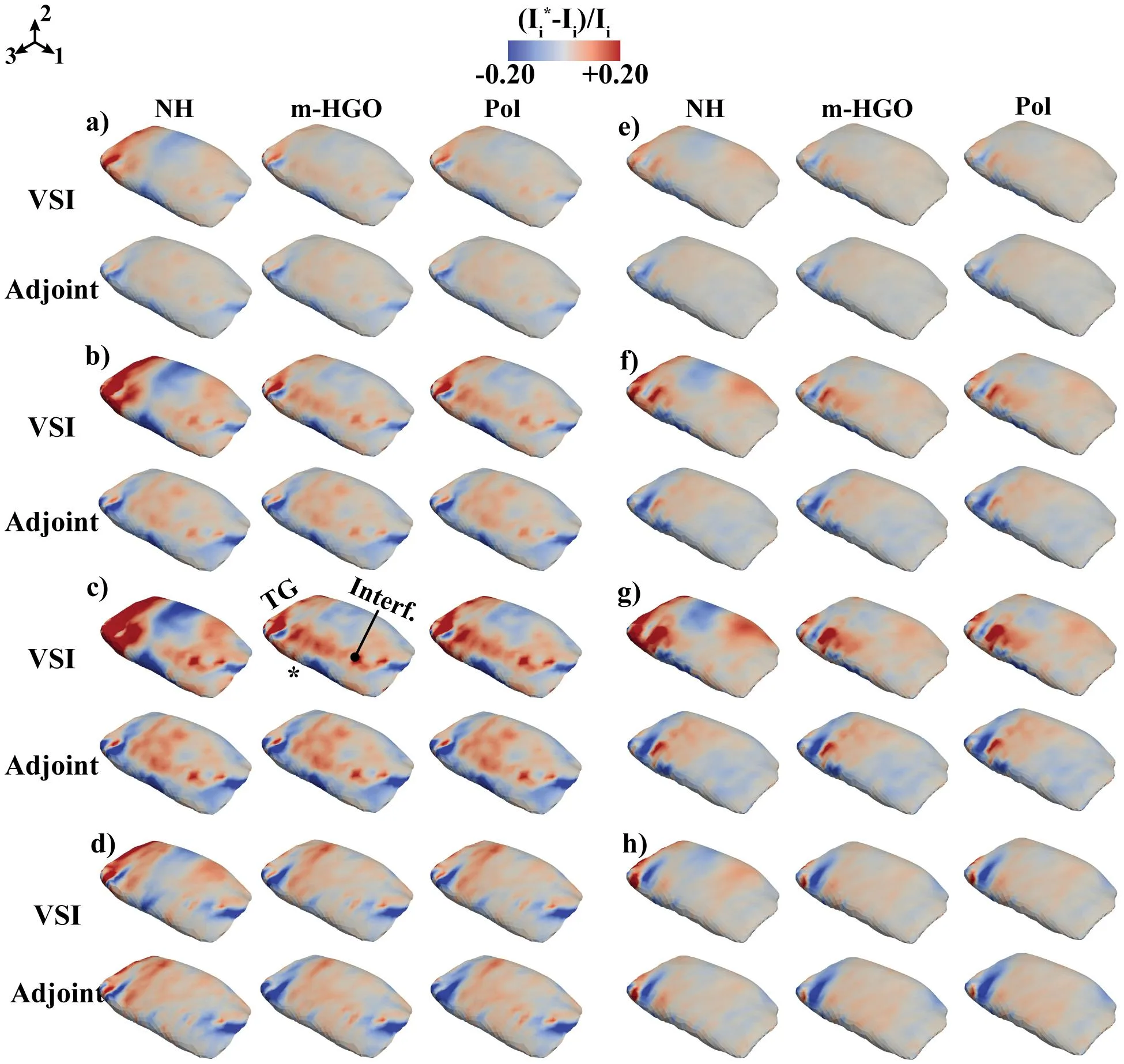
الوتر في الكتف يشبه الحبل الذي يمسك الذراع ويتيح لها الدوران. عندما يصاب هذا الحبل، يتغير بنيته الداخلية ويبدأ في التمدد بشكل مختلف. في هذه الدراسة، أخذوا وتر العضلة فوق الشوكة (supraspinatus) لفأر وشدوه على طول الألياف، وسجلوا في الوقت نفسه كيف يتحرك كل نقطة داخله. النتيجة كانت صورة ثلاثية الأبعاد كاملة للتشوهات — للوتر السليم وللوتر المتضرر.
ثم طرح السؤال: كيف نصف هذا السلوك بالمعادلات؟ اختبر العلماء ثلاثة نماذج بدرجات تعقيد مختلفة. الأول، الأبسط، اعتبر النسيج مطاطًا متجانسًا. الثاني، الأكثر دهاءً، أخذ في الاعتبار أن الوتر يحتوي على ألياف تقاوم التمدد بشكل مختلف على طولها وعرضها. الثالث — أبسط من الثاني، لكن مع إضافة تصف القص (shear). اتضح أن النموذج الأبسط يفشل: فهو لا يرى كيف يبدأ الوتر المتضرر في الانزلاق داخليًا. أما النموذجان الأوسط والمبسط فقد تعاملا مع الأمر بشكل جيد بنفس القدر، رغم أن أحدهما يستخدم معاملات أكثر.
لماذا هذا مهم؟ إذا تعلمنا التنبؤ بدقة كيف سيتصرف الوتر بعد الإصابة أو الجراحة، سيتمكن الأطباء من اختيار العلاج بشكل فردي. حتى الآن، لا يوجد نموذج يعيد إنتاج كل التفاصيل الدقيقة، لكن حتى النسخة المبسطة تلتقط الاتجاهات الرئيسية. هذا مثل خريطة تقريبية للتضاريس: لا يمكنك تتبع كل حجر بها، لكنها تشير إلى الاتجاه الصحيح.
الوتر المتضرر يشبه حبلًا تآكلت بعض خيوطه: عند الشد، تبدأ الألياف المتبقية في الانزلاق والتحرك أكثر من تلك الموجودة في حبل سليم. هذا الانزلاق تحديدًا هو ما تبين أنه أساسي — لا يلتقطه النموذج الأبسط، لكن النماذج الأكثر واقعية ترصده.
الملخص الأصلي
كما كتبه المؤلفون، بالإنجليزية arXiv:2601.09660
In this work, we characterized the material properties of an animal model of the rotator cuff tendon using full volume datasets of both its intact and injured states by capturing internal strain behavior throughout the tendon. Our experimental setup, involving tension along the fiber direction, activated volumetric, tensile, and shear mechanisms due to the tendon's complex geometry. We implemented an approach to model inference that we refer to as variational system identification (VSI) to solve the weak form of the stress equilibrium equation using these full volume displacements. Three constitutive models were used for parameter inference: a neo-Hookean model, a modified Holzapfel-Gasser-Ogden (HGO) model with higher-order terms in the first and second invariants, and a reduced polynomial model consisting of terms based on the first, second, and fiber-related invariants. Inferred parameters were further refined using an adjoint-based partial differential equation (PDE)-constrained optimization framework. Our results show that the modified HGO model captures the tendon's deformation mechanisms with reasonable accuracy, while the neo-Hookean model fails to reproduce key internal features, particularly the shear behavior in the injured tendon. Surprisingly, the simplified polynomial model performed comparably to the modified HGO formulation using only three terms. These findings suggest that while current constitutive models do not fully replicate the complex internal mechanics of the tendon, they are capable of capturing key trends in both intact and damaged tissue, using a homogeneous modeling approach. Continued model development is needed to bridge this gap and enable clinical-grade, predictive simulations of tendon injury and repair.
وتر العضلة فوق الشوكة هو من أكثر الأوتار إصابة لدى البشر: فهو مسؤول عن ما يصل إلى نصف حالات آلام الكتف.