البروتين والدواء: كيف نسرّع البحث 26 مرة سريع
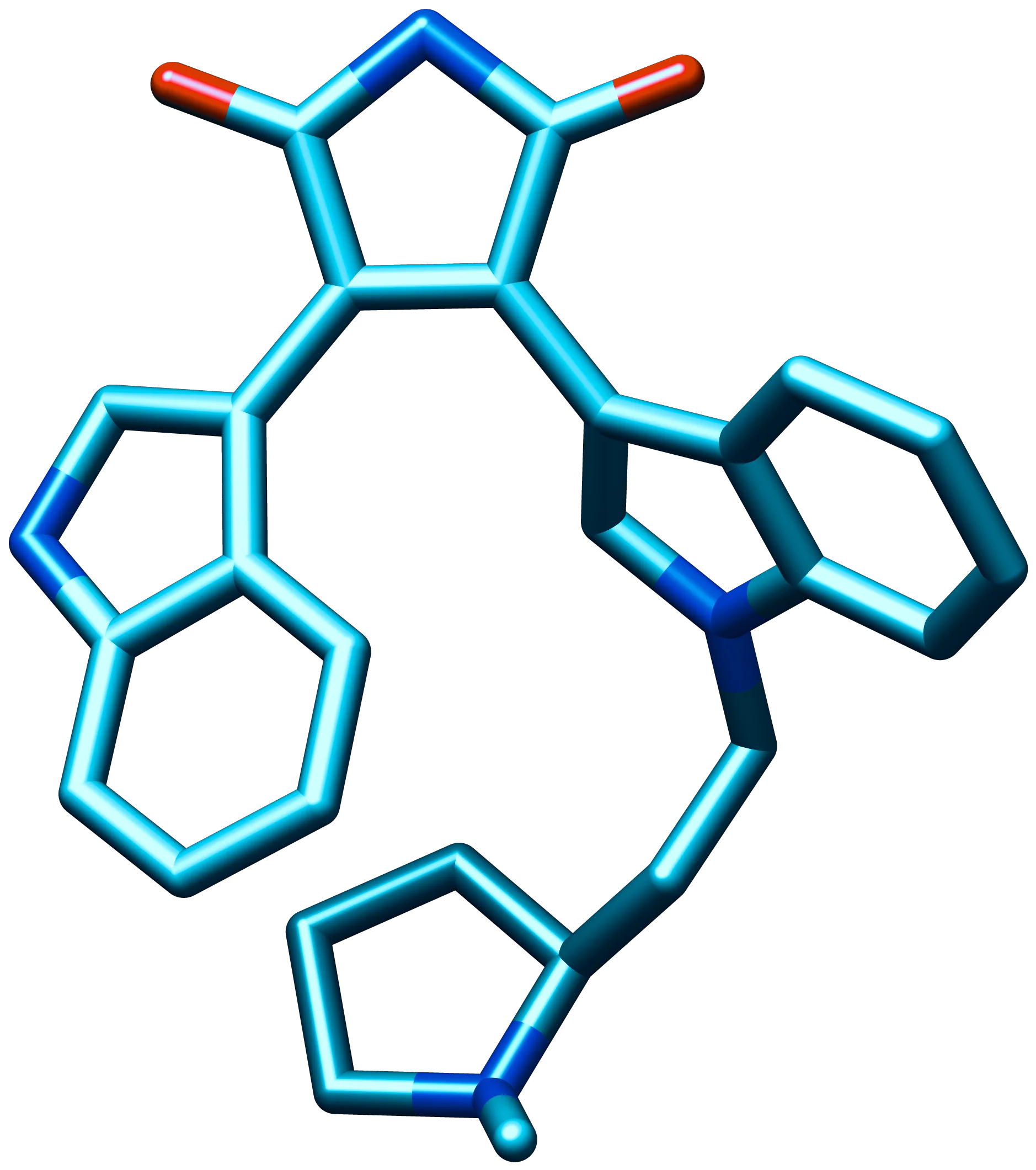
البحث عن دواء جديد يشبه البحث عن مفتاح مناسب لقفل. البروتين في الخلية هو القفل، والجزيء المرشح هو المفتاح. نحتاج إلى معرفة ما إذا كان المفتاح مناسبًا ومدى إحكام جلوسه. في السابق، كان الكمبيوتر يفحص كل ذرة في القفل والمفتاح للتحقق من ذلك. كان فحص قفل واحد يستغرق ساعات بل وأيامًا. وكان فحص ملايين المفاتيح أمرًا غير واقعي.
يغيّر TerraBind النهج المتبع. فبدلاً من جميع الذرات، ينظر فقط إلى النقاط المرجعية: في البروتين، إلى ذرات الكربون ألفا (وهي مثل أضلاع التقوية في الهيكل)، وفي الجزيء، إلى الذرات الثقيلة (بدون الهيدروجين). يحافظ هذا "الهيكل العظمي" التقريبي على الشكل، لكنه يقلل بشكل كبير من حجم الحسابات. ونتيجة لذلك، تزداد السرعة 26 مرة، وتكون الدقة أعلى قليلاً أيضًا — أفضل بنسبة 20 بالمائة من النماذج السابقة الرائدة.
التقييم السريع والدقيق لقوة الارتباط هو العنصر الأساسي في اختيار الأدوية. الآن يمكن فحص عدد أكبر بكثير من المركبات بنفس التكلفة والوقت. كما يمكن للبرنامج أن يخبرنا بمدى ثقته في توقعه. وهذا يساعد في عدم إهدار الموارد على الخيارات المشكوك فيها والعثور بشكل أسرع على الجزيئات الفعالة حقًا.
الملخص الأصلي
كما كتبه المؤلفون، بالإنجليزية arXiv:2602.07735
We present TerraBind, a foundation model for protein-ligand structure and binding affinity prediction that achieves 26-fold faster inference than state-of-the-art methods while improving affinity prediction accuracy by $$\sim$$20\%. Current deep learning approaches to structure-based drug design rely on expensive all-atom diffusion to generate 3D coordinates, creating inference bottlenecks that render large-scale compound screening computationally intractable. We challenge this paradigm with a critical hypothesis: full all-atom resolution is unnecessary for accurate small molecule pose and binding affinity prediction. TerraBind tests this hypothesis through a coarse pocket-level representation (protein C$$_\beta$$ atoms and ligand heavy atoms only) within a multimodal architecture combining COATI-3 molecular encodings and ESM-2 protein embeddings that learns rich structural representations, which are used in a diffusion-free optimization module for pose generation and a binding affinity likelihood prediction module. On structure prediction benchmarks (FoldBench, PoseBusters, Runs N' Poses), TerraBind matches diffusion-based baselines in ligand pose accuracy. Crucially, TerraBind outperforms Boltz-2 by $$\sim$$20\% in Pearson correlation for binding affinity prediction on both a public benchmark (CASP16) and a diverse proprietary dataset (18 biochemical/cell assays). We show that the affinity prediction module also provides well-calibrated affinity uncertainty estimates, addressing a critical gap in reliable compound prioritization for drug discovery. Furthermore, this module enables a continual learning framework and a hedged batch selection strategy that, in simulated drug discovery cycles, achieves 6$$\times$$ greater affinity improvement of selected molecules over greedy-based approaches.
يستخدم TerraBind 4 نقاط مرجعية فقط لكل حمض أميني في البروتين بدلاً من 10-20 ذرة — كما لو كان الرسام يرسم صورة شخصية باستخدام العينين والأنف فقط، لكنه يخمن الوجه بالكامل.