كيف يعاود الورم النمو بعد الصدمة الكهربائية سريع
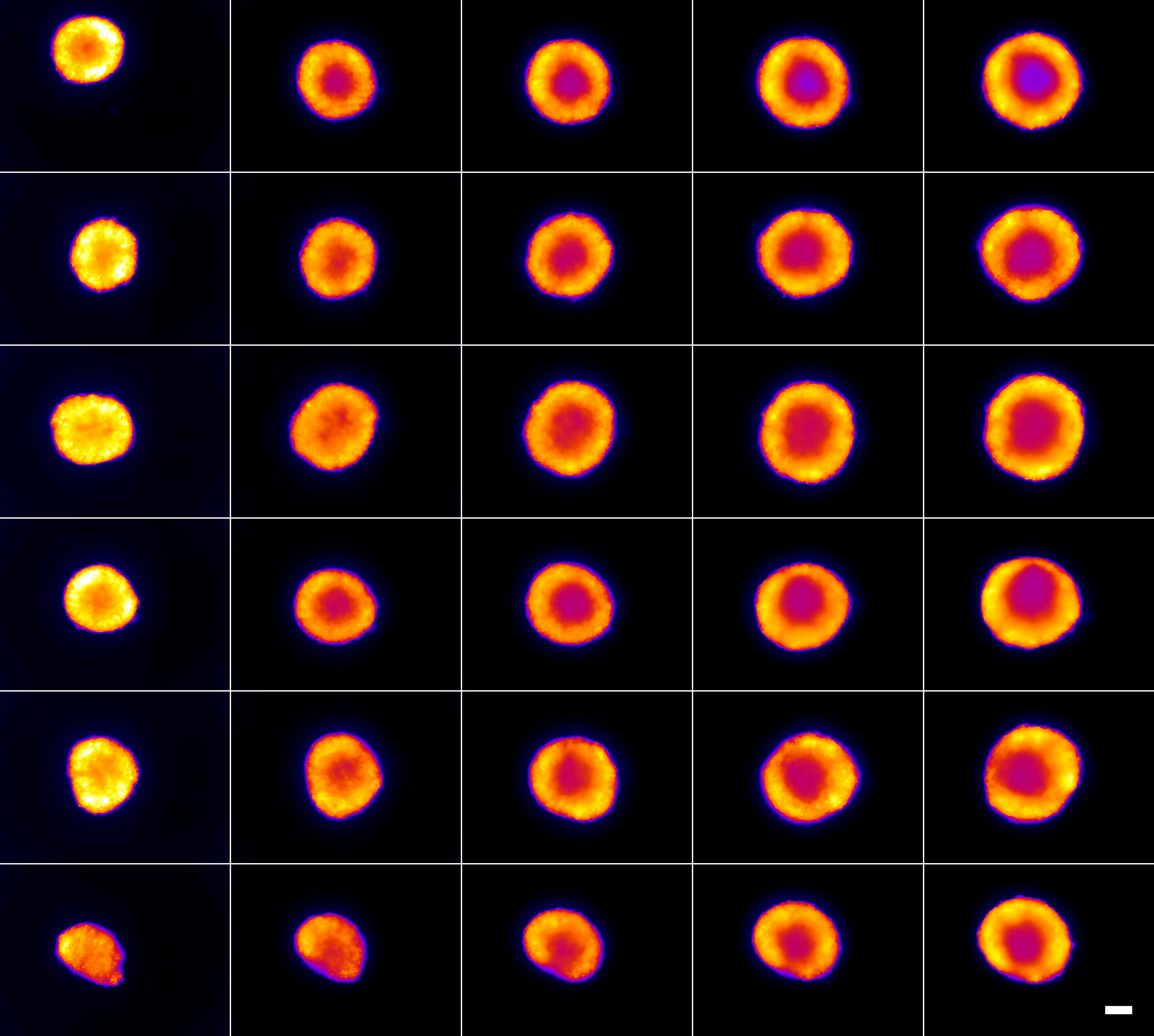
ضربت صاعقة عش النمل. يموت بعض النمل فورًا، ويتجمد البعض الآخر، وبعد أيام يبدأ الناجون في إعادة بناء الممرات. هذا تقريبًا ما يفعله الورم بعد الاستشراب الكهربائي — وهي طريقة يتم فيها تمرير تفريغات كهربائية قصيرة عبر الأنسجة لإحداث ثقوب في أغشية الخلايا السرطانية وقتلها.
في المختبر، تمت زراعة كرات من خلايا الورم — وهي عبارة عن كريات ثلاثية الأبعاد (spheroids) تشبه الورم الحقيقي أكثر من طبقة مسطحة في طبق. تم ضربها بتفريغات متفاوتة الشدة ومراقبة ما يحدث. بعد التفريغات الضعيفة، نجا الكثير من الخلايا، ونمت الكرة بسرعة. بعد التفريغات القوية، ماتت جميع الخلايا تقريبًا، وأطلقت الناجيات جزيئات إشارة إلى الخارج: ATP وHMGB1. هذه الجزيئات هي بمثابة صرخة استغاثة يمكن أن توقظ الجهاز المناعي وتدفعه لإنهاء ما تبقى من الورم.
لكن الأمر ليس بهذه البساطة. بين خلايا الورم توجد خلايا "نائمة" — وهي تلك التي توقفت مؤقتًا عن الانقسام. بعضها يقتله التفريغ، مما يحرر مساحة وموارد. والبعض الآخر ينجو، وبعد حصوله على مساحة حرة، يبدأ في التكاثر مرة أخرى. لذلك، بعد الإجراء، قد يعود الورم.
بنى العلماء نموذجًا حاسوبيًا يحاكي سلوك الكرة بعد التفريغ. أظهر النموذج أن مصير الورم يعتمد على شدة التفريغ وعدد الخلايا النائمة التي نجت. إذا لم يأخذ العلاج هذه "الهادئات" في الاعتبار، فقد تلغي التأثير كله.
لذا، فإن الصدمة الكهربائية للورم ليست مجرد كي. إنها حوار معقد مع الخلايا، حيث من المهم ليس فقط القتل، ولكن أيضًا إيقاظ المناعة بشكل صحيح ومنع الناجين من بدء البناء مرة أخرى.
الملخص الأصلي
كما كتبه المؤلفون، بالإنجليزية arXiv:2603.06087
Electroporation is increasingly used as a percutaneous ablation technique for tumours located near vital structures. Although effective, tumour regrowth may still occur. At the same time, in vitro studies on cell monolayers have shown that electroporation can trigger immunogenic cell death (ICD) through the release of damage-associated molecular patterns (DAMPs). These molecules can stimulate the immune system and could counteract tumour regrowth. To fully exploit electroporation, two key questions must be addressed: (1) what dynamics drive tumour regrowth, and (2) how ICD unfolds in space and time within three-dimensional cellular structures, which better mimic in vivo conditions than 2D cultures. Here, we combine in vitro experiments with a hybrid individual-based/continuous computational model to explore tumour spheroid regrowth and ICD potential under different pulse intensities. Experiments quantify spheroid viability, growth rate, and the release of ATP and HMGB1. In parallel, the hybrid model predicts the dynamics of proliferative, quiescent, and necrotic cells. Both approaches show that cell death and DAMP release scale with pulse intensity. The model, validated against experimental data, further highlights the dual role of quiescent cells: some die and free space and resources, while others survive and resume proliferation. Together, these findings demonstrate how spheroid fate depends on pulse strength and emphasize the importance of accounting for quiescent cells when designing electroporation-based therapies.
ATP هو جزيء تستخدمه الخلايا كبطارية لاحتياجاتها. ولكن عندما تموت الخلية وتطلق ATP إلى الخارج، يصبح إشارة خطر للجهاز المناعي.