البكتيريا تقرر بنفسها أين تعيش سريع
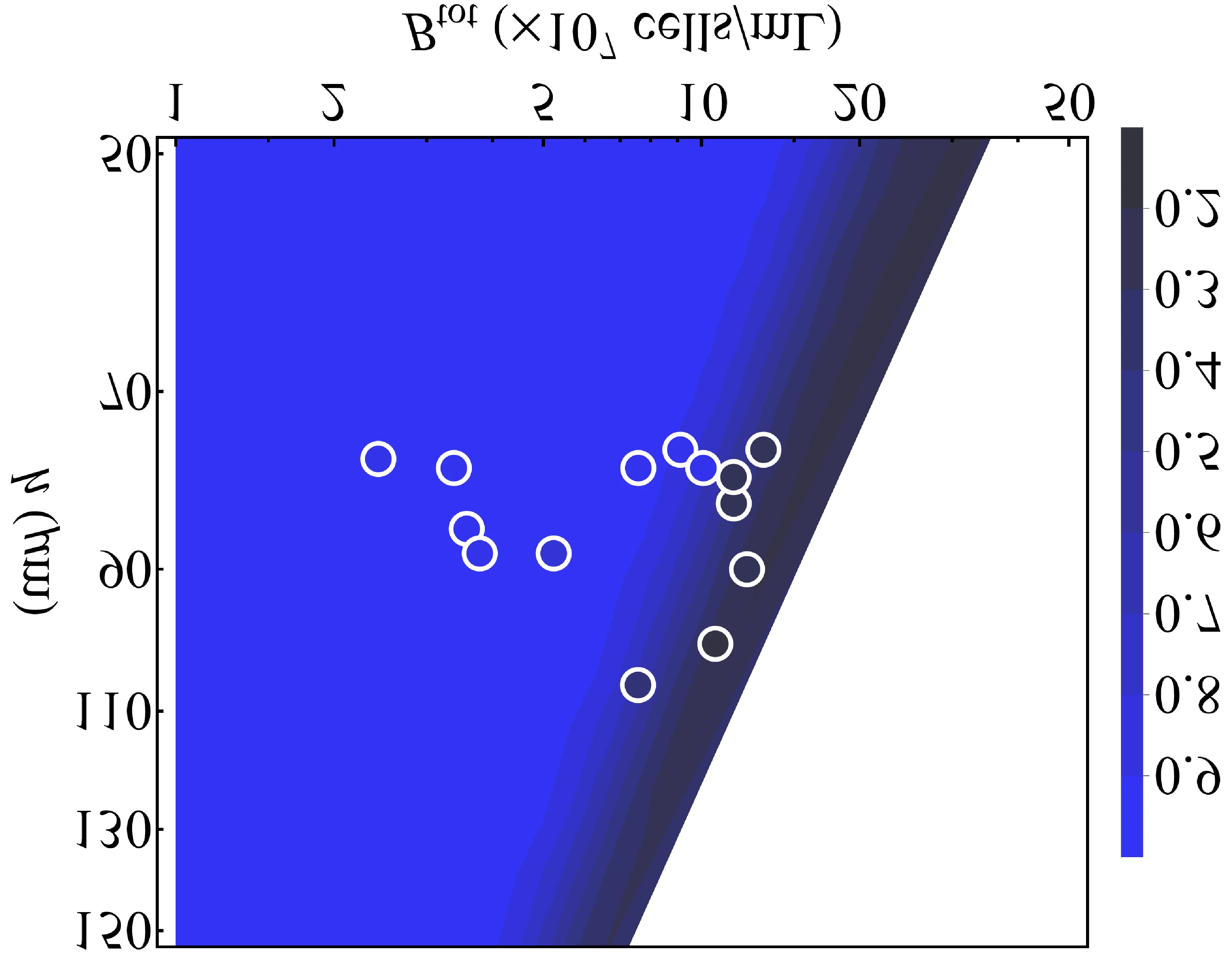
في غشاء مائي رقيق محصور بين لوحين زجاجيين، تعيش بكتيريا. يصلها الأكسجين عبر جدار واحد فقط، مثل الهواء الذي يدخل غرفة من نافذة وحيدة. عندما يكون عدد البكتيريا قليلاً، لا تكترث بهذا: فبعضها يلتصق بأحد الجدران، وبعضها بالآخر، ويكون المشهد متماثلاً. ولكن بمجرد أن تتكاثر، يتغير كل شيء.
السبب هو أن البكتيريا تتنفس، أي تستهلك الأكسجين. عندما تكون قليلة، يكفيها الأكسجين جميعاً، فتبقى هادئة عند الجدران. ولكن عندما يزداد عددها، تستهلك جماعياً الأكسجين من الماء، وعند الجدار الذي لا يوجد عنده أكسجين، يصبح الأكسجين شحيحاً جداً. عندها تبدأ البكتيريا، التي تشعر بالنقص، بالسباحة نحو الجدار المؤكسج — وفي النهاية تتجمع هناك تحديداً.
بنى العلماء نموذجاً رياضياً يأخذ في الاعتبار ثلاثة أمور: كيف تسبح البكتيريا نحو الأكسجين، وكيف تلتصق بالجدران، وكيف تتنفس. وقد أعاد النموذج إنتاج ما شوهد في التجربة بدقة. وهذا يساعد على فهم كيف تنظم البكتيريا نفسها في بيئات مختلفة — من التربة إلى أمعائنا.
الملخص الأصلي
كما كتبه المؤلفون، بالإنجليزية arXiv:2603.14532
We experimentally investigate how aerotactic bacteria, confined within a thin liquid film between two solid substrates, respond to a controlled oxygen gradient. We find that the total bacterial number density dictates which mechanism dominates the steady-state spatial distribution: wall accumulation or aerotaxis. At low densities, despite receiving oxygen only from one substrate, motile bacteria accumulate at both walls, forming a symmetric distribution. In contrast, pronounced aerotactic migration toward the oxygen-supplying wall emerges as the density increases. Analyzing the temporal evolution of this bacterial distribution reveals that the aerotactic response is driven by a self-generated oxygen gradient induced by collective respiration. Our diffusion-advection model of bacteria and oxygen, accounting for aerotactic migration, hydrodynamic attraction to the walls, and respiration, quantitatively reproduces our experimental observations and provides valuable insights into bacterial self-organization within complex environments.
تستطيع البكتيريا أن تستشعر فرق تركيز الأكسجين بنسبة بضعة في المئة فقط — وهذا كما لو أن إنساناً في غرفة مظلمة لاحظ أن أحد الزوايا أفتح قليلاً.