نار لا تُرى: كيف تبرد البلازما بالضوء سريع
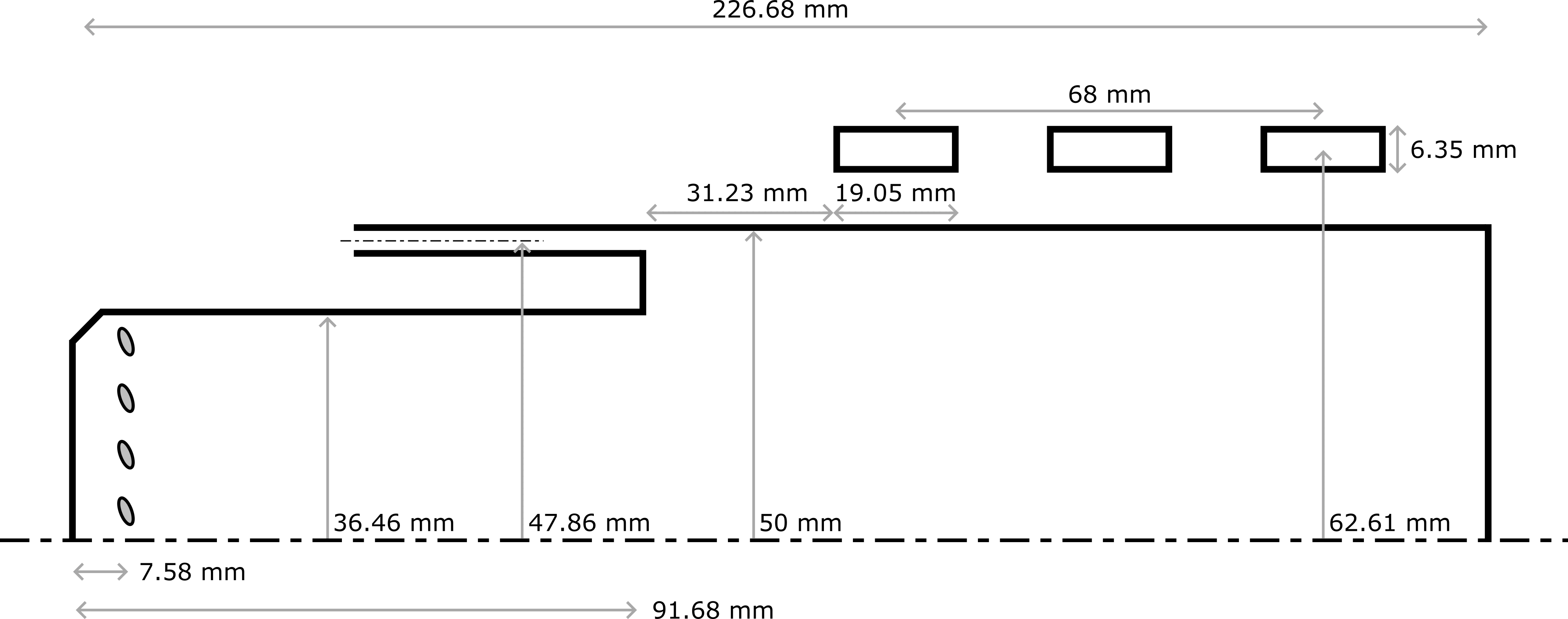
مجفف شعر قوي لا ينفخ هواءً دافئًا بل بلازما متوهجة بشدة — تسمى هذه المنشآت الأنفاق الهوائية البلازمية (plasma wind tunnels). تُستخدم لاختبار كيفية دخول المركبات الفضائية إلى الغلاف الجوي على الأرض. داخل النفق، يُسخَّن الغاز إلى آلاف الدرجات، وجزء من الطاقة لا يخرج مع تدفق الغاز ولا إلى الجدران، بل يطير ببساطة على شكل ضوء — كما يحدث من المصباح الكهربائي.
كان يُعتقد سابقًا أن هذا التوهج لا يؤثر تقريبًا على درجة حرارة البلازما، ولم يكن يُؤخذ في الحسبان في الحسابات. لكن في منشأة Plasmatron X (نفق بقدرة 350 كيلوواط في جامعة إلينوي) أُجريت محاكاة تفصيلية. اتضح أنه عند الضغط المنخفض — كما هو الحال في أعالي الجبال — يكون التبريد الضوئي غير ملحوظ حقًا. أما عندما يرتفع الضغط إلى الضغط الجوي العادي، تبدأ البلازما في البرودة بشدة. بالنسبة للنيتروجين، تصل خسائر الإشعاع إلى 32% من إجمالي الطاقة المدخلة — أي ما يقرب من ثلث الطاقة تختفي هباءً. أما بالنسبة للهواء، فهي أقل قليلًا، حوالي 22%، لأن الهواء يحتوي على جسيمات أقل تبعث الضوء بنشاط.
بني المهندسون خرائط تُظهر مقدار الطاقة المفقودة عند كل قدرة وضغط. هذه الخرائط بمثابة دليل للمشغل: يمكن رؤية أين يمكن تجاهل الإشعاع وأين يبرد البلازما فجأة ويغير الصورة بأكملها. كما تحققوا مما إذا كانت البلازما نفسها تمتص ضوءها. اتضح أنها لا تفعل ذلك تقريبًا — يظل النفق شفافًا للإشعاع. لذا، عند تصميم الحماية للمركبات الهابطة، يمكن الآن حساب كمية الحرارة التي ستصل إلى السطح بدقة أكبر.
الملخص الأصلي
كما كتبه المؤلفون، بالإنجليزية arXiv:2605.25060
High-power inductively coupled plasma (ICP) wind tunnels are widely used to reproduce high-enthalpy environments relevant to atmospheric entry and hypersonic testing. Despite their importance, radiative heat transfer in ICP facilities is commonly neglected or modeled using simplified optically thin assumptions, and the impact of non-equilibrium radiation on plasma dynamics remains poorly quantified. In this work, a loosely coupled, multi-physics framework is developed to systematically investigate radiative cooling effects in the 350 kW Plasmatron X facility at the University of Illinois Urbana-Champaign. The approach self-consistently couples a magnetohydrodynamic plasma framework with a spectral radiative transport solver, eliminating the need for optically thin or empirical models. Simulations are performed for nitrogen and air plasmas over a wide range of operating pressures (1-101 kPa) and powers (100-350 kW). The results reveal a strong pressure dependence of radiative losses, with radiation contributing negligibly at low pressures, but becoming a dominant energy sink at elevated pressures. At atmospheric pressure, radiative losses account for up to approximately 32% and 22% of the input power for nitrogen and air plasmas, respectively, leading to substantial reductions in core plasma temperatures. Nitrogen plasmas consistently exhibit higher radiative losses than air as a result of increased concentrations of radiatively active species and higher electron number densities. Pressure-power maps of radiative heat loss relative to input power are constructed to quantify combined operating effects and to provide guidance for facility operation and modeling fidelity. Finally, an assessment of self-absorption demonstrates that the Plasmatron X torch operates predominantly in an optically thin regime, even at the highest power and pressure conditions considered.
عند الضغط الجوي، يصدر كل سنتيمتر مكعب من بلازما النيتروجين ضوءًا بقدر مصباح متوهج بقدرة 100 واط.
في رواية «سولاريس» لستانيسلاف ليم، يصدر المحيط ضوءًا استجابةً للمؤثرات؛ البلازما في النفق أيضًا «تستجيب» للإشعاع عند التسخين، لكن وفق قوانين فيزيائية صارمة.