الوتر والضوء: كيف نضبط رقصتهما سريع
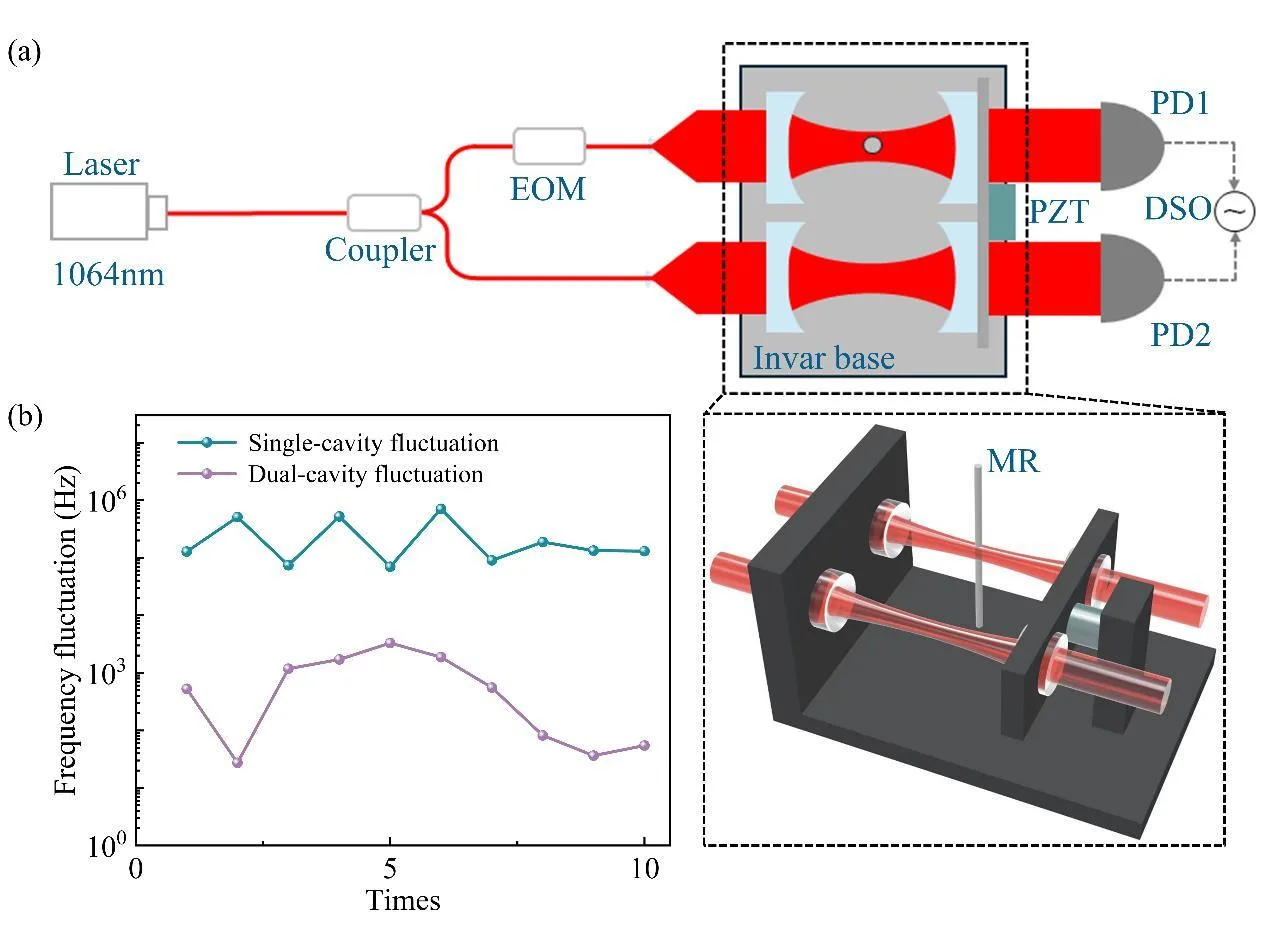
وتر غيتار مشدود بين مرآتين. شعاع ضوئي يتنقل بينهما، منعكسًا ذهابًا وإيابًا، والوتر يرتجف عند كل لمسة. أحيانًا يفقد الضوء طاقته — يأخذها الوتر ويبددها كحرارة، مثل صوت يخفت. وأحيانًا يغير الوتر درجة نغمة الضوء نفسه، مزحزحًا لونه، لكن دون إضعافه تقريبًا.
في العمل الجديد، جمع الفيزيائيون جهازًا يمكن فيه خلط هذين التأثيرين — فقدان الطاقة وإزاحة اللون — بشكل تدريجي. يكفي تحريك الوتر بالنسبة إلى بقعة الضوء. استخدم العلماء خيوطًا رفيعة للغاية من مواد مختلفة وغيّروا قطرها. عندما يكون الوتر في مركز حزمة الضوء تمامًا، يهيمن فقدان الطاقة. وإذا أزحته نحو الحافة، يبدأ إزاحة اللون بالسيطرة.
هذه الخدعة ليست مجرد تسلية. إنها تسمح باستكشاف القيود الكمومية لدقة القياسات والحالات الغريبة التي يتصرف فيها جسم ضخم مثل الوتر وفق قوانين العالم الصغير، وذلك على نفس الجهاز. سابقًا، كان يُبنى جهاز منفصل لكل نمط، أما الآن فيكفي إزاحة الوتر بجزء من المليمتر. آلة موسيقية واحدة يمكن أن تتحول عند الرغبة من كمان إلى طبل.
الملخص الأصلي
كما كتبه المؤلفون، بالإنجليزية arXiv:2606.10318
We demonstrate an optomechanical system with tunable dissipative and dispersive couplings using a Fabry-Perot cavity and a string mechanical resonator. By varying the diameter and material of the mechanical resonator, and the relative location between the mechanical resonator and the cavity, the relative strengths of dissipative and dispersive coupling could be tuned continuously from dissipation-dominated regime to dispersion-dominated regime. In our experiments, the dissipative-to-dispersive coupling ratios of 1.3 and 0.6 are achieved by using two different mechanical resonators, corresponding to a transition from dissipation-dominated to dispersion-dominated optomechanical system. Theoretically, the coupling ratio could be tuned from 25 to 0.02 by optimizing the mechanical resonator, spanning over three orders of magnitude. These two distinct coupling regimes are achieved with the same experimental platform. The capability to freely adjust the coupling ratio provides a versatile platform for exploring quantum effects of massive mechanical resonators and quantum-limited measurements.
في هذه التجارب، كان الوتر أنحف بعشرات المرات من شعرة الإنسان، وقِيست اهتزازاته بدقة تصل إلى أجزاء من الألف من النانومتر — تقريبًا كما لو لاحظنا أن برج إيفل ارتفع بسمك ورقة.
في رواية «سولاريس» لستانيسلاف ليم، يستجيب محيط الكوكب لوجود البشر بتغيير خصائصه الفيزيائية — يشبه إلى حد ما كيف يغير الوتر هنا سلوكه اعتمادًا على مكان سقوط الضوء.