Two Cell Types Move in Sync express
A colony of cells resembles a squad blazing a trail through unknown terrain. In living tissue, this role is often played by chemotaxis — movement along a gradient of a chemical that the cells themselves secrete. Earlier models described homogeneous groups, but in reality, different cell types interact.
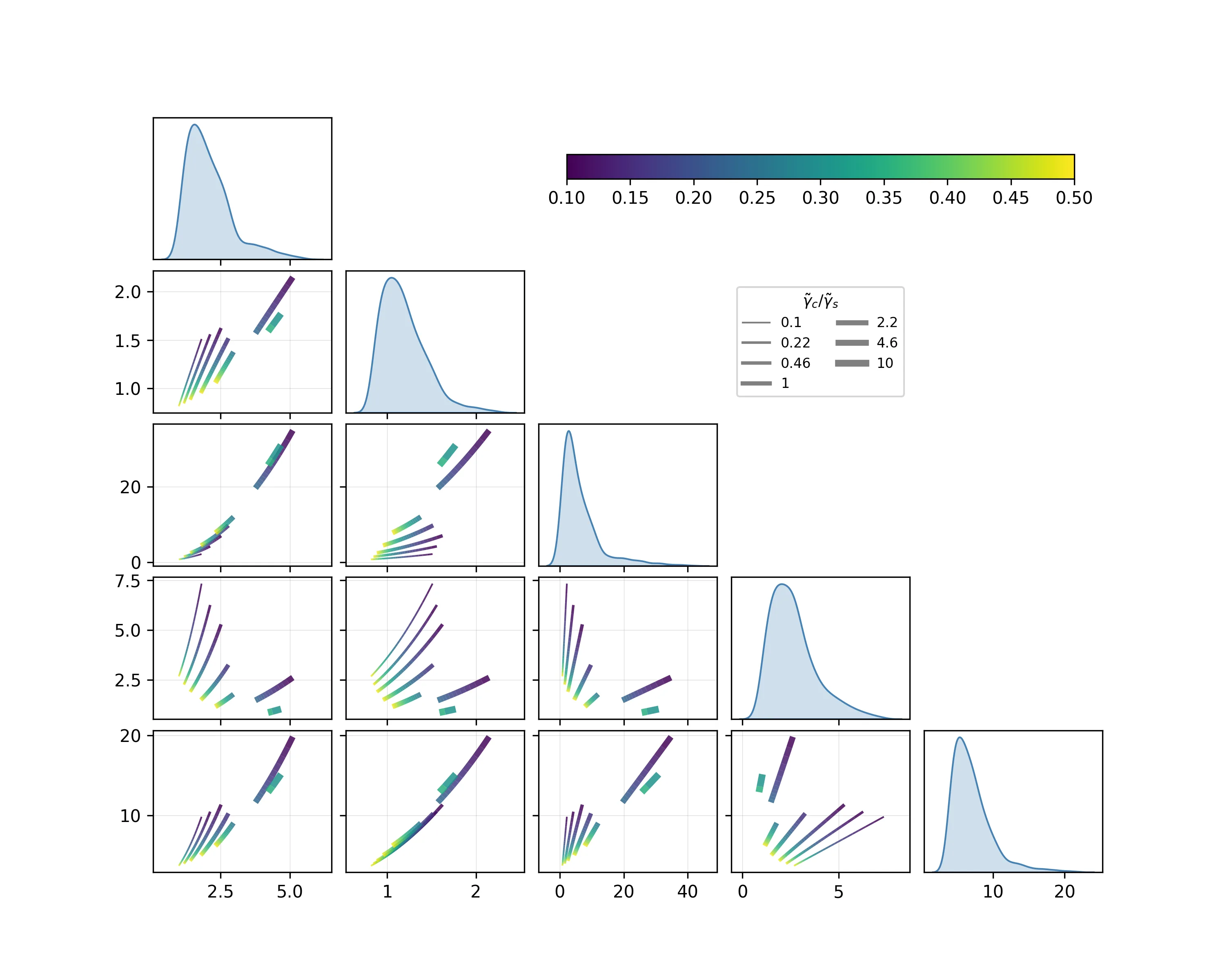
The authors generalized the self-generated chemotaxis model to the case of two cell populations and discovered an effect of "propagating terraces"—two coupled waves running at different speeds. Ahead goes a pure front of sensors, followed by a mixed front where consumers slow the motion. The speeds of these waves were expressed analytically in terms of model parameters and measurable quantities.
It turned out that heterogeneity helps sensors migrate farther: consumers, by destroying the signal, create a steeper gradient that propels the scouts. Consumers, on the other hand, benefit from moving in the company of their own kind: this way they are more efficient.
Consumer cells, by eating the chemical signal, inadvertently create a clearer "trail" for the scouts, along which they move faster.