كيف تصنع الخلية خصرًا لها سريع
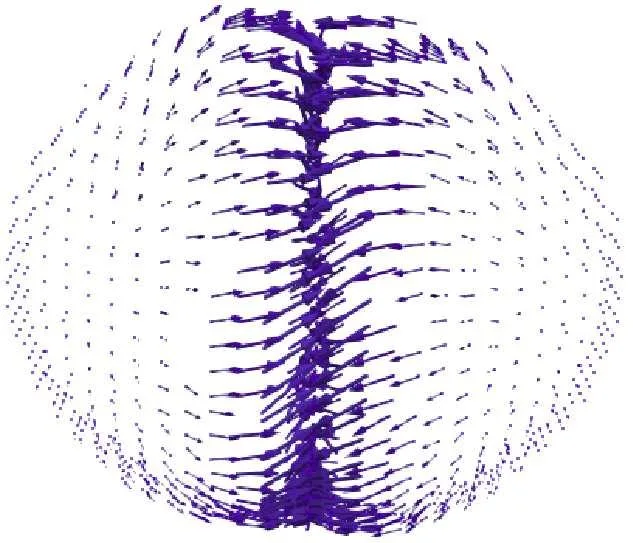
الخلية التي تستعد للانقسام ترسم لنفسها أولًا خطّ الخصر. تحت غشائها، في هلام رقيق من الخيوط البروتينية، يبدأ الحركة. تنساب الخيوط مثل نهر بطيء، ويتشكّل حزام في منتصف الخلية. يزداد انقباض هذا الحزام شيئًا فشيئًا حتى تنقسم الخلية إلى نصفين.
بنى العلماء نموذجًا حاسوبيًا لهذه العملية. لاحظوا أن حلقة الخيوط تنشأ تلقائيًا إذا كانت الخيوط موضوعة في البداية باتجاه واحد. حتى دون أي إشارة خارجية. أما إذا كانت الخيوط موضوعة بشكل عشوائي، فلا تتشكّل الحلقة. يبدو أن الخلية تتذكّر كيف كانت خيوطها مرتبة قبل الانقسام.
تساعد هذه النتيجة في فهم سبب حدوث أخطاء أحيانًا في انقسام الخلايا. إذا لم تكن الخيوط مرتبة بشكل صحيح، فلن تتشكّل الحلقة، ولن تتمكن الخلية من الانقسام. وأخطاء الانقسام هي أساس العديد من الأمراض، بما في ذلك السرطان.
الملخص الأصلي
كما كتبه المؤلفون، بالإنجليزية arXiv:2604.17349
During cell division active flows occur in the cortex, a thin layer of gel like network of acto myosin filaments, beneath the cell surface. The cortical flow and the associated stresses bring about change in the cell shape, in particular a sharp invagination at the mid cell. Using 3D phase field simulation of an active deformable shell, which captures coupled dynamics of cortical velocity and nematic order, we show how a nematic like actomyosin ring spontaneously emerge at the equator and drive sharp invagination. We further demonstrate how different cortical flow patterns, including counter rotating flows emerge near the division furrow. We show that these flow patterns, often attributed to intrinsic chirality of actomyosin filaments can instead arise from bias in the initial nematic alignment, revealing a memory effect in the system. By analyzing a simpler model of activity gradient driven compressive flow on a flat interface we decipher the main ingredients for surface instability leading to invagination and counter moving flows.
سماكة الحزام الذي يقسم الخلية أقل من جزء من ألف من المليمتر. لكنه قادر على ضغط الخلية بقوة كافية لتمزيقها إلى جزأين.