أهداب المضخات: حل وسط بين السرعة والضغط سريع
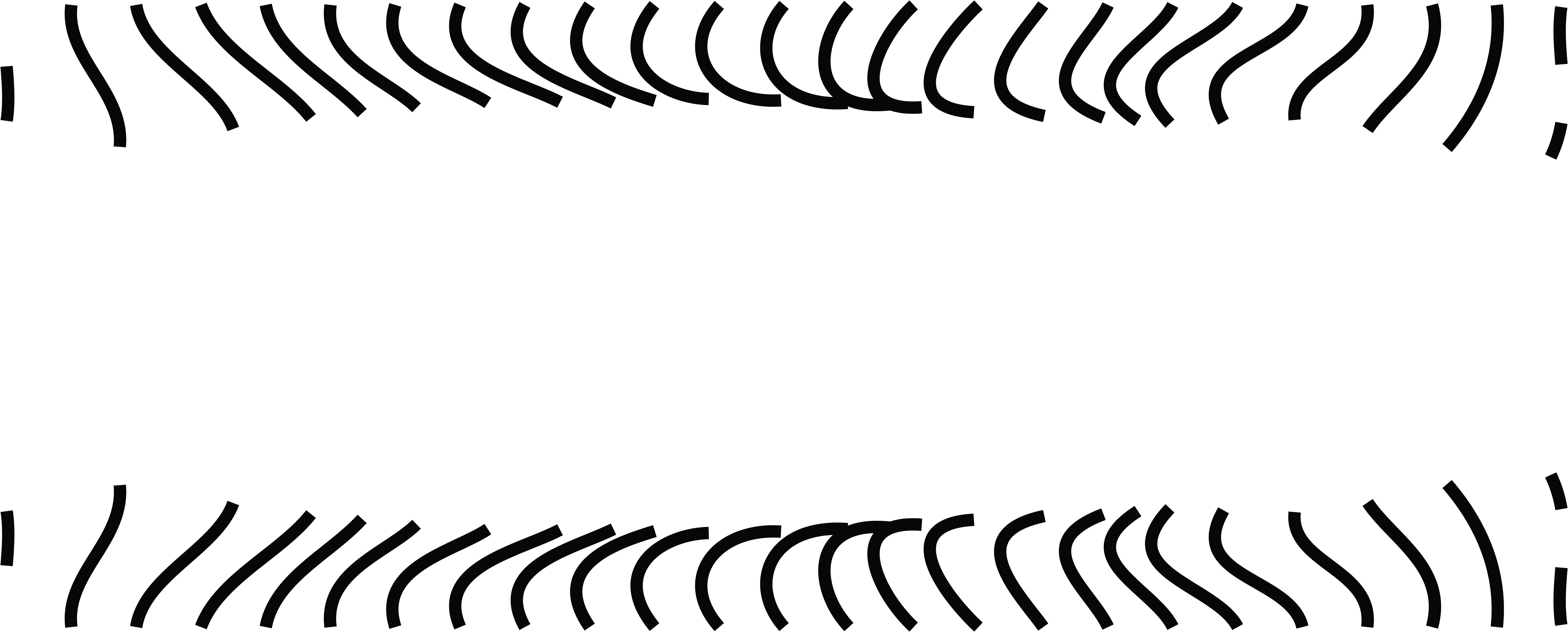
تعمل ملايين الأهداب — وهي شعيرات دقيقة — داخل القنوات الصغيرة في أجسامنا. تنبض بشكل منسق، مثل مجاديف السفينة، وتدفع المخاط اللزج أو السائل. اقترح مؤلفو الدراسة الجديدة النظر إلى السجادة الهدبية كوسط مسامي نشط — شيء يشبه الإسفنجة التي تعصر نفسها وتفرج عنها لتدفع الماء. هذا النهج أبسط من تتبع كل شعيرة على حدة، لكنه أدق من النماذج المتوسطة القديمة.
حدد الباحثون معلمتين حاسمتين. الأولى: نسبة حجم القناة التي تشغلها الأهداب (كلما زاد عددها، زاد تداخلها مع بعضها). الثانية: مدى تغطية الأهداب للمقطع العرضي للقناة، أي أي جزء من التجويف يمكنها سده. وبحل معادلات حركة السائل لهذا «المرشح الحي»، اكتشف العلماء علاقة خطية واضحة: كلما زادت سرعة التدفق، قل الضغط المعاكس الذي يمكن للنظام التغلب عليه. هذا يشبه ناقل الحركة في الدراجة: على السرعة المنخفضة يمكنك صعود تل شديد الانحدار، وعلى السرعة العالية لا يمكنك إلا الانطلاق على طريق مستوٍ.
هذا المبدأ عالمي — لا يعتمد على شكل الموجة أو تردد النبض. وهو يفسر لماذا تختلف بنية الأهداب في الأعضاء المختلفة: في بعض الأماكن نحتاج السرعة (تنظيف القصبات)، وفي أماكن أخرى نحتاج الضغط (دفع السوائل اللزجة). أما المهندسون الذين يصممون المضخات الدقيقة لمختبرات الرقاقة (lab-on-a-chip)، فقد أصبح واضحًا لهم الآن: لا يمكن الحصول على معدل تدفق مرتفع وضغط مرتفع في نفس الوقت — سيتعين عليهم الاختيار.
الملخص الأصلي
كما كتبه المؤلفون، بالإنجليزية arXiv:2605.21567
Ciliated organs transport viscous fluids through confined ducts, yet how duct morphology and ciliary activity jointly set the limits of flow rate and sustainable pressure remains unclear. Here, we model dense arrays of beating cilia lining duct walls as an active porous medium driven by prescribed metachronal waves, and identify two key morphological parameters that govern transport: the ciliary confinement ratio and the mean ciliary fraction. The resulting flows are described by the incompressible Navier-Stokes-Brinkman equations, which we solve numerically using a spectral method in the low-Reynolds-number regime. We also develop a complementary mean-field analytical model. The active porous medium framework provides an intermediate description between classical envelope theories and filament-resolved simulations and enables a systematic investigation of how fluid transport is shaped by confinement and packing of ciliary material. We find that transport is characterized by a decreasing linear relationship between flow rate and pressure generation, marking a fundamental trade-off between throughput and sustainable adverse pressure. These results provide a unified physical interpretation of the morphological diversity of ciliated ducts, from high-throughput ciliary carpets to pressure-generating ciliary flames, and offer guiding principles for the design of bio-inspired microfluidic pumps.
تؤدي الأهداب البشرية حوالي 10-15 ضربة في الثانية، وتنتشر الموجة المنسقة عبر صفوفها بسرعة تقارب 1 ملم/ثانية — أسرع من نمو الأظافر، لكنها أبطأ من حركة الحلزون.