كيف تتعلم الحياة البقاء سريع
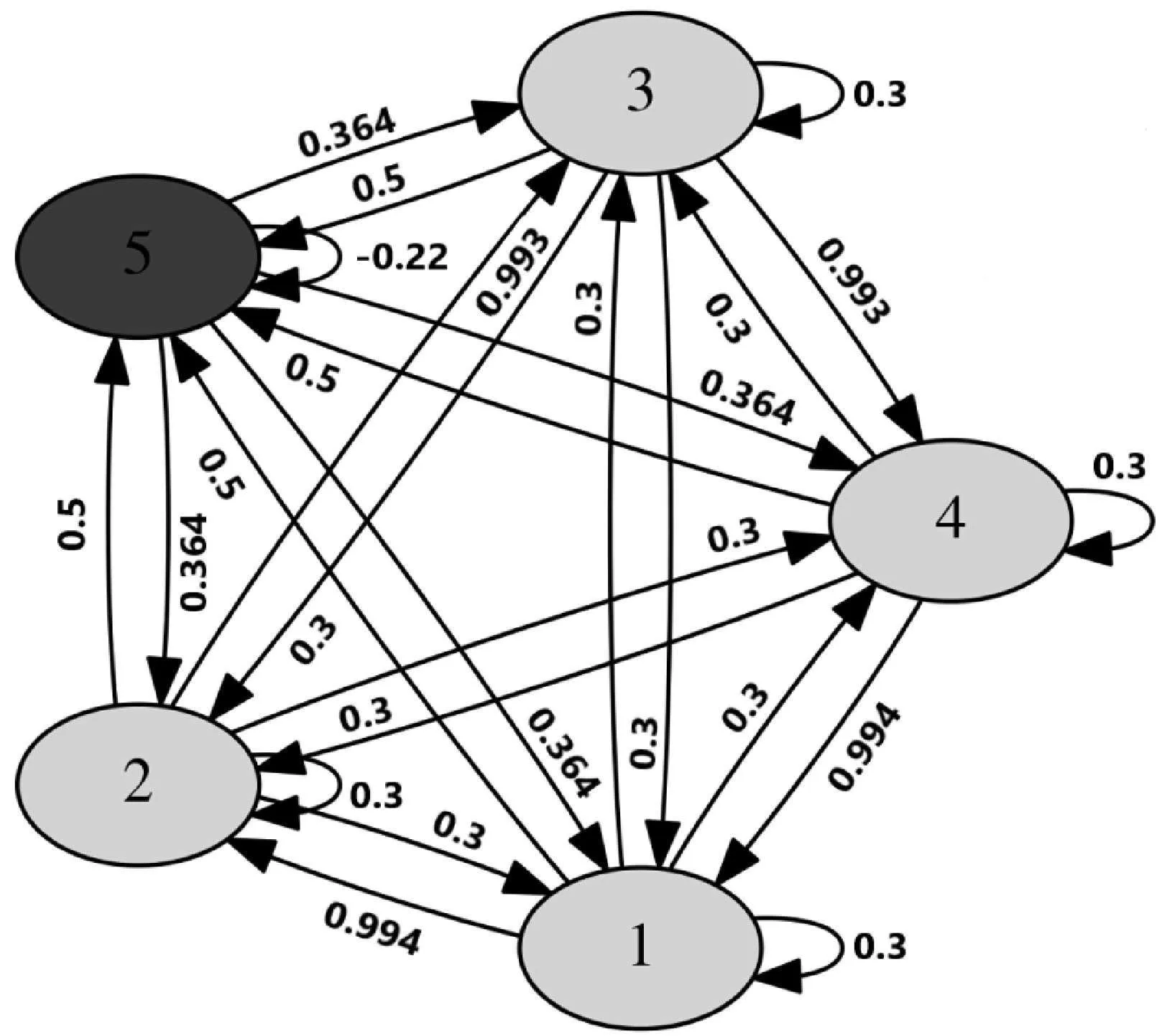
في قدرٍ من المرق تسبح جزيئات. بعضها ينسخ نفسه بنفسه، وبعضها يساعد جيرانه، وبعضها الآخر لا يفعل سوى الإعاقة. هذا ليس حساءً، بل نموذج للحياة المبكرة — نظام النسخ المتماثل (replicator system). عادةً ما يُفترض أن قواعد اللعبة محددة مرة واحدة وإلى الأبد: من يتكاثر أسرع، يفوز. لكن مؤلفي الدراسة افترضوا خلاف ذلك — فالقواعد يمكن أن تتغير أيضاً، وإن كان ببطء شديد.
قسّموا الزمن إلى تيارين. تيار سريع — صراع الأنواع داخل جيل واحد. وتيار بطيء — تطور "المسرح" نفسه الذي يدور عليه الحدث. رياضياً، يستند هذا إلى نظرية تيخونوف (Tikhonov theorem): إذا سارت العمليات بسرعات مختلفة، يمكن اعتبار البطيء شبه متجمد بينما يصل السريع إلى التوازن. عندها تختزل المسألة إلى سؤال بسيط: أي مسرح يجب بناؤه ليكون متوسط بقاء جميع الممثلين أقصى ما يمكن؟ يُبحث عن الإجابة خطوة بخطوة، بحل مسألة البرمجة الخطية (linear programming) في كل مرحلة — وهي شبيهة بالبحث عن أرخص مجموعة من المنتجات بميزانية صارمة.
أولاً، تزداد اللياقة العامة، لكن موازين القوى لا تتغير. الإيثار الخالص — عندما يساعد جزيء جزيئاً آخر دون أن يطلب شيئاً مقابل ذلك — يُستبدل بسلوك مختلط: أساعد، لكن لا أنسى نفسي. ثم يبرز نوع قائد. وأخيراً، يتجمد النظام قرب خط الخطر الذي تبدأ بعده انهيارات أخطاء النسخ. تُسمى هذه العتبة بكارثة الأخطاء (error catastrophe). الأمر الأكثر إثارة للاهتمام هو أنه بعد كل إعادة الترتيب هذه، يتوقف المجتمع عن الخوف من الطفيليات. فهي ببساطة لا تستطيع أن تثبت أقدامها.
هكذا ترسم الرياضيات المجردة صورة للبقاء. لا حاجة لأن تكون الأسرع أو الأقوى — يكفي أن تضبط العلاقات بشكل صحيح.
الملخص الأصلي
كما كتبه المؤلفون، بالإنجليزية arXiv:2607.04456
We propose and analyse a mathematical model of evolutionary adaptation for non-degenerate (permanent) replicator systems, in which the fitness landscape matrix evolves on a slow timescale -- the evolutionary time -- while the species dynamics unfold on a fast timescale. Under a two-timescale separation justified by Tikhonov's theorem, the adaptation problem reduces to maximising the mean fitness at steady state over a convex admissible set of fitness landscape matrices. We derive a fitness variation formula and establish necessary and sufficient conditions for a fitness maximum, showing that the optimisation reduces at each step to a linear programming problem. The algorithm is applied to four canonical replicator systems: the hypercycle, the bi-hypercycle, the anthill system, and the RNA molecule network. In all cases the evolutionary process follows a universal three-phase pattern: an initial phase of fitness growth without equilibrium shift, during which purely altruistic replication gives way to mixed altruistic-selfish behaviour; a second phase of dominant species emergence; and a stabilisation phase analogous to the error catastrophe threshold in quasispecies models. A key consequence is that all evolved systems acquire resistance to parasitic species. We further prove that without non-degeneracy constraints the process leads to sequential species annihilation, with a provable spectral lower bound on fitness increase by dimension reduction.
عتبة كارثة الأخطاء ليست مجرد تجريد. فيروسات الإنفلونزا تعيش قربها تماماً: طفرات أكثر قليلاً — وينقرض السكان، لذلك يصعب القضاء عليها بالأدوية.
في "الحديقة الجوراسية" تنبأت نظرية الفوضى بانهيار النظام — أما هنا فالرياضيات، على العكس، تلمس الطريق إلى الاستقرار.