Cosmic Foam: How Vacuum Bubbles Created Matter ⚡ экспресс
Original: "A Cosmic Higgs Collider"
In the newborn Universe, vacuum bubbles crashed into each other like in a glass of champagne — and from that cosmic foam, every atom in our bodies was born.
Links in the knowledge graph 1
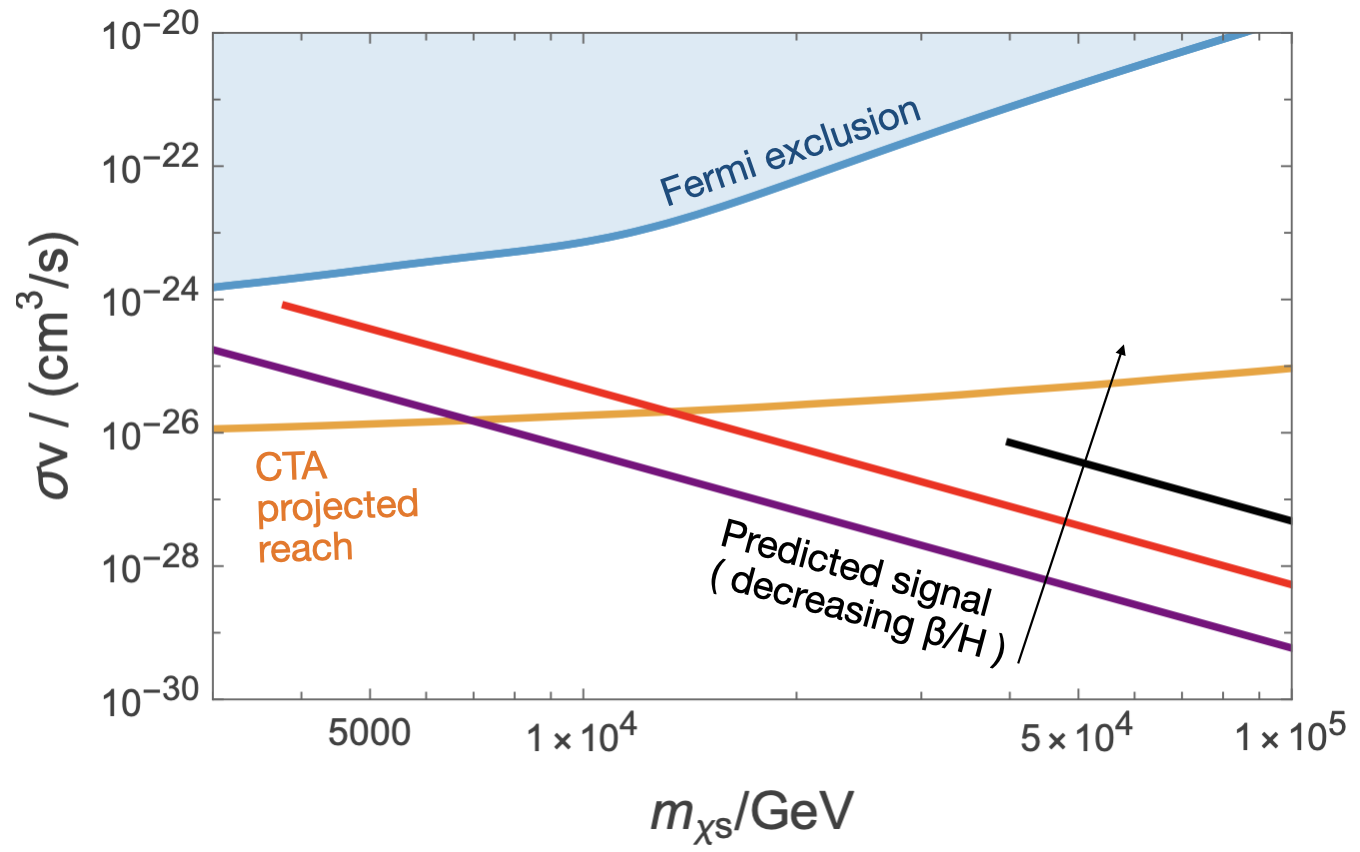
In the early Universe, bubbles of new vacuum collided at nearly light speed, acting as a natural collider. This offers a way to peer into physics at Planck scales and explain dark matter and the mystery of matter's dominance over antimatter.
🎯 Some of the particles born could weigh as much as a grain of salt—an absolute record in the world of elementary particles, since an ordinary proton is billions of billions of times lighter.
🎬 In science fiction, vacuum decay usually appears as a cosmic catastrophe—for example, in Stephen Baxter's novel 'Vacuum Diagrams'. Yet in reality, it is precisely this process that may have given birth to everything that exists.