Heat as the Signature of Life
A red blood cell caught in a laser beam trembles. This trembling is not random: the cell membrane is constantly moving, pumping ions and rearranging proteins. Each such movement produces tiny bursts of heat that until recently escaped even the most sensitive instruments. Now physicists have learned to read these thermal signatures, turning random fluctuations into a precise map of biological activity.
Thermal power is the rate at which a living system dissipates energy into its surroundings. For all organisms, from bacteria to humans, this quantity per unit mass holds at about one watt per kilogram. For comparison, the Sun emits only 0.0001 watts per kilogram. Life turns out to be ten thousand times hotter than a star. But measuring this heat flow from a single cell was impossible: too small, too diffuse. Traditional calorimetry requires millions of cells, and therefore loses detail.
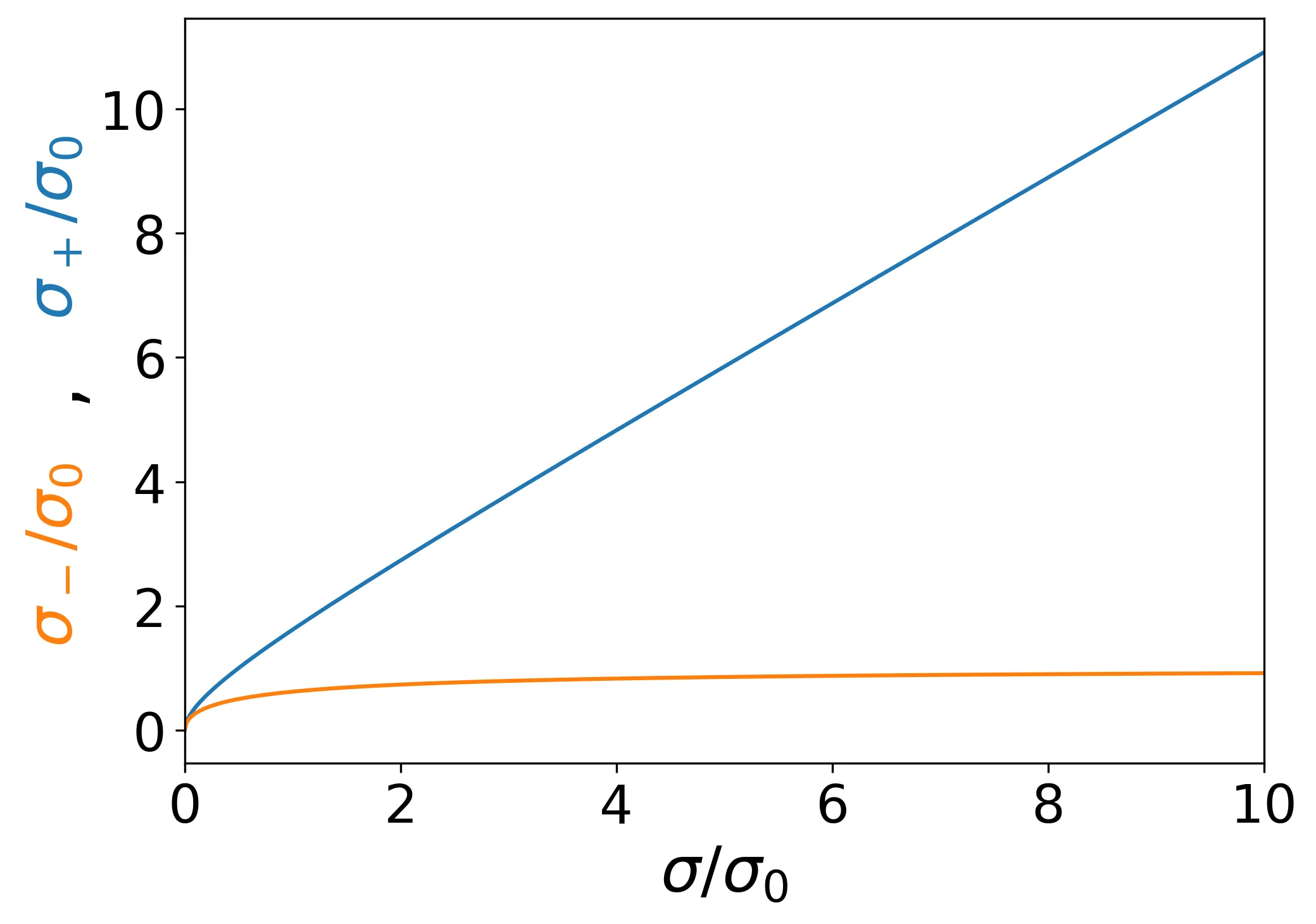
The new approach relies on the sum-of-variances rule. If a probe particle is attached to a non-equilibrium system and its random motions are observed, the statistics of these fluctuations will reveal the rate of entropy production. For red blood cells, an optical trap with adjustable stiffness was used. The particle held by the laser feels every push of the membrane. By measuring how the variance of its displacement changes, one can calculate the thermal power without direct contact with heat.
The result is astonishing: about 2 femtowatts per cell, which agrees with calorimetry data for large samples. But the main point is spatial resolution. The method allows mapping the heat release over the cell surface with a correlation length of about 600 nanometers. The accuracy reaches 0.1 attowatts, nine orders of magnitude better than modern nanocalorimetry. It's like hearing a grain of sand fall in the roar of the surf.
The method's prospects extend far beyond a single cell. It can be extended to systems with hidden degrees of freedom, which will allow measuring the contribution of individual molecular processes. Time-resolved fluorescence microscopy will open the way to mapping heat release inside living cells. Perhaps we will learn to measure negative entropy, that very order that life creates by dissipating chaos.
So heat becomes the signature of life. Every cell, every protein leaves a thermal trace, and now we have a tool to read it. From the trembling of a red blood cell to the energetics of an entire organism, it's one step.
The thermal power of a living organism per unit mass is roughly ten thousand times greater than that of the Sun, and comparable to the average power of the entire Universe.
The idea of measuring thermal power as a universal sign of life echoes the tricorder from Star Trek, which could remotely assess biological activity.