البروتينات تثني الغشاء كما تثني الملعقة الغشاء الرقيق على الحليب سريع
غشاء الخلية الحية ليس صدفة صلبة، بل غشاء رقيق مرن، مدمجة فيه آلاف البروتينات، مثل الزبيب في العجين. عندما يغيّر البروتين شكله أو تتحرك الخلية، ينحني الغشاء: أحيانًا بشكل بالكاد ملحوظ، مثل سطح الماء عند سقوط ذرة غبار، وأحيانًا بشدة — مثل ملاءة السرير إذا مددت ساقيك تحتها. حتى الآن، وصفت الحسابات الانحناءات الضعيفة فقط، لكن في الخلية الحقيقية تكون الانحناءات عميقة: أثناء الانقسام، والتقاط الجسيمات، وتكوين الحويصلات الناقلة. مؤلفو العمل الجديد فحصوا لأول مرة الانحناءات القوية ورأوا شيئًا غير متوقع.
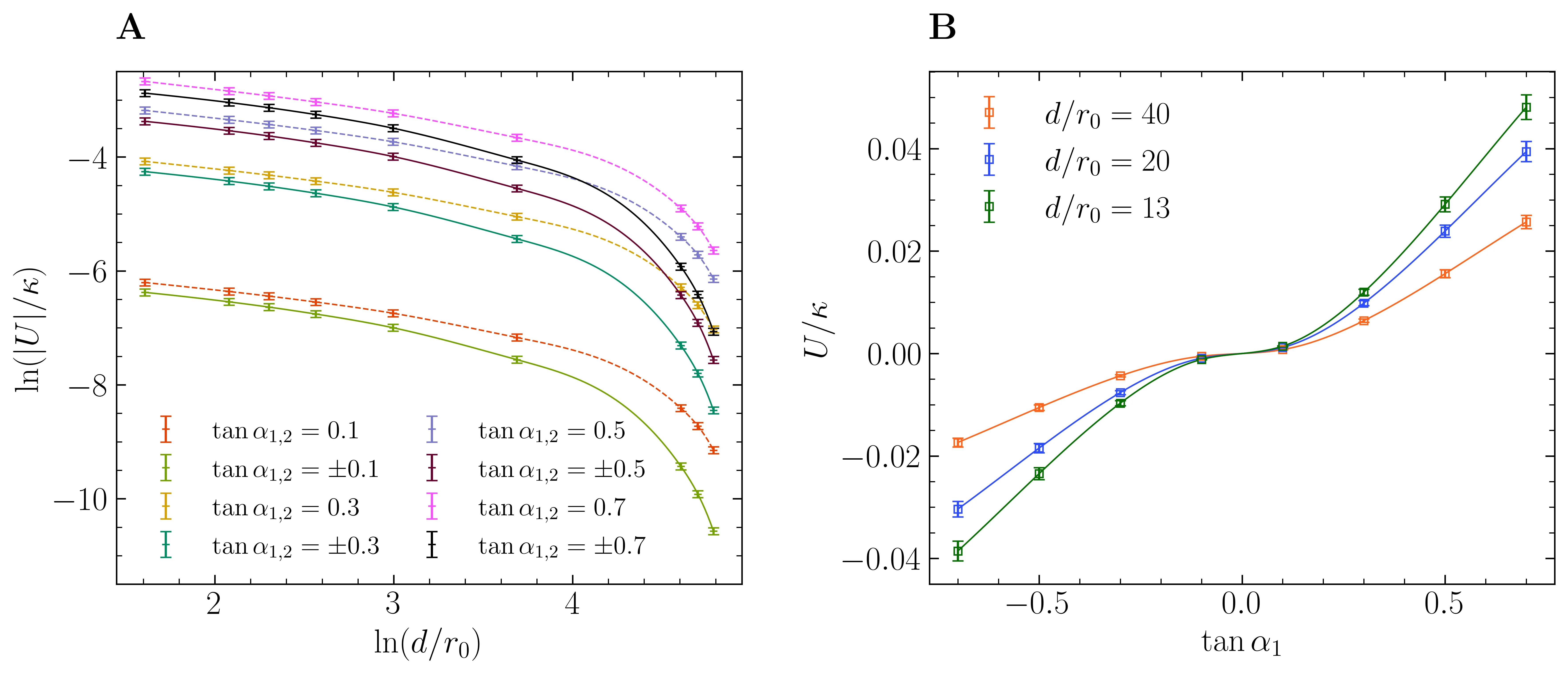
استخدموا نموذجًا حاسوبيًا، حيث قُسّم الغشاء والبروتينات إلى العديد من العناصر الصغيرة، مثل الفسيفساء. اتضح أن القوة التي يسحب بها الغشاء المنحني البروتين لأعلى أو لأسفل لا تتصرف بشكل رتيب: تزداد أولًا ثم تتناقص. هذا مثل شد شريط مطاطي ملتصقة به خرزة — كلما سحبت الخرزة أبعد، زادت مقاومة الشريط، لكن في لحظة ما ينزلق الشريط من بين أصابعك، وتنخفض القوة. علاوة على ذلك، هذه الصورة لا تعتمد على شكل البروتين — سواء كان مخروطًا أو أسطوانة. بالنسبة لبروتينين متجاورين، أظهر الحساب: إذا كانا مائلين في نفس الاتجاه، يتنافران؛ إذا كانا في اتجاهين مختلفين، يتجاذبان. هذا يذكّر بسلوك الشحنات الكهربائية، لكن هنا بدلًا من الشحنة — ميل البروتين.
هذه الحسابات تساعد على فهم كيف تتجمّع البروتينات في مجموعات على سطح الخلية، وكيف تفرز الخلية الحمولات وترسلها إلى الأقسام الصحيحة. كل هذا هو أساس الحياة، لكن حتى الآن رأينا فقط ظلالًا ضعيفة لهذه العمليات. الآن، بعد حساب الانحناءات القوية، تصبح الصورة ثلاثية الأبعاد.
الملخص الأصلي
كما كتبه المؤلفون، بالإنجليزية arXiv:2601.15477
Biological membranes are dynamic surfaces whose shape and function are critically influenced by protein inclusions (PIs). While membrane deformations induced by PIs have been extensively studied in the small-deformation regime, a variety of processes involves strong membrane deformations. We investigate the interaction between lipid membranes and PIs in the large deformation (LD) regime, with the finite-element method. We develop an approximate analytical solution that captures key features of the LD regime. We show that the force exerted by the membrane on a PI displays a non-monotonic behavior with respect to the PI vertical displacement. The qualitative features of this force appear to be independent of the protein geometry. For two interacting PIs, the membrane-mediated potential exhibits sub-power-law decay with inter-protein distance, reflecting the complex nature of the elastic medium. The interaction potential shows that conical PIs with identical and opposite orientations repel and attract, respectively, confirming the analogy between PI orientation and electric charge, in the LD regime. In the presence of membrane flows, we identify a characteristic velocity that separates two regimes in which bending rigidity and viscous effects dominate, respectively, implying the onset of flow-induced deformations above such velocity threshold. Overall, our results provide quantitative predictions for membrane-protein systems in biologically relevant scenarios involving LDs, with implications for protein sorting, clustering, and membrane trafficking.
القوة التي يسحب بها الغشاء البروتين يمكن أن تزداد أولًا ثم تنخفض — كما لو أن الغشاء «يتعب» من حمل البروتين عند الانحناء الشديد.