ختم الضوء: مليون نقطة في الثانية سريع
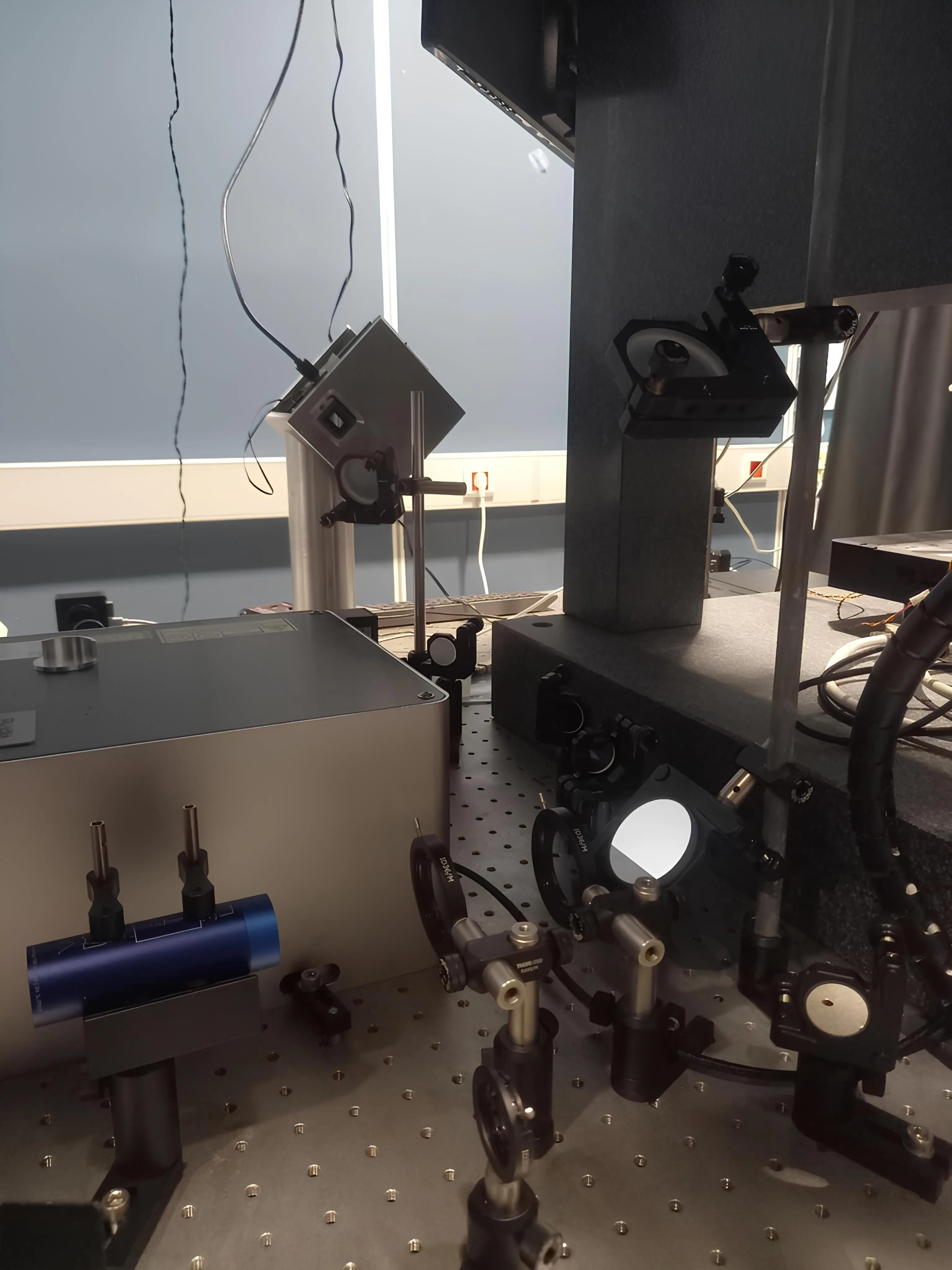
الطابعة ثلاثية الأبعاد العادية تبث البلاستيك مثلما يبث الحلواني الكريم من كيس التزيين. هنا، بدل البلاستيك، نستخدم الضوء. شعاع ليزر يرسم داخل راتينج سائل، فيجعله يتصلب في النقاط المطلوبة. هكذا تولد أجزاء لا يمكن رؤيتها بدون مجهر.
حتى الآن، كانت هذه الطابعات تعمل ببطء: كان الشعاع يزحف على السطح مثل قلم على الورق. الآلة الجديدة تغير قواعد اللعبة. إنها تعرض صورة كاملة دفعة واحدة، مثل جهاز عرض في السينما. ينقسم الضوء إلى ملايين المرايا الصغيرة، ويتجمد كل جزء في الوقت نفسه. تقفز السرعة إلى مليون فوكسل في الثانية، أي ما يعادل ملء غرفة كاملة بمكعبات روبيك في أمسية واحدة.
لكي يتجمد الراتينج فورًا، اختاروا محفزًا خاصًا. يمنع النقاط المتجاورة من الالتصاق ببعضها بسبب الحرارة، مثلما يمنع الزيت في المقلاة الفطائر من الالتصاق ببعضها. لذلك يصبح النمط واضحًا والأجزاء متساوية.
لقد طبعت الطابعة بالفعل شبكة تشبه أقراص العسل، وغابة من الأعمدة المجهرية. هذه الهياكل ضرورية في البصريات: فهي تتحكم في الضوء بشكل أفضل من العدسات العادية. الآن يمكن صنعها بسرعة وبتكلفة منخفضة، مثل طباعة الصور بالطابعة النافثة للحبر.
الملخص الأصلي
كما كتبه المؤلفون، بالإنجليزية arXiv:2601.17816
High-resolution lithographic techniques are often limited by low volumetric throughput, since there is no universal and scalable manufacturing process that can produce 3D metasurfaces. In this work, we demonstrate a high-speed holographic 3D printing platform based on spatiotemporal beam shaping, exceeding the repetition rate while keeping the resolution high. The system integrates a femtosecond laser source with a spectral pulse compressor and a beam shaper to project uniform, axially confined light fields to project patterns directly on the advanced photoresists using a Digital Micromirror Device DMD. We investigate the process window for rapid polymerization, optimizing the photoinitiator choice to eliminate thermal crosstalk at high repetition rates. Using this setup, we achieve a production throughput of more than a million voxels per second with sub-micron resolution below 400 nm. The system's reliability is validated through the fabrication of large-area woodpile-like lattices and uniform micropillar arrays, establishing a workflow for scalable manufacturing of micro-optical components.
دقة الطباعة 400 نانومتر، أي أنحف بمقدار 200 مرة من شعرة الإنسان.