الخيوط الكمومية: كيف تنسج القياسات الروابط سريع
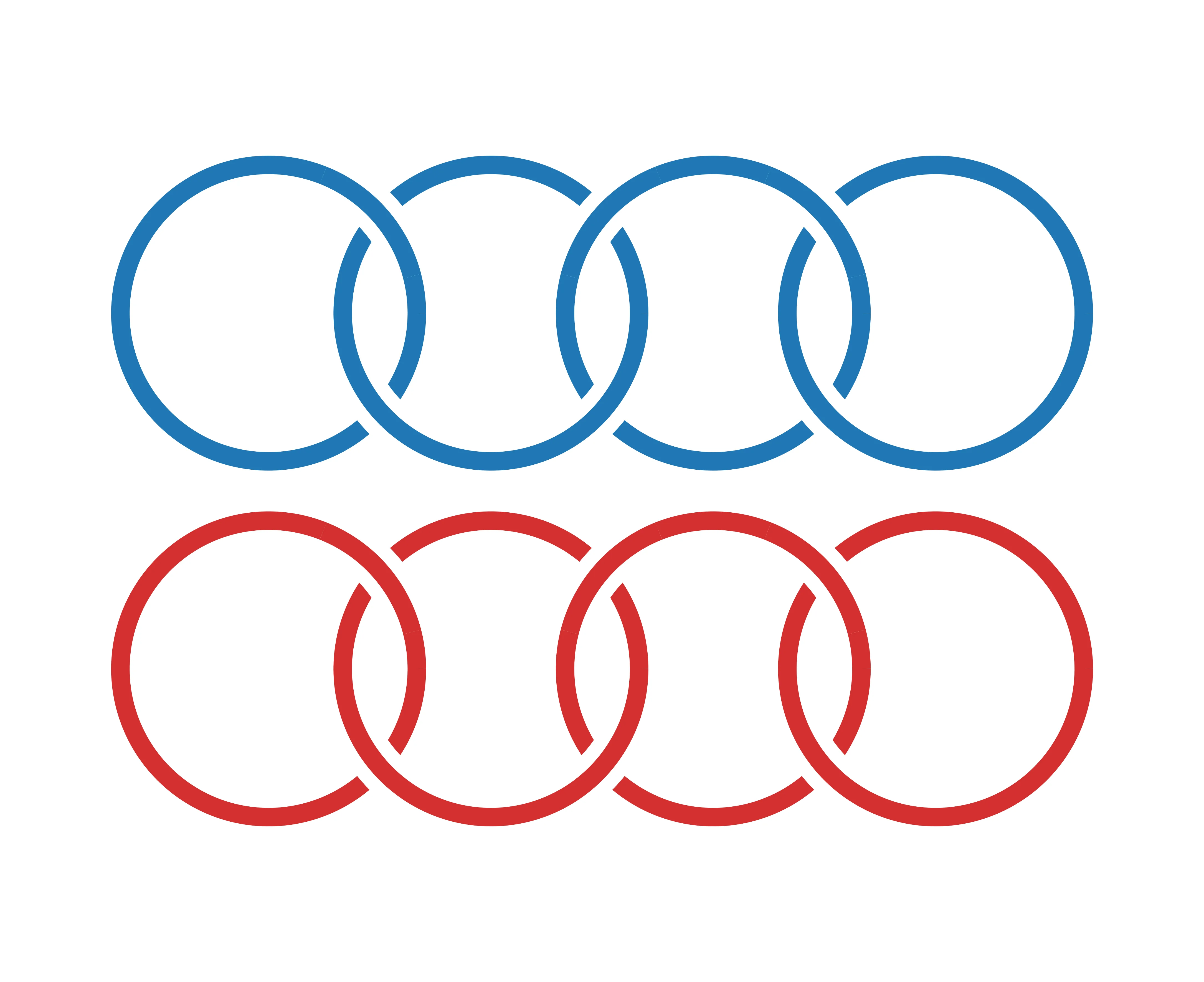
الحاسوب الكمومي ينسج من الكيوبتات ما يشبه الخيط، حيث كل عقدة هي جسيم، والرابط بينها هو تشابك. عندما يقيس الفيزيائي كيوبتًا، يتغير الخيط: يتمزق في مكان، ويُخاط في آخر، وأحيانًا تظهر عليه لفة. وجد مؤلفو العمل الجديد قواعد دقيقة لهذه التحولات لأبسط سلسلة — الخطية، حيث تُرتب الكيوبتات في صف.
القياس على طول المحور Z يعمل كالمقص: إذا كان الكيوبت داخل السلسلة، يُقطع الخيط، وإذا كان على الطرف، فإنه يقصر فقط. أما القياس على طول المحور X، فيزيل الكيوبت نفسه، لكنه يربط جاريه مباشرة، كما لو أنك أزلت حلقة وربطت الطرفين. الرابط يُحفظ عندها، لكن بطريقة مختلفة عن السابق.
ينشأ التعقيد مع القياس على طول المحور Y: فهو يحفظ الرابط أيضًا، لكنه يضيف إلى الحالة عامل طور مركب — كما لو أن الشريط تلقى لفًا إضافيًا غير مرئي في المخطط العادي. لمراعاة ذلك، انتقل المؤلفون من الخيوط البسيطة إلى أشرطة بعلامات، حيث يُرمَّز الطور ±i بلفة بمقدار ±90 درجة. هكذا تصبح الهندسة حساسة لما كان يفلت سابقًا.
البناء كله يذكرنا بالحياكة: ترتيب الحلقات واللفات يحدد النمط النهائي. بالنسبة للحوسبة الكمومية، هذا يعني أن تسلسل القياسات يمكن قراءته كتعليمات للنسج، وخصائص التشابك الكمومي كطوبولوجيا الشريط الناتج. العمل مقصور على سلاسل أحادية البعد وقياسات في ثلاثة أسس قياسية، لكن هنا بالفعل نرى كيف تصبح الرياضيات المجردة للعقد أداة عملية.
الملخص الأصلي
كما كتبه المؤلفون، بالإنجليزية arXiv:2602.13990
We provide an explicit geometric classification of single-qubit projective measurements on one-dimensional linear cluster states within a topological framework. By establishing an explicit geometrical correspondence between local measurements and topological surgery operations on an associated link model i.e. a measurement surgery correspondence, we represent the cluster state as a linear Hopf chain. Within this model, measurements in the computational ($$Z$$) basis act as topological severance in case of bulk measurements while boundary pruning happens for end measurements of qubits. In contrast, transverse ($$X$$) basis measurements remove the measured qubit while splicing its neighbours, preserving connectivity through real valued correlations. We show that lateral ($$Y$$) basis measurements also preserve connectivity but generate intrinsically complex phase factors that are not captured by unframed link models, rendering X and Y measurements topologically indistinguishable at the level of connectivity alone. To resolve this ambiguity, we introduce a framed ribbon representation in which quantum phases are encoded as geometric twists, with chiral $$\pm 90^\circ} twists corresponding to the phases $$\pm i$$. This framing yields a phase-sensitive and outcome resolved topological description of all single qubit measurements on linear cluster states. Our approach provides a unified geometric interpretation of measurement-induced entanglement transformations in measurement-based quantum computation, revealing that quantum phases correspond directly to framed topological invariants. The work is restricted to one-dimensional linear cluster states and single-qubit measurements in the Pauli bases.
الطور ±i في ميكانيكا الكم هو دوران بمقدار 90 درجة، وفي نموذج الشريط يتحول إلى لف حرفي للشريط، كما لو كنت تلف حزامًا قبل إحكامه.