أبوفيس: رقصة قبل موعد مع الأرض سريع
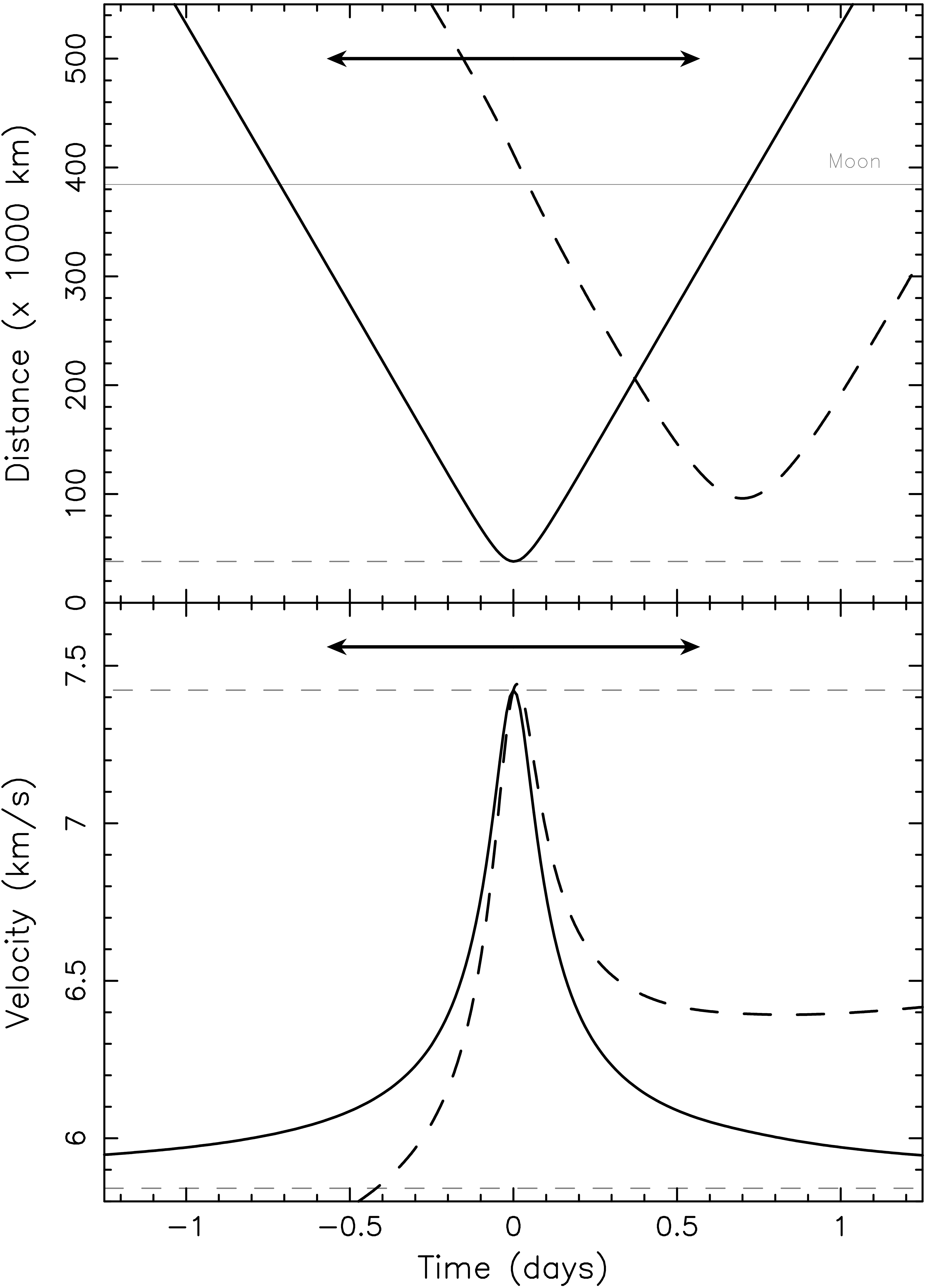
قمة دوّارة أُطلقت في انعدام الجاذبية لا تدور فقط حول محورها، بل تتمايل أيضًا كأنها مخمورة. هكذا يتصرف الكويكب أبوفيس: فهو لا يدور باستقامة، بل يتقلب في الفضاء. في 13 أبريل 2029، سيندفع هذا المسافر السماوي على مسافة حوالي 38,000 كيلومتر من الأرض — أقرب من الأقمار الصناعية للاتصالات. جاذبية كوكبنا ستهزه مثل هبة ريح قوية تهز دوارة الهواء، وستجبره على الدوران بطريقة جديدة.
لتوقع كيف ستتغير رقصة أبوفيس بعد اللقاء، يجب معرفة حركاته الحالية بدقة. أخذ علماء الفلك صورًا قديمة للكويكب التُقطت في 2012-2013 و2020-2021، وطبقوا طريقة منحنيات الضوء (Light Curves) — وهي رسوم بيانية لتغير سطوع الجرم السماوي. من هذه التذبذبات في السطوع، مثل بصمات الأصابع، يمكن إعادة بناء كيفية تقلب الجسم. هكذا تمكنوا من بناء عدة نماذج للدوران، لكن لم يتمكنوا من اختيار واحد — البيانات لم تكن كافية. هذا يشبه محاولة تخمين كيف تدور عملة معدنية بالنظر إليها عبر زجاج مصنفر.
اللغز هو أن جميع النماذج المناسبة تُظهر تقريبًا نفس الاتجاه للكويكب قبل الاقتراب. السبب هو مصادفة مواتية: الفاصل الزمني بين الملاحظات في 2012-2013 و2020-2021 (8 سنوات) يساوي الفترة من 2021 إلى 2029. يبدو أن الطبيعة أعطتنا تزامنًا: الكويكب الآن ينظر في نفس الاتجاه الذي كان عليه قبل 8 سنوات. لكن بعد لقاء أبريل، ستزداد عدم اليقين بشكل حاد: قد يدفع شد الجاذبية الأرضية أبوفيس إلى الدوران في أحد عدة اتجاهات. لحسن الحظ، هناك خبر جيد: على الأرجح، سيحافظ الكويكب على دورانه حول أقصر محور — مثل متزلج يضغط ذراعيه إلى جسده.
الملخص الأصلي
كما كتبه المؤلفون، بالإنجليزية arXiv:2604.24566
On April 13, 2029, the asteroid Apophis will pass near Earth at a geocentric distance of about 38,000 km. Numerical models have suggested that the post-encounter spin state will critically depend on the orientation of Apophis during the flyby. We aim to determine the spin state of Apophis from its photometric observations collected during two apparitions in 2012-2013 and 2020-2021. This will enable us to accurately predict the pre-encounter rotation state and, by accounting for Earth's gravitational torque, predict a range of possible post-encounter states. We used the light curve inversion method for tumbling asteroids to reconstruct the spin state of Apophis and its convex shape model. The result is adopted as the initial condition of a numerical model describing Apophis's future rotation state. The data from the two apparitions are insufficient to determine Apophis's rotation and precession periods uniquely. The formally best-fit solution is 27.374 +/- 0.001 h for the precession period and 262.2 +/- 0.1 h for the rotation period, but at least two other combinations of the periods provide a similarly good fit to the available data. All the currently acceptable models result in approximately the same pre-encounter orientation of Apophis in early 2029. This is because the accurate photometric data were collected during two apparitions separated by 8 years, which is the same interval as from 2021 to 2029. Although the close encounter with Earth in April 2029 hugely increases the post-encounter uncertainty of Apophis's spin state, the short-axis spin mode will be preserved with a high likelihood. Additional observations taken in 2027 and 2028 will break the ambiguity in Apophis's pre-encounter spin solution and allow us to get a more accurate post-encounter spin state prediction
سُمي الكويكب أبوفيس على اسم الثعبان المدمر في الأساطير المصرية القديمة، الذي يحاول كل ليلة ابتلاع قارب الشمس. لكن على عكس الأسطورة، فإن أبوفيس الحقيقي لا يهدد الأرض على الأقل خلال المائة عام القادمة.
في رواية آرثر كلارك «موعد مع راما»، تتابع البشرية أيضًا مسافرًا فضائيًا غامضًا، دورانه ومساره يحملان لغزًا. أبوفيس، مثل راما، يجعلنا نتأمل السماء بترقب وفضول.