عناقيد المجرات: أين تختبئ آثار الاصطدامات سريع
العناقيد المجرية العملاقة هي مدن من آلاف الجزر النجمية، تتماسك بفعل الجاذبية. وفي داخلها يغلي غاز ساخن يُصدر ضوءًا في نطاق الأشعة السينية. إذا اصطدم عنقود بآخر مؤخرًا، تظهر فيه تكتلات من المجرات وعدم انتظام في الغاز — مثل تموجات على سطح الماء بعد إلقاء حجر.
أخذ علماء الفلك كتالوجًا يضم مئات العناقيد، جُمع من صور بصرية، وحددوا في كل عنقود مجموعات منفصلة من المجرات باستخدام خوارزمية ذكية. ثم قارنوا هذه المجموعات بالصور السينية للعناقيد نفسها. تبيّن أن 40% من العناقيد تحتوي على تكتلات ملحوظة، وفي ربع الحالات تشكّل هذه التكتلات أكثر من ثلث مجرات العنقود.
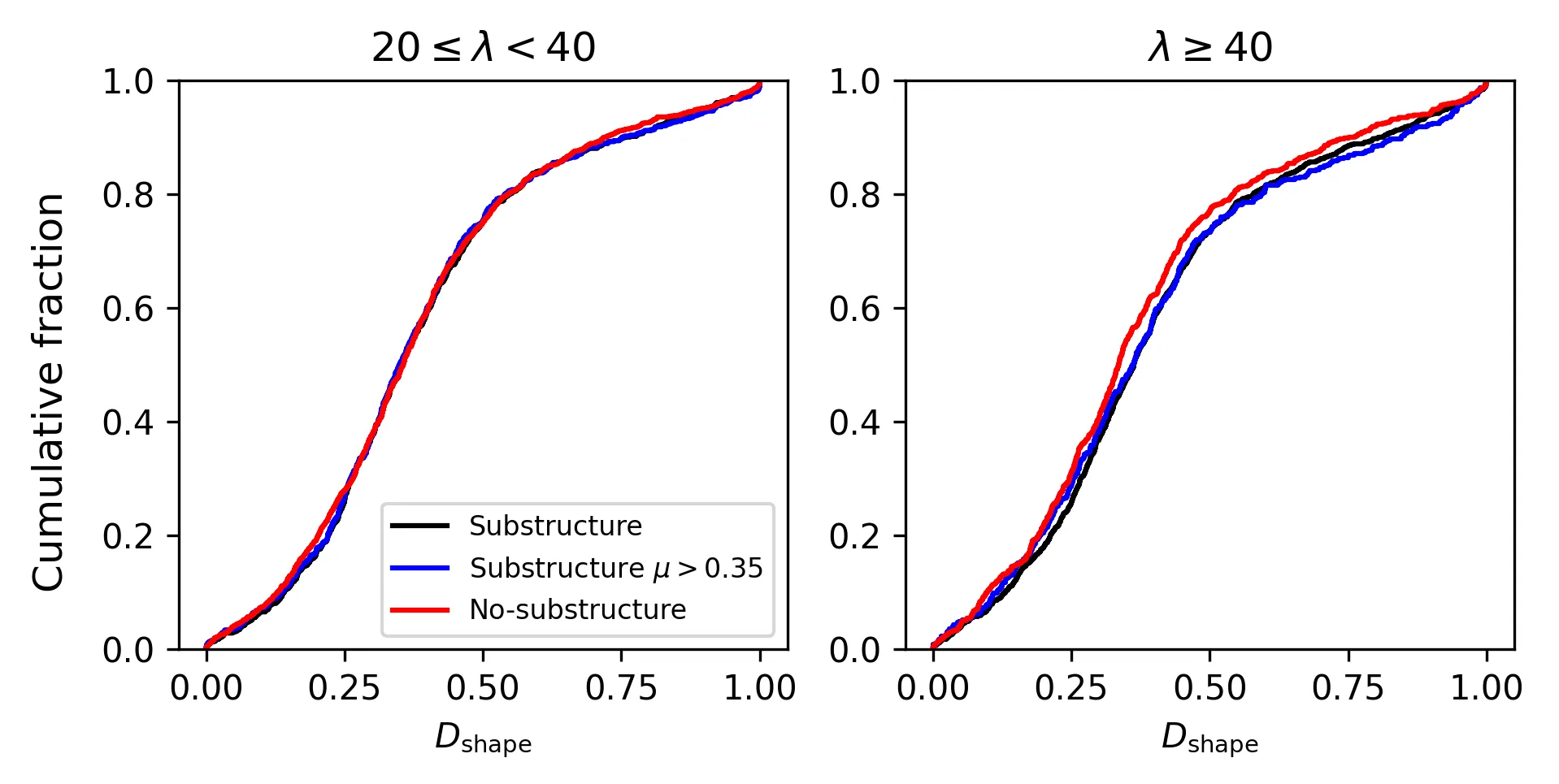
العناقيد ذات التكتلات غالبًا ما يكون شكلها غير مستقر ومائل في الضوء السيني. ويتجلى ذلك بوضوح خاص في العناقيد الأكثر ضخامة. علاوة على ذلك، في العناقيد القريبة (حتى مسافة تقارب 2,5 مليار سنة ضوئية)، تُضيء تلك التي شهدت اصطدامًا في الأشعة السينية بقوة أكبر من العناقيد الهادئة ذات العدد نفسه من المجرات. أما في العناقيد البعيدة فلا يكاد يُلاحظ هذا الفرق.
يبدو أن السبب هو أن الغاز الساخن في مركز العناقيد القريبة أكثر كثافة وبرودة، لذا بعد الاصطدام يبقى مضغوطًا ومضيئًا لفترة أطول. بالإضافة إلى ذلك، تعيش التكتلات في العناقيد القريبة لفترة أطول — فالمجالات المغناطيسية، مثل غشاء غير مرئي، تمنع الغاز من الاختلاط ومحو آثار الاصطدام.
أما في العناقيد الأصغر، حيث عدد المجرات ليس كبيرًا، فإن الشكل السيني لا يشير دائمًا إلى اصطدام. فهناك يبدأ الدور الرئيسي للثقب الأسود المركزي، الذي يقذف الطاقة ويعيد تشكيل سحابة الغاز بنفسه. لذا فإن الصورة السينية للعنقود ليست مجرد صورة، بل هي تاريخ حياته المضطربة.
الملخص الأصلي
كما كتبه المؤلفون، بالإنجليزية arXiv:2604.25770
We statistically quantified the prevalence and properties of substructure in optical galaxy clusters and directly investigated its impact on X-ray morphology and scaling relations, leveraging new data from the DECaLS Legacy Survey and the SRG/eROSITA all-sky survey. We applied the hierarchical density-based clustering algorithm HDBSCAN to the redMaPPer galaxy cluster catalog to identify and characterize substructure from the probabilistic membership assignments. We then cross-matched this sample with the eROSITA X-ray morphology catalog to correlate optical substructure with a comprehensive set of X-ray morphological parameters. Finally, we analyzed the scaling relation between X-ray luminosity and optical richness for clusters with and without substructure. Substructure is a common feature, present in approximately 40% of clusters; a quarter of the full sample exhibits a fractional contribution to richness in excess of 35%. We find a highly significant correlation between optical substructure and disturbed X-ray morphologies, a trend that is strongest for high-mass clusters. The clusters with substructure also drive a stronger redshift evolution in the scatter of the Lx-lambda relation. At low redshifts (z<0.2), they display a systematically higher X-ray luminosity at fixed richness compared to relaxed systems. We attribute the enhanced effect of mergers on X-ray properties at low redshifts to the increased density contrast of low-redshift cool cores and longer substructure survival times, which are possibly due to the suppression of disruptive mixing by effects such as magnetic draping. At lower cluster richness, a discordance between X-ray morphology and the merging state indicates a growing relative importance of active galactic nucleus feedback in governing X-ray morphology.
العناقيد المجرية هي أكبر الأجسام في الكون التي تتماسك بفعل جاذبيتها الذاتية. بعضها تبلغ كتلته $10^{15}$ كتلة شمسية، ويصل قطرها إلى عشرات الملايين من السنوات الضوئية.