كيف ننظر تحت جليد إنسيلادوس سريع
إنسيلادوس قمر صغير لكوكب زحل، يغطيه قشرة جليدية سميكة. وتحتها يتلاطم محيط مالح، وربما تعمل في الأعماق نواة حارة مسامية – مثل إسفنجة مشبعة بالماء والحرارة. لكن كيف ننظر عبر عشرات الكيلومترات من الجليد؟ لن نحتاج إلى الحفر: يمكننا استخدام «صدى» كهرومغناطيسي.
شخص يحمل جهاز كشف المعادن يمشي على الشاطئ. يرسل الجهاز إشارة، ومن خلال الاستجابة يحدد ما هو مخفي في الرمال – عملة معدنية أم أنبوب صدئ. وهنا كذلك: المجال المغناطيسي لكوكب زحل ولإنسيلادوس نفسه يخترق القمر بالكامل. وعندما يواجه طبقات مختلفة – جليداً أو ماءً أو صخراً مسامياً – يتغير المجال. يمكن التقاط هذه التغيرات بأجهزة على متن مسبار مداري أو على السطح.
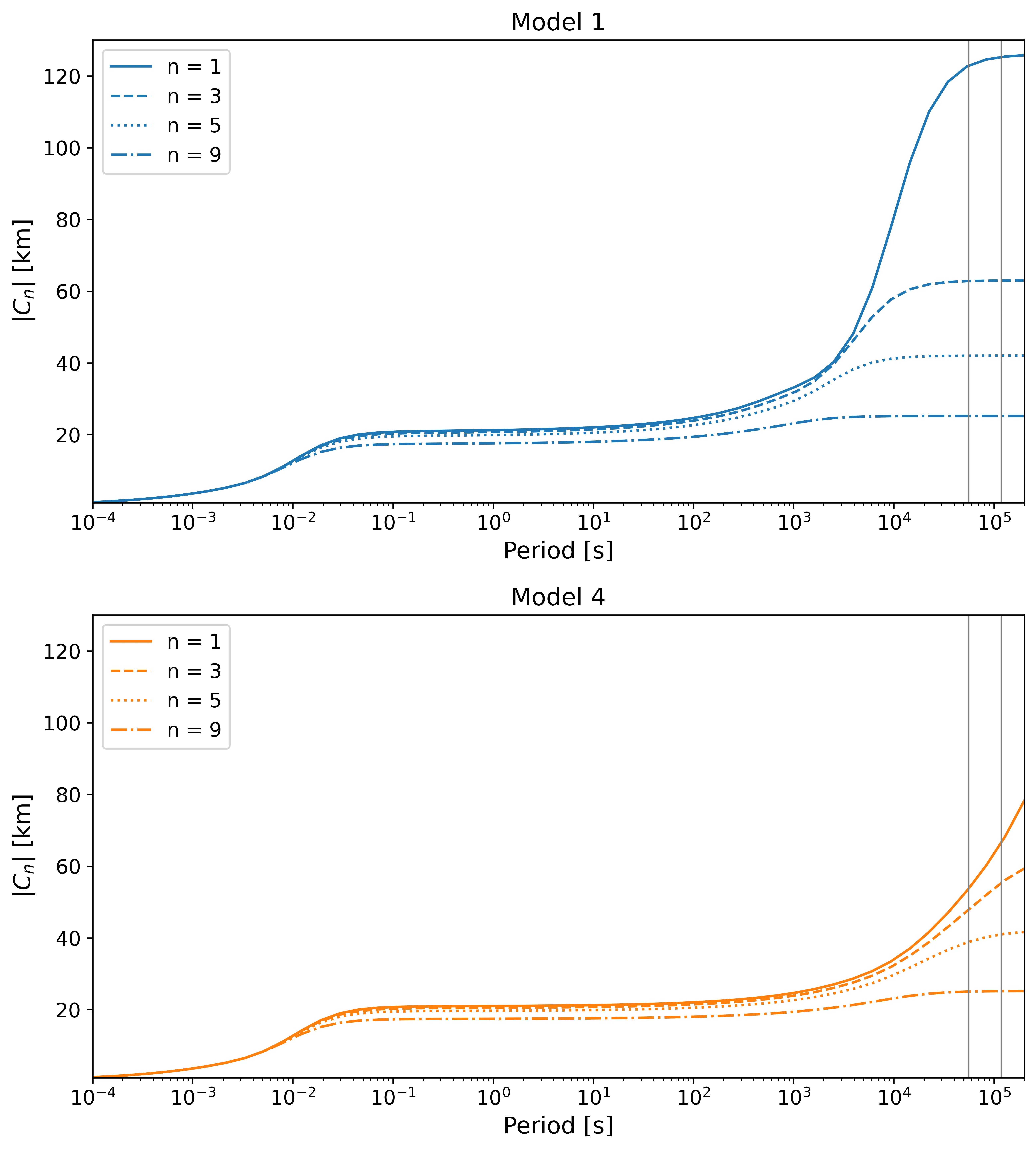
قام مؤلفو الدراسة بنمذجة كيفية تشويه التضاريس غير المنتظمة للقشرة الجليدية – السماكات والانخفاضات – للمجال المغناطيسي. وتبين أن هذه التشوهات تكون ملحوظة بوضوح إذا كان المحيط مالحاً بدرجة كافية. وعلى العكس، فإن غيابها سيشير إلى قشرة أكثر تجانساً أو ماء عذباً. لالتقاط مثل هذه الإشارات الضعيفة، نحتاج إلى مسبار في مدار قطبي منخفض. أما وحدة الهبوط المزودة بمستشعر واسع النطاق فستتمكن من قياس الاستجابة عند ترددات مختلفة و«رؤية» ليس فقط المحيط بل النواة أيضاً: مساميتها ورطوبتها ودرجة حرارتها.
وهكذا، دون لمس الماء، يمكننا معرفة ملوحته – وفهم مدى عمق الحياة المحتملة المختبئة تحت الجليد.
الملخص الأصلي
كما كتبه المؤلفون، بالإنجليزية arXiv:2605.09052
Electromagnetic (EM) sounding can constrain the electrical structure of Enceladus and, in turn, the salinity of its ocean and the porosity, fluid content, and thermal state of its hydrothermally active core. Here, we assess the feasibility of EM sounding at Enceladus using both global (orbiter) and local (lander) EM induction transfer functions. We provide a physical framework for modeling EM induction for 1-D and 3-D subsurface conductivity models and discuss how transfer functions can be estimated from global or local measurements of the magnetic and electric fields. We simulate 3-D induction effects arising from variations in ice-shell thickness. The magnitude of these effects in the magnetic field correlates with the ice-shell thickness at the surface and is strongly dependent on the ocean's conductivity. These magnetic variations, if observed, would favor a moderately to highly conductive ocean, providing lower bounds on salinity and volatile content. The absence of these effects indicates a thicker, more homogeneous ice shell and/or a lower-conductivity ocean. Given plausible magnitudes, a polar-orbiting mission with low-altitude measurements will be required to detect these effects. In summary, an orbiter will constrain global ocean conductivity using long-period induction and possibly map the ice thickness variations. The detailed EM sounding of both the hydrosphere and the core can be achieved by a lander-based broadband EM sounding at periods $$\approx 10^1-10^5$$ s to probe ocean salinity and thickness, as well as core properties including porosity, fluid content, and temperature.
يقذف إنسيلادوس نوافير ماء يصل ارتفاعها إلى مئات الكيلومترات في الفضاء – حلّق المسبار «كاسيني» عبرها واكتشف الماء والأملاح والجزيئات العضوية.
في رواية «2061: أوديسة الفضاء الثالثة» لآرثر كلارك، تخفي الأقمار الجليدية محيطات، لكنها تُستكشف بالغوص المباشر – وليس بالاستشعار عن بُعد.