نبض قلب الكوكب كل ست سنوات سريع
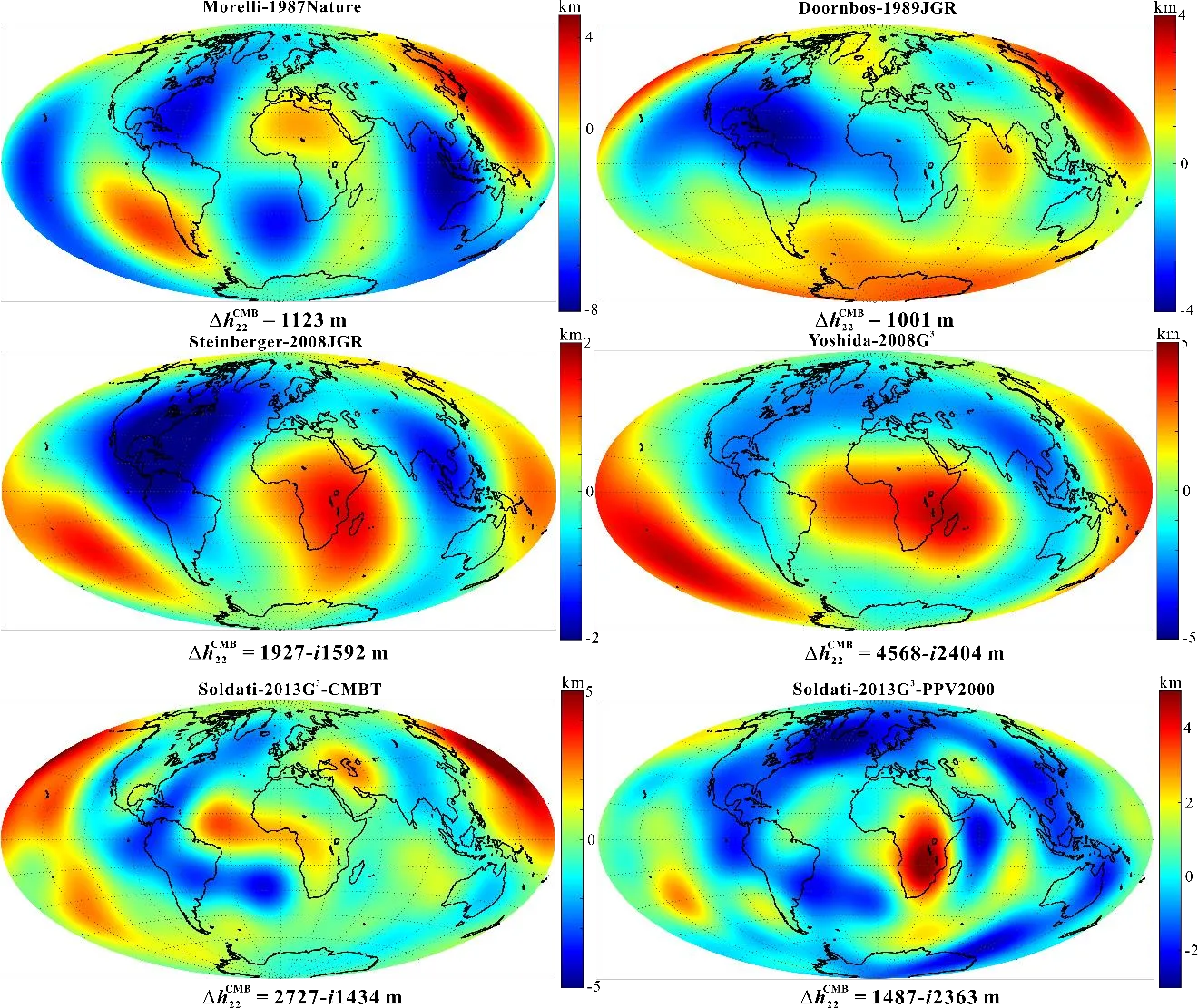
رصدت الأقمار الصناعية المخصصة لقياس الجاذبية أن مجال جاذبية الأرض يتنفس بشكل خافت بفترة تبلغ حوالي ست سنوات. وكأن بندولًا خفيًا يهز الكوكب من الداخل، وكل ست سنوات ينزاح مؤشر الميزان قليلًا. كانت الإشارة نقية إلى حد أنها أمكن فصلها عن ضجيج المحيطات وذوبان الأنهار الجليدية.
بنى مؤلفو الدراسة نموذجًا يربط فيه اللب الداخلي الصلب بالوشاح عبر الجاذبية من خلال اللب الخارجي السائل، مثل ترسين في زيت لزج. عندما يدور اللب قليلًا، يسحب الوشاح معه — والعكس صحيح. وقد أتاحت هذه الرقصة حساب لزوجة اللب الداخلي: حوالي 4.6×$10^{16}$ باسكال·ثانية. للمقارنة: العسل البارد لزوجته حوالي $10^3$ باسكال·ثانية، أما الزجاج في درجة حرارة الغرفة فحوالي $10^{20}$ باسكال·ثانية. أي أن اللب يتدفق أبطأ بمليار مرة من العسل، لكنه مع ذلك يتدفق.
علاوة على ذلك، في قاعدة ما يُسمى المناطق الكبيرة منخفضة السرعة للموجات الزلزالية (وهي "جبال" عملاقة من المادة الساخنة في قاع الوشاح)، تبين أن الكثافة أعلى من المتوسط بنصف في المئة. هذه البنى بحجم القارات تؤثر في كيفية خروج الحرارة من باطن الأرض، والآن يمكن وزنها من خلال بيانات الجاذبية. وهكذا تصبح الأقمار الصناعية التي تحلق على ارتفاع مئات الكيلومترات فوقنا نافذة على عالم على عمق خمسة آلاف كيلومتر.
الملخص الأصلي
كما كتبه المؤلفون، بالإنجليزية arXiv:2606.09296
Constraining the physical properties of Earth's deep interior, particularly the viscosity of the solid inner core and the density structure of large low-velocity provinces (LLVPs), remains a major challenge in geophysics. Here we develop a unified dynamical framework that combines mantle-inner core gravitational coupling (MICG) with torsional oscillations in the fluid outer core and show that their interaction can produce a distinct and testable geodetic signature. Guided by this prediction, we analyze satellite gravity observations together with independent corrections for surface mass variability. We identify a robust approximately 6-year signal in the Stokes coefficient Delta S22, while no corresponding stationary signal is detected in Delta C22. A signal with the same periodicity is independently detected in length-of-day variations (Delta LOD), and the two signals exhibit a near anti-phase relationship. Interpreting this coupled signature within the proposed framework allows us to constrain the inner core viscosity to approximately 4.6 (+/- 1.8) x 10^16 Pa s and the equatorial relief of the inner core boundary to a semi-axis difference of about 200 +/- 70 m. The inversion further indicates mean density anomalies of +5.5 (+/- 0.6) per mil at the base of LLVPs. These results indicate that satellite gravimetry provides a direct observational window into deep-Earth dynamics and the physical properties of Earth's deep interior.
تبلغ درجة حرارة اللب الداخلي للأرض حوالي 5000 درجة مئوية — تقريبًا كحرارة سطح الشمس — لكن بسبب الضغط الهائل يبقى صلبًا ويتدفق ببطء مثل نهر جليدي.