سلك حي من طوب النيكل سريع
في الوحل العكر، بين قطبين كهربائيين، تصطف سلاسل طويلة من البكتيريا — رفيعة مثل كابل مجهري. كل خيط من هذه الخيوط يوصل التيار لمسافة سنتيمتر كامل، وهو ما يعتبر ماراثونًا حقيقيًا للكائنات الدقيقة. السر يكمن في ألياف مدمجة في غلاف الخلايا نفسها: تمر عبرها الكهرباء تقريبًا دون فقدان، كما في سلك نحاسي.
عند النظر داخل الألياف باستخدام الحسابات الكمومية، رأى الباحثون أنها تتكون من أشرطة نانوية — شرائط مسطحة بسماكة جزيء واحد. كل شريط مبني، مثل هرم أطفال، من حلقات نيكل-عضوية متطابقة (يسميها الكيميائيون وحدات NiBiD). تترتب الحلقات بطريقتين: إما مباشرة فوق بعضها البعض (ترتيب AA)، أو بإزاحة، مثل الطوب في الجدار (ترتيب AB). الخيار الثاني تبين أنه أقوى — تنشأ روابط إضافية بين الطبقات، وتمسك ذرات النيكل بخمس "أرجل" بدلاً من أربع.
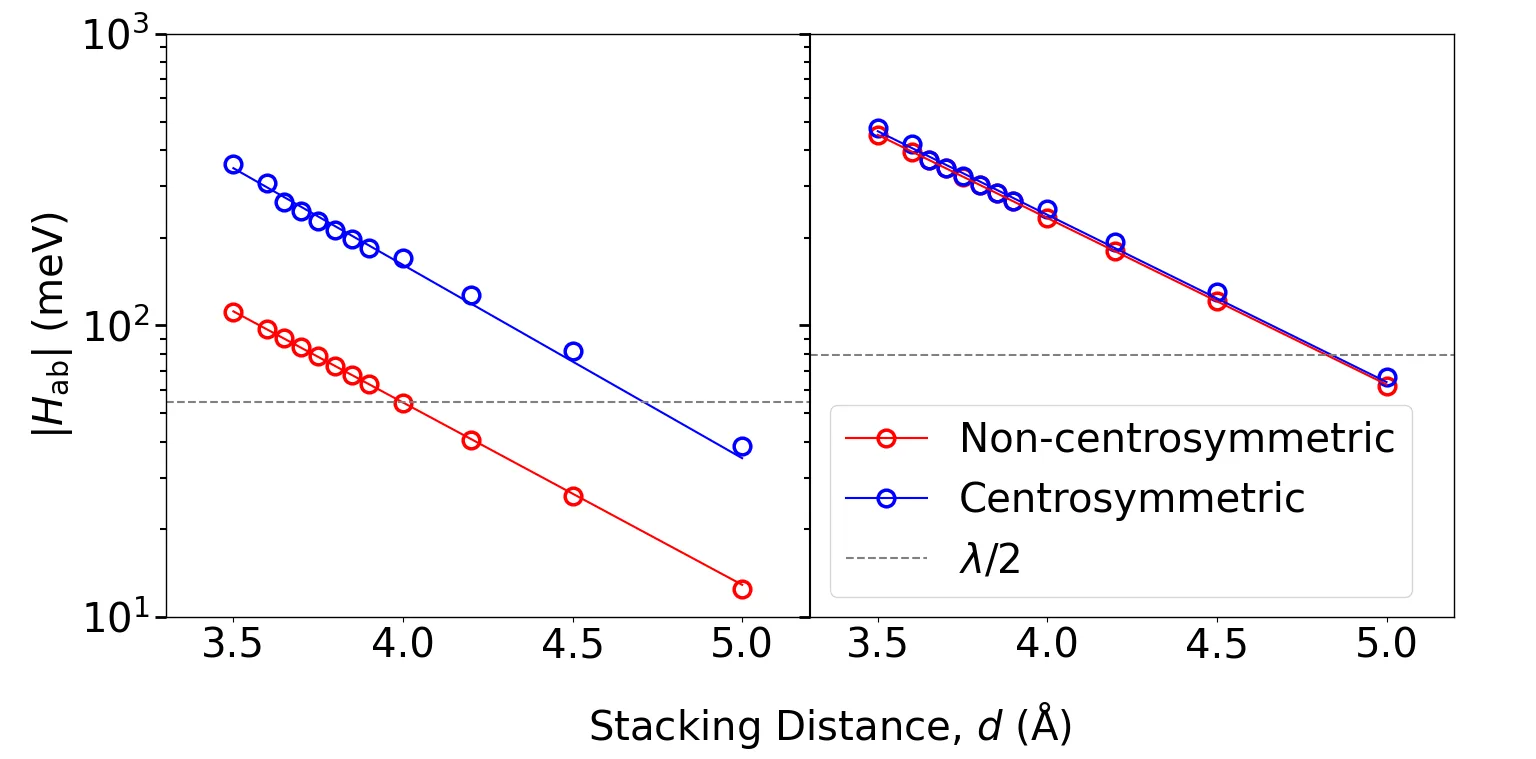
المفاجأة الكبرى هي كيفية حركة الإلكترونات. في الترتيبات الأكثر استقرارًا، تتداخل السحابة الإلكترونية لحلقة مع الحلقة المجاورة بشكل كبير لدرجة أن الشحنة لا تبقى في مكانها، بل تنتشر على طول الشريط بأكمله. هذه ليست قفزات من نقطة إلى أخرى، بل تدفق سلس، تقريبًا كما في المعدن. هذه الآلية بالتحديد تسمح للألياف بتمرير التيار دون ارتفاع حرارة وبأقل خسائر — اكتشاف قيم للموصلات المستقبلية المتوافقة حيويًا.
الملخص الأصلي
كما كتبه المؤلفون، بالإنجليزية arXiv:2606.13117
Cable bacteria are multicellular bacteria capable of centimeter-scale conduction through a regular fiber network embedded in their cell envelope. The conductivity of these fibers is extremely high for biological materials, and rivals that of the best synthetic conductive polymers, but the underlying electron transport mechanism remains elusive. Recent microscopic and spectroscopic evidence indicates that each fiber embeds a bundle of intertwined nanoribbons as the conductive conduit. Each nanoribbon consists of a one-dimensional nickel-organic framework, built from stacked nickel bis(1,2-dithiolene) oligomers (NiBiD units) as molecular building blocks. Here we performed DFT calculations of nanoribbon model structures, in order to characterize their electronic properties, examine potential stacking configurations and verify whether these structures can support efficient conductance. Our simulations indicate that nanoribbons are comprised of tightly stacked AA or AB-type packings of NiBiD units. In the most energetically stable structure (AB-type) some Ni centers are predicted to be 5-fold coordinated due to formation of an inter-layer Ni-S coordination bond. In several energetically low-lying structures, the electronic coupling between neighboring molecules exceeds the critical threshold for charge delocalization permitting efficient charge transport beyond small polaron hopping. Our results hence reveal that nanoribbons based on NiBiD units exhibit favorable charge transfer properties that may explain the unusually high conductivities measured in the fibers of cable bacteria.
البكتيريا الكابلية هي الكائنات متعددة الخلايا الوحيدة المعروفة التي تنقل الإلكترونات عبر أجسامها لمسافات سنتيمترية، وليس عبر أسلاك خارجية.