قام مشروع ExoClock بتحديث بيانات عبور 620 كوكبًا خارجيًا، مما زاد الدقة بمقدار عشرة أضعاف.
📄 معروضة نسخة «بسيط» — «متقدم» غير جاهزة بعد. أضفه إلى المفضّلة للمساعدة في تسريعها.
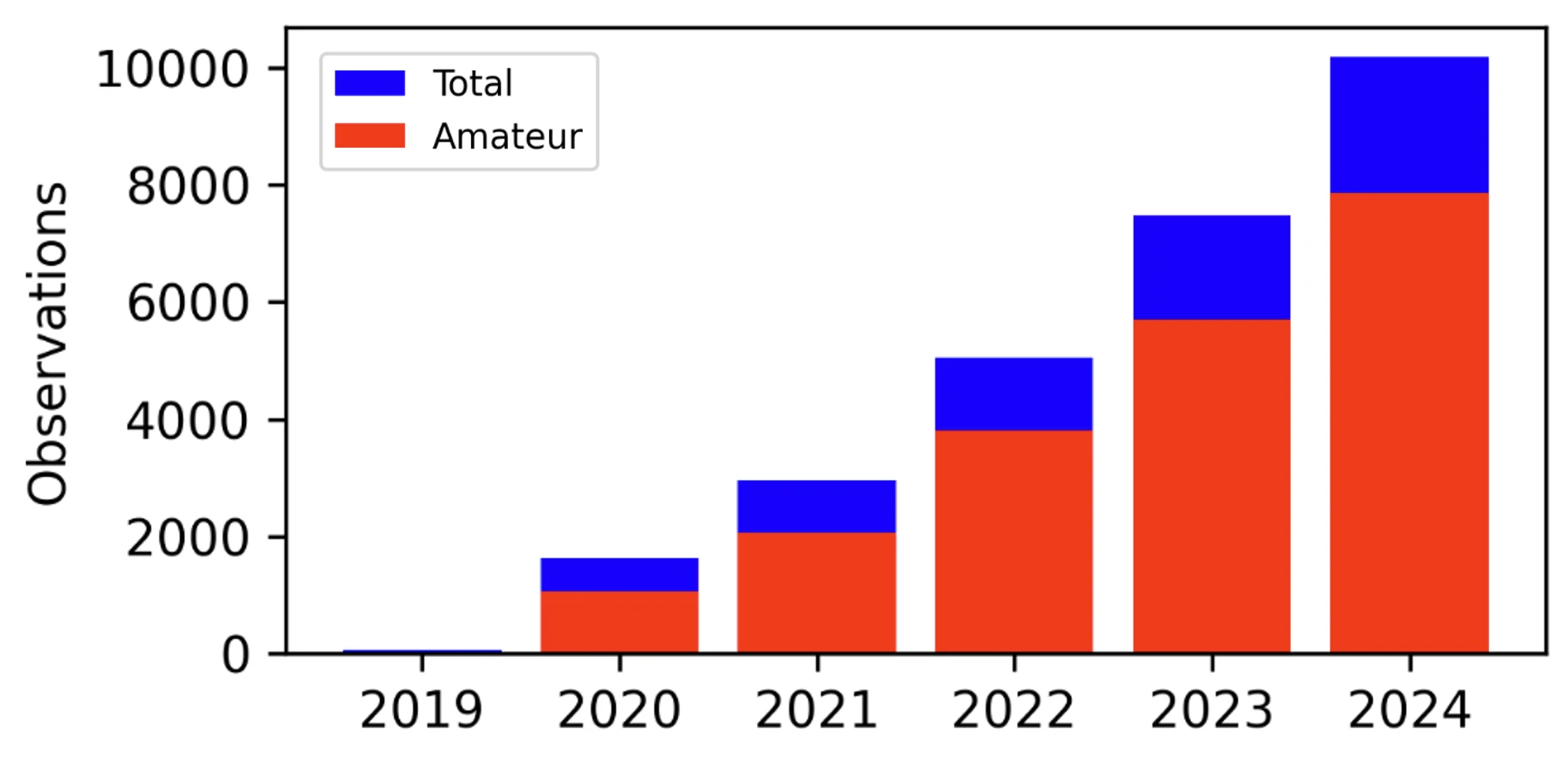
جدول الحافلات ينحرف: إن لم تتحقق منه، ستفوت الرحلة. تعاني الكواكب التي تدور حول نجوم أخرى من المشكلة نفسها، فعبورها عبر القرص النجمي ينزاح تدريجيًا. جمع مشروع ExoClock 30,000 رصدًا من الأرض والفضاء لضبط الجدول الزمني لـ 620 عالمًا بعيدًا. وتبين أن توقيتات العبور لـ 45% من الكواكب قد انحرفت بمقدار ساعات.
أكثرها تقلبًا — 277 هدفًا من مهمة TESS — تمر عبر القرص في دقائق أو تغرق في وهج النجم. لرصدها، قام الفلكيون بمزامنة عشرات التلسكوبات الصغيرة، مثل مصورين يحاولون التقاط ابتسامة في صورة جماعية. النتيجة: بالنسبة لـ 45% من الكواكب، تم تحديث جدول العبور، وزادت دقة توقيت الوصول بمقدار عشرة أضعاف. ويُظهر بعضها تباينات توقيت العبور — حيث تتأرجح بشكل دوري بفعل جاذبية خفية لجيرانها، مما يكشف عن عوالم خفية.
ورشة مفتوحة: جميع البيانات والأدوات متاحة للجميع — من العلماء إلى طلاب المدارس.
الآن سيتمكن جيمس ويب وغيره من العمالقة من تخطيط عمليات الرصد بدقة فائقة، وعدم تفويت اللحظة التي يظهر فيها الكوكب لدراسة غلافه الجوي.
The ExoClock project is an open platform aiming to monitor exoplanets by integrating observations from space and ground based telescopes. This study presents an updated catalogue of 620 exoplanet ephemerides, integrating 30000 measurements from ground-based telescopes (the ExoClock network), literature, and space telescopes (Kepler, K2 and TESS). The updated catalogue includes 277 planets from TESS which require special observing strategies due to their shallow transits or bright host stars. This study demonstrates that data from larger telescopes and the employment of new methodologies such as synchronous observations with small telescopes, are capable of monitoring special cases of planets. The new ephemerides show that 45% of the planets required an update while the results show an improvement of one order of magnitude in prediction uncertainty. The collective analysis also enabled the identification of new planets showing TTVs, highlighting the importance of extensive observing coverage. Developed in the context of the ESA's Ariel space mission, with the goal of delivering a catalogue with reliable ephemerides to increase the mission efficiency, ExoClock's scope and service have grown well beyond the remit of Ariel. The ExoClock project has been operating in the framework of open science, and all tools and products are accessible to everyone within academia and beyond, to support efficient scheduling of future exoplanet observations, especially from larger telescopes where the pressure for time allocation efficiency is higher (Ariel, JWST, VLT, ELT, Subaru etc). The inclusion of diverse audiences in the process and the collaborative mode not only foster democratisation of science but also enhance the quality of the results.