موجات الجاذبية للكون المغلي: طريقة جديدة دقيقة سريع
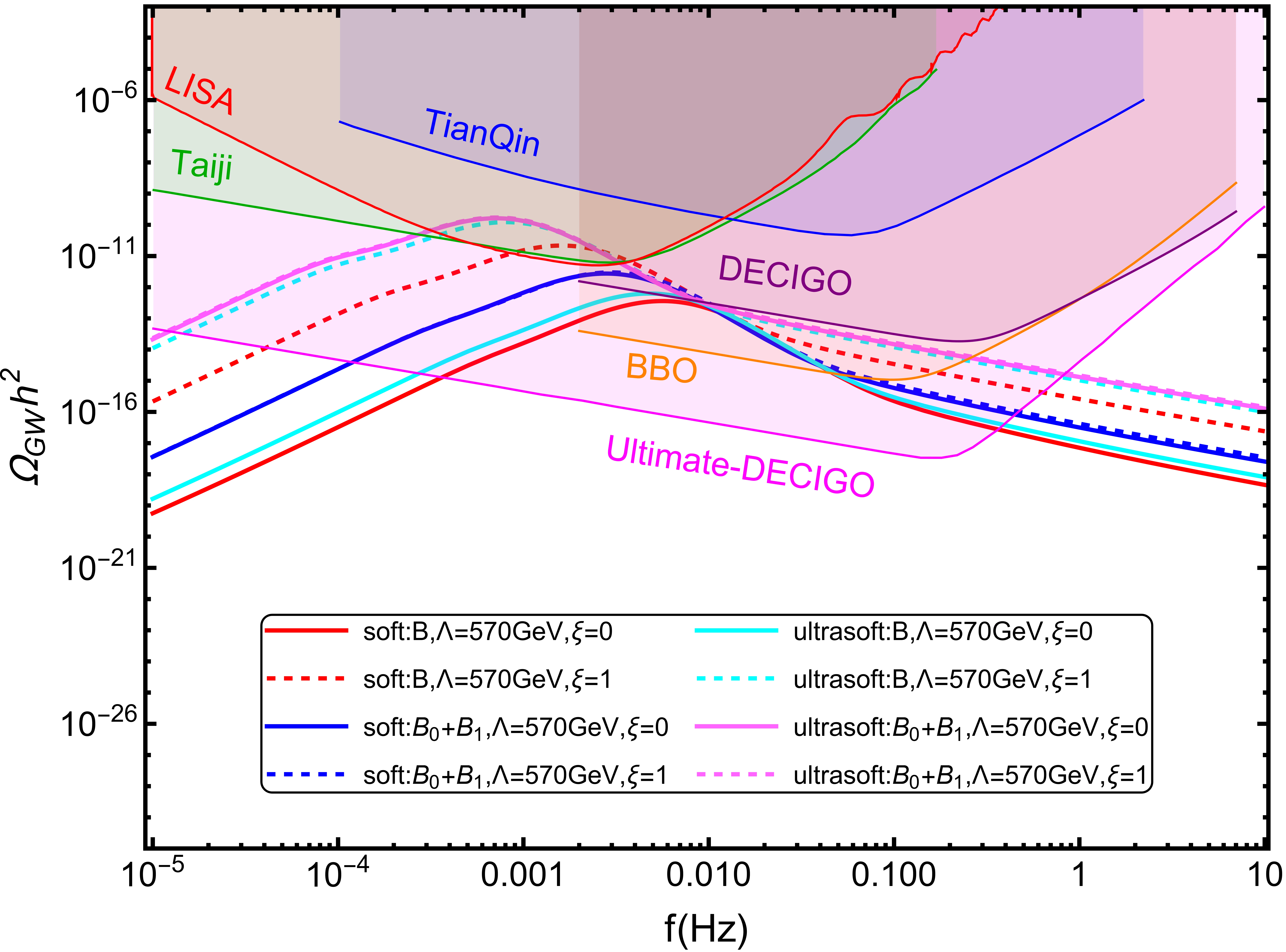
في الكون الرضيع، بعد الانفجار العظيم مباشرة، كان الفضاء يتمدد بسرعة هائلة، وكان الفراغ يشبه سائلًا فائق التسخين. عندما بدأ «الغليان»، ظهرت فقاعات من الفراغ الحقيقي. ومع تمددها بسرعة الضوء، أطلقت موجات جاذبية — ارتعاشًا في نسيج الفضاء نفسه، وصل إلينا.
المشكلة أن الحسابات القديمة لهذه الموجات كانت تعتمد على اختيار الإحداثيات، مثل ظل المصباح. استخدم الباحثون حيلة رياضية من فيزياء النيوترينو — متطابقة نيلسن — وتخلصوا من هذا الغموض. الآن، في إطار النموذج القياسي للجسيمات الأولية، يُوصف ولادة الفقاعات بشكل موحد.
هذه الطريقة ستسمح بإعادة بناء إشارة الغليان الكوني بدقة أكبر، وربما سماع صدى بداية الكون.
الملخص الأصلي
كما كتبه المؤلفون، بالإنجليزية arXiv:2601.05793v1
The vacuum decay in the early Universe should be gauge-invariant. In this work, we study the gauge dependence of the vacuum decay occurring through a first-order phase transition and the associated gravitational wave production. We investigate the gauge dependence of the bubble nucleation and phase transition parameters within the framework of the Standard model effective field theory in three dimension. By considering the power-counting and utilizing the Nielsen identity at finite temperature, we show that, depending on the power-counting scheme favored by the new physics scale, the perturbative computation methodology allow we get the gauge-independent nucleation rates and phase transition, this enables more accurate predictions of gravitational wave signatures.
إذا تخيلنا كوننا كبالون ضخم منفوخ، فإن موجات الجاذبية الناتجة عن «الغليان» القديم هي اهتزازات مجهرية على سطحه، تلتقطها أجهزة حساسة لإزاحات أصغر بآلاف المرات من الذرة.