غبار النجوم: لماذا يصدر صوتًا مختلفًا عما توقعناه؟ سريع
الغبار الكوني ليس أوساخًا، بل حبيبات دقيقة للغاية تشبه السخام الناتج عن النار، لكنها متناثرة بين النجوم. بعضها يدور بسرعة هائلة، ملايين المرات في الثانية، ويصدر أثناء ذلك موجات راديوية ضعيفة. يطلق علماء الفلك على هذا اسم "الانبعاث الميكروي الشاذ" (anomalous microwave emission) — فهو يعيق دراسة الكون المبكر، لكنه في حد ذاته لغز محيّر.
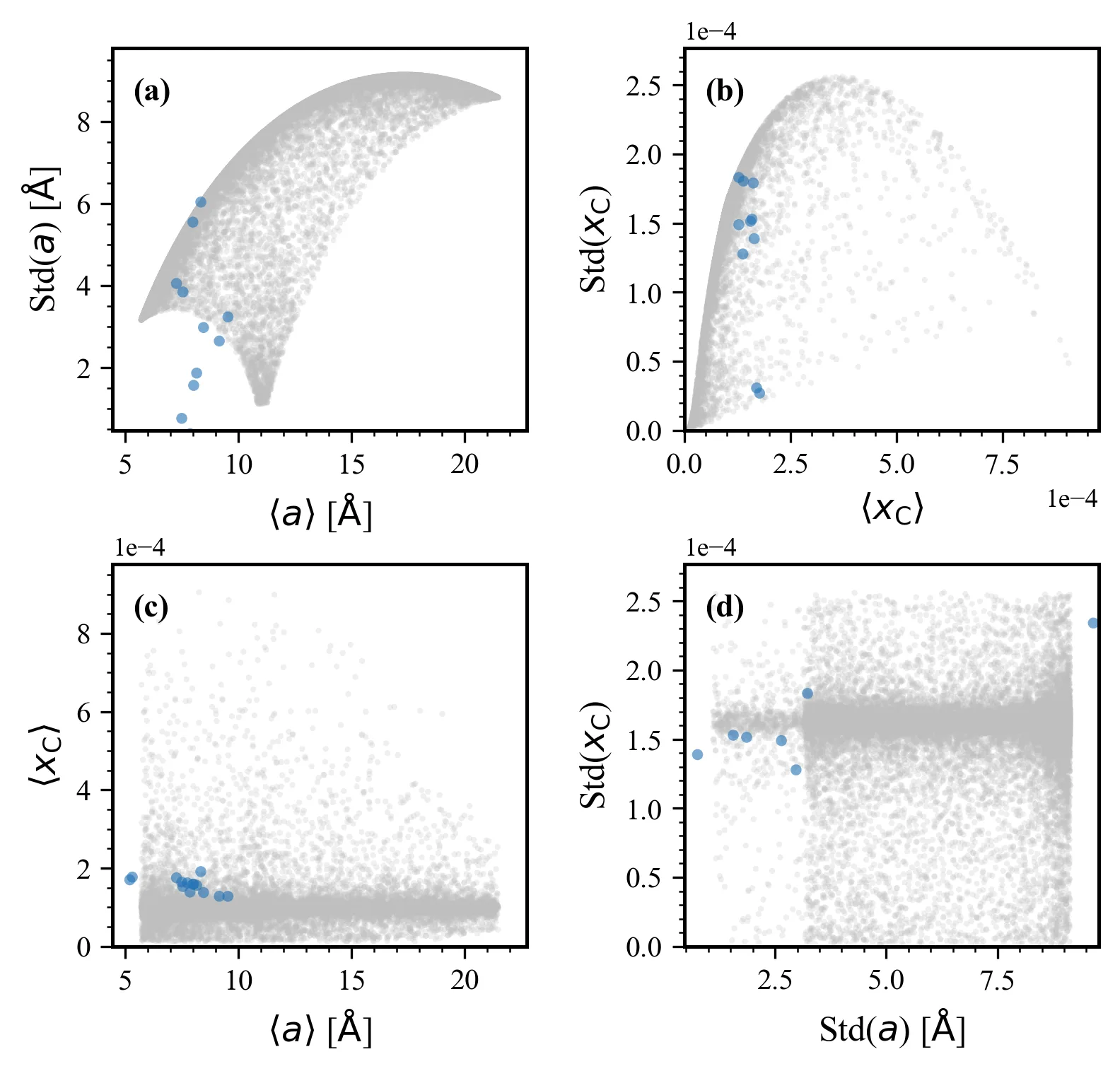
اختبر مؤلفو الدراسة الجديدة ما الذي يؤثر أكثر على ارتفاع وعرض هذا الصوت الراديوي. واتضح أن الأهم هو حجم الحبيبة وشكلها والبيئة المحيطة بها. في السحب الغازية الباردة والمظلمة، يتوافق كل شيء مع الملاحظات. أما في المناطق الساطعة حول النجوم الحارة، حيث يتوهج الهيدروجين باللون الوردي، فالتباين كبير. ويبدو أن الحبيبات الصغيرة هناك تتحطم ببساطة — تحترق مثل الورق في الفرن. عندها، يكون التوهج الذي تلتقطه التلسكوبات قادمًا في الواقع من السحب المجاورة الأكثر هدوءًا.
لفهم الأمر، يقترح العلماء طريقة تحليل جديدة: تفكيك الطيف إلى مكوناته، وباستخدام نماذج حاسوبية، تحديد مجموعة الحبيبات التي قد تنتج هذه الإشارة بسرعة. الأمر يشبه تخمين عدد الكمانات والأبواق التي عزفت من خلال سماع صوت الأوركسترا.
الملخص الأصلي
كما كتبه المؤلفون، بالإنجليزية arXiv:2601.06270
Recent observations of anomalous microwave emission (AME) reveal spectral features that are not readily reproduced by spinning dust models. We examine how dust grain distributions and environmental parameters determine the peak frequency and spectral width of AME spectral energy distribution (SED). Using Monte Carlo sampling and global sensitivity analysis, we find that AME features are dominantly controlled by three parameters: grain size, shape, and a phase-dependent environmental parameter. We also quantify the effects of SED broadening from ensembles of these dominant parameters, finding that the level of tension with observations is strongly phase dependent: Molecular Cloud (MC) is fully consistent, Dark Cloud (DC) shows minor deviations, and HII regions exhibit significant offsets in peak frequency. The discrepancy in HII echoes the observed depletion of small dust grains, particularly polycyclic aromatic hydrocarbons (PAHs), in HII regions. However, an observational HII region may still have AME originating from nearby non-HII clouds. In this case, model calculations for HII regions would be inappropriate. Reproducing MC and DC AME features requires ensemble variations in both grain size and environmental parameters are required to reproduce the observed spread in peak frequency and spectral width. We further propose moment expansion and emulation-based inference methods for future AME spectral analysis.
يمكن لحبيبات الغبار في الفضاء أن تدور حتى مليار دورة في الثانية — أسرع من أي محرك صنعه الإنسان.