الأكسجين من الماء: كيف تجمعه النباتات ذرةً ذرة سريع
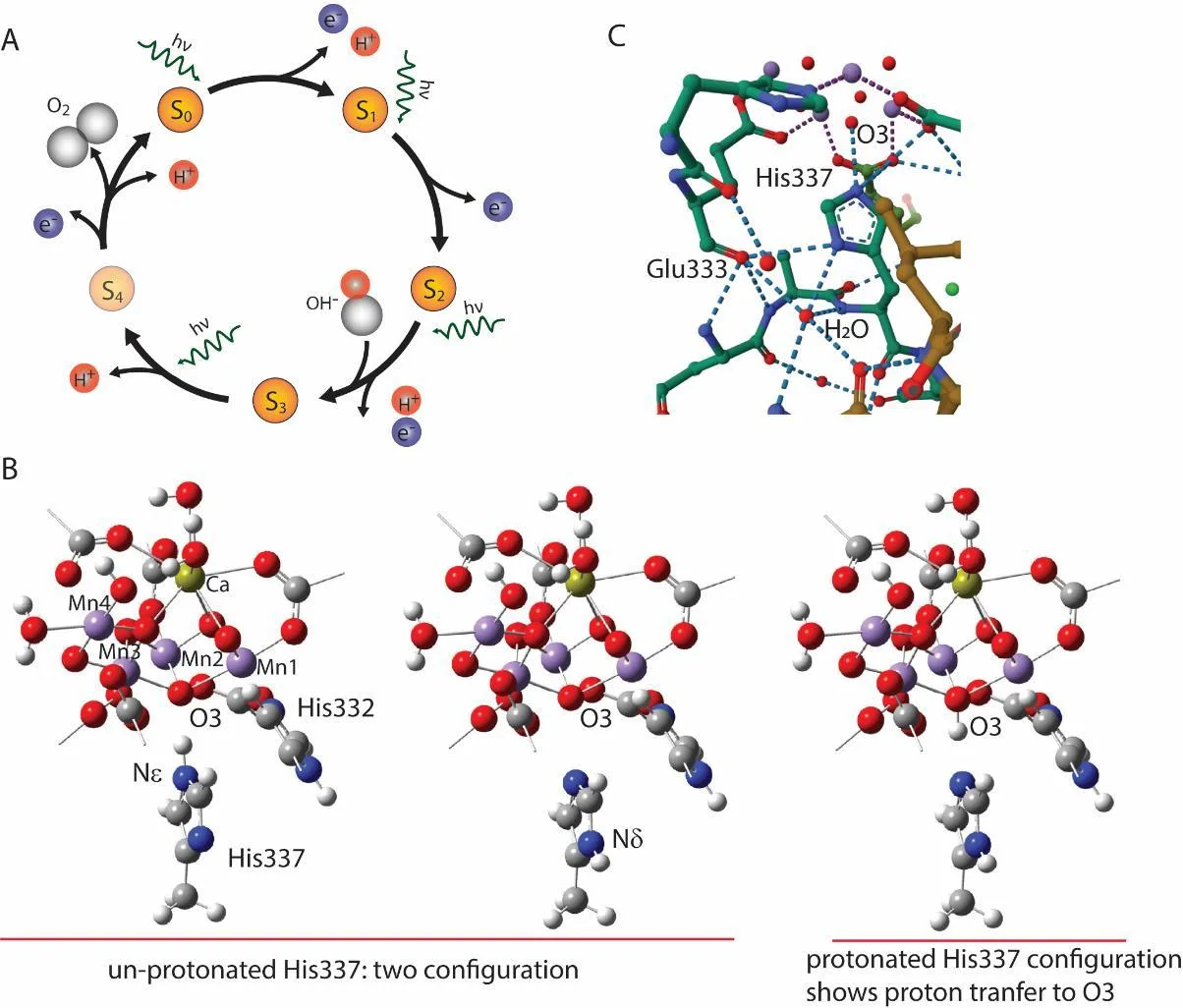
في كل ورقة، تحت الضوء، يعمل مصنع يفكك الماء إلى أكسجين وهيدروجين. الأكسجين يخرج إلى الهواء الذي نتنفسه، بينما يستخدم النبات الهيدروجين لغذائه. قلب هذا المصنع مركب بروتيني يحوي أربع ذرات منغنيز وذرة كالسيوم واحدة. هناك تحديدًا يفقد الماء إلكتروناته ويتحول إلى أكسجين.
ظل لغزًا كيف تلتقي ذرتا أكسجين كانتا في جزيئي ماء مختلفين وتترابطان. العمل الجديد يقترح السيناريو التالي: ذرة أكسجين (لنسمها O3) تأتي من جزيء ماء وتستقر بجوار المنغنيز. أما الذرة الثانية (O6) فالبروتين يُمسك بها جاهزة. عندما يصل الضوء، تقفز الإلكترونات وتقترب الذرتان. تنشأ الرابطة بينهما مثل سحّاب: يلتقي النصفان وتتشابك الأسنان.
هذا المسار لتكوين الرابطة أكثر كفاءة من حيث الطاقة من المسار الذي كان يُعتقد سابقًا أنه الرئيسي. بدل انتظار أن تجد ذرتا الأكسجين بعضهما في غرفة ضيقة، يقود البروتين إحداهما إلى الموضع الصحيح ويُمسك بها حتى تصل الأخرى. يشبه تركيب الأثاث: تضع القطعة في التجويف ثم تثبّت الثانية.
فهم هذه الآلية مهم لبناء أنظمة اصطناعية تنتج الأكسجين أو وقودًا نظيفًا من الماء وضوء الشمس. إذا تعلمنا تكرار هذه الحيلة، فسنتمكن من بناء مصانع تشبه الورقة لكن أكثر كفاءة.
الملخص الأصلي
كما كتبه المؤلفون، بالإنجليزية arXiv:2601.14273
Light driven oxygen formation in Photosystem II protein is a fundamental process that sustains our biosphere and serves as a blue print to future clean energy solutions due to its high energy conversion efficiency. Last decade of intense research by advanced physical techniques delivered new insights on the structure and function of the Mn4CaO5 cluster a center of the oxygen evolving complex (OEC). However, discrepancies in experimental observations and computational models persist impeding the understanding of the O-O bond formation and the role of the protein environment in the process. Here we show that i) assignment of the OEC unique oxygen O3 ligated by histidine (His337) via dynamic H-bond as a slow exchanging substrate and ii) its coupling with O6 oxygen generated at Mn1 in the S2 to S3 transition give the O-O bond formation mechanism most consistent with all currently available experimental data. Proposal shows how protein environment can steer the O-O bond formation by charge control via H-bond and open coordination of Mn1. Obtained O3-O6 peroxide is at lower energy than peroxides in the most studied O5-O6 bond formation pathway. His337 appears to be similar to distal His in globins used for management of the O2 and H2O2 intermediates. The new mechanism breaks the prior impasse and will undoubtedly invigorate future detailed studies uncovering its further details.
تنتج النباتات كل عام حوالي 300 مليار طن من الأكسجين. هذا يعادل وزن جميع سكان الأرض مضروبًا في 40.