طبقات توصل الحرارة بطرق مختلفة سريع
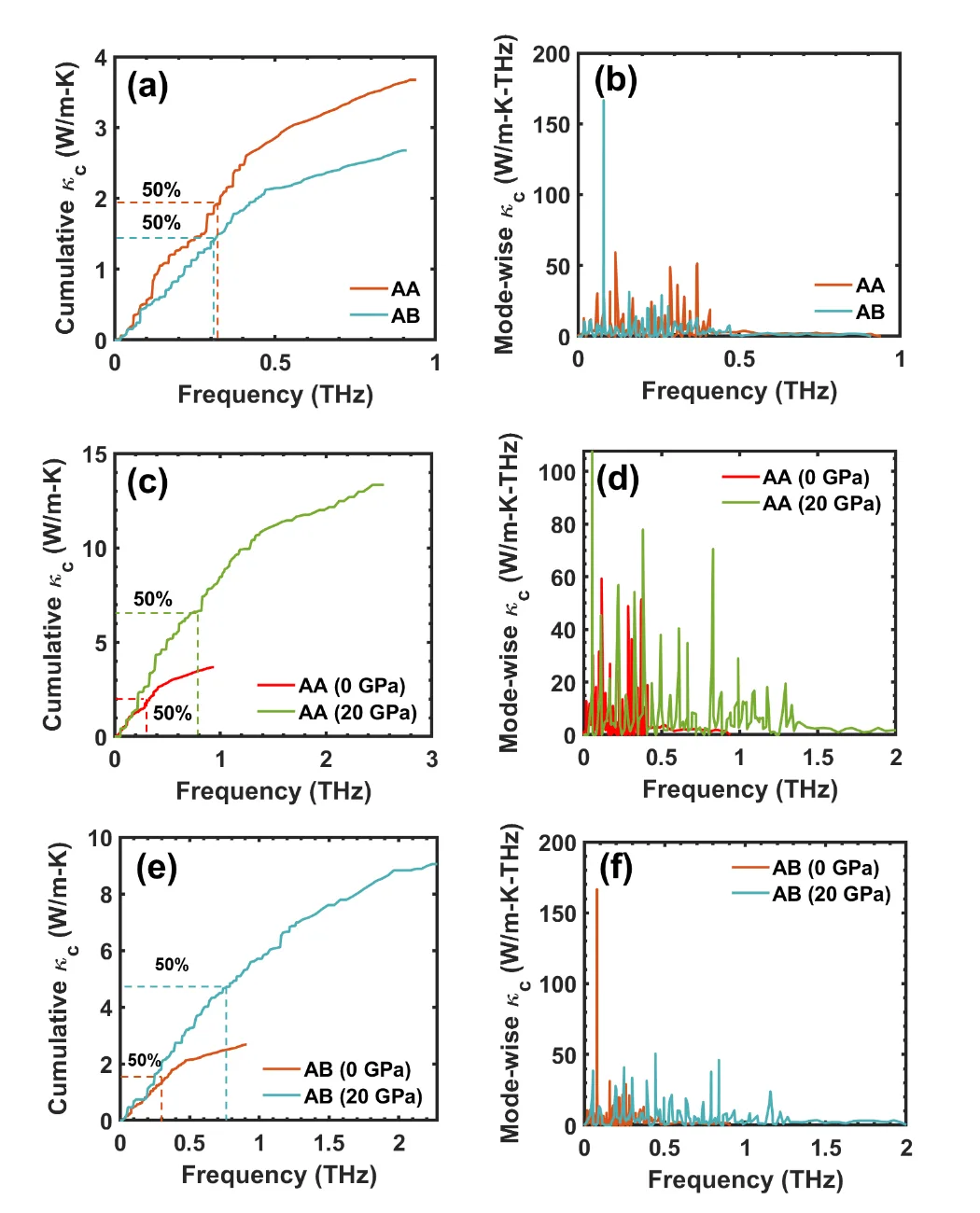
الحرارة في المواد الرقيقة ذات الطبقات تنتقل بشكل سيء — مثل حشد في ممر ضيق. في بلورة ReS2، تكون الطبقات فوق بعضها البعض، ويمكن للحرارة أن تمر عبرها. قاس العلماء مدى سرعة حدوث ذلك، ووجدوا أمرًا غير متوقع: إذا كانت الطبقات متراصة واحدة فوق الأخرى تمامًا، فإن الحرارة تمر بسرعة تقارب الضعف مقارنة بحالة الانزلاق.
ترتيب الطبقات يعمل كمرشح: في الترتيب المنتظم، تعيش اهتزازات الذرات لفترة أطول وتنقل حرارة أكثر. هذا يشبه صفًا من الجنود يسيرون بخطى متوازنة — قلة التزاحم، وسرعة في الحركة. عند انزلاق الطبقات، يختل الصف، وتتبدد الحرارة.
الآن يمكن للمهندسين التحكم في التسخين في الإلكترونيات الرقيقة بمجرد تغيير ترتيب الطبقات. هذا مثل اختيار مدى اتساع الممر للحرارة.
الملخص الأصلي
كما كتبه المؤلفون، بالإنجليزية arXiv:2602.15002
Cross-plane heat transport is a critical bottleneck for van der Waals (vdW) electronics, yet its microscopic governing principles remain elusive. We demonstrate that stacking order is an effective control knob for cross-plane phonon transport in multilayer Rhenium Disulfide (ReS2). Thickness-dependent thermal conductivity measurements reveal remarkably long cross-plane phonon mean free paths (MFPs) (>= 200-300 nm) and provide a direct experimental observation of the transition from quasi-ballistic transport to a thickness-independent ballistic limit. AA stacking exhibits nearly double the cross-plane thermal conductivity of AB stacking, driven by longer acoustic phonon lifetimes from a more "coherent" interlayer registry. Integrated deep neural-network molecular dynamics reveals that phonon filtering in ReS2 is fundamentally frequency-selective: weak vdW coupling acts as a low-pass filter, whereas stronger coupling broadens the transmission passband. These results establish ReS2 as a model system where stacking order and interlayer coupling can be engineered to tune heat conduction across diffusive, quasi-ballistic, and ballistic regimes, offering a new framework for thermal management in 2D electronics.
الحرارة في ReS2 تمر عبر الطبقات تقريبًا كما لو كانت في ممر مستقيم — الفونونات تقطع مئات النانومترات دون تصادم.