عدسة وحيدة الخلية: كيف تخلط الطحالب بين الضوء والظل سريع
طحلب أخضر صغير يُدعى الكلاميدوموناس يقضي حياته كلها مجذفًا بسوطين نحو الضوء، مثل سباح يتجه نحو الشاطئ. يستشعر الضوء عبر بروتين مستقبل ضوئي، وخلفه توجد بقعة حمراء صغيرة — "عين" تلقي بظل وتساعد على تحديد مصدر الضوء. لكن في الطفرات التي تفتقر إلى هذه البقعة، ينعكس السلوك: فهي تسبح بعيدًا عن الضوء رغم أن البروتين موجود. لماذا؟
قبل عشر سنوات لاحظ العلماء أن الجسم الكروي للطحلب يعمل بحد ذاته كعدسة مكبرة. الضوء، عند مروره عبر الخلية، يتجمع في نقطة ساطعة خلفها، مثل شعاع شمسي ينعكس عن كرة زجاجية. في الطحلب الطبيعي، تحجب العين هذه النقطة، أما في الطافر فتضرب مباشرة المستقبل الضوئي من الخلف. النتيجة: إشارتان — ضوء مباشر ضعيف من الأمام وضوء مركز قوي من الخلف. يدور الطحلب حول محوره، فتتبادل الإشارتان.
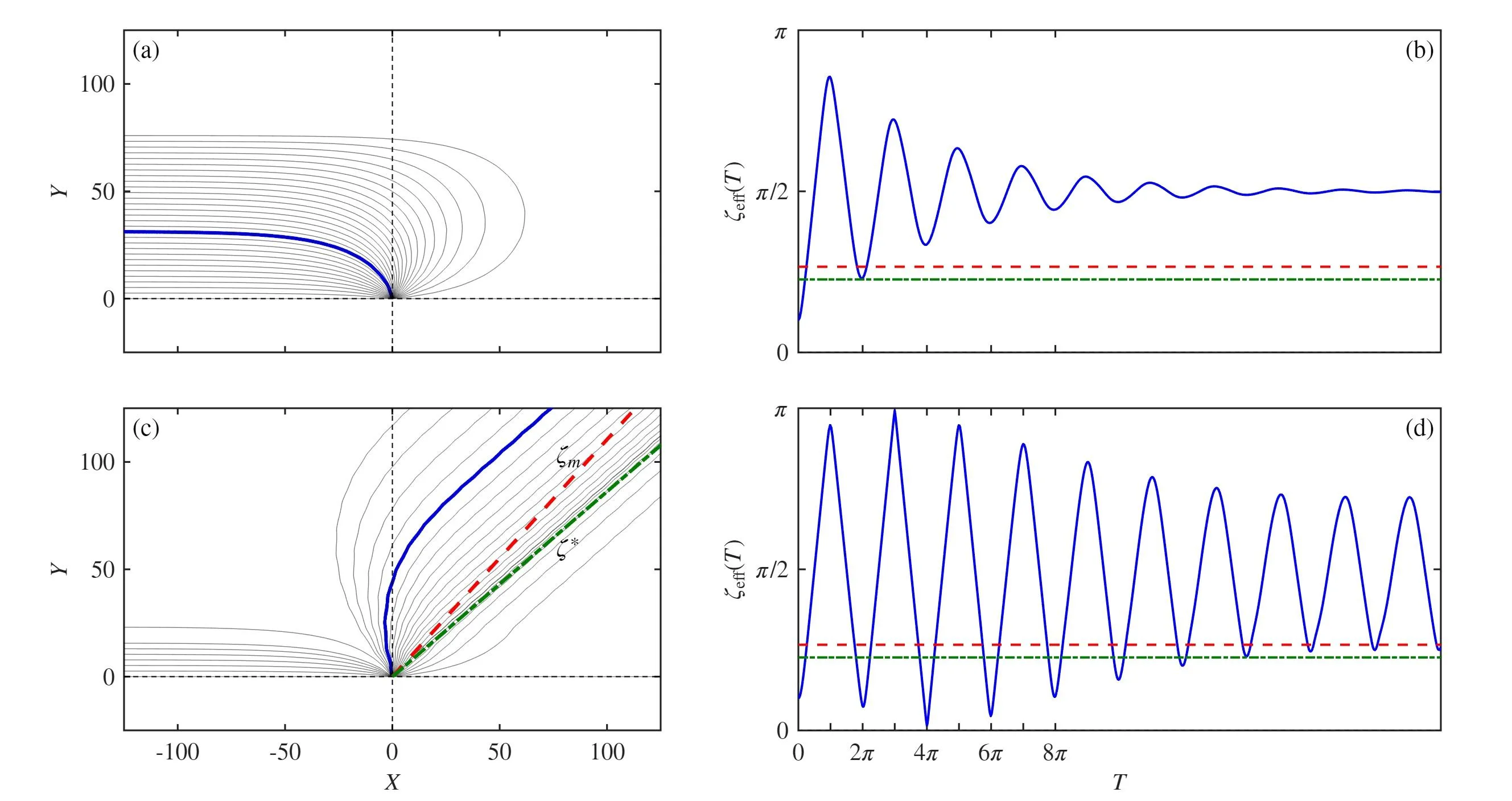
لا تستجيب الخلية لقوة الضوء بل لسرعة تغيره — مثل شخص ينتبه لخشخشة مفاجئة لا لطنين ثابت. الإشارة المركزة الحادة تقاطع الإشارة المباشرة الناعمة، فيصدر السوطان أمرًا "اجدف بعيدًا عن الضوء". هكذا يسبح الطافر بلا عين في الاتجاه المعاكس. النموذج يتنبأ أيضًا بشيء آخر: في ظروف معينة، قد يتأرجح الطحلب بين اتجاهين مثل بندول، غير حاسم أين يسبح. يمكن اختبار ذلك بمراقبة الخلايا المفردة تحت المجهر.
هكذا تتحول عدسة بسيطة داخل خلية حية إلى مفتاح للسلوك. خطأ في بقعة صبغية واحدة — وتتعطل الملاحة كلها، مثل بوصلة اختلط فيها الشمال بالجنوب.
الملخص الأصلي
كما كتبه المؤلفون، بالإنجليزية arXiv:2603.10986
Phototaxis of many species of green algae relies upon directional sensitivity of their membrane-bound photoreceptors, which arises from the presence of a pigmented "eyespot" behind them that blocks light passing through the cell body from reaching the photoreceptor. A decade ago it was discovered that the spherical cell body of the alga $$Chlamydomonas~reinhardtii$$ acts as a lens to concentrate incoming light, and that in "eyeless" mutants of $$Chlamydomonas$$ the consequence of that focused light reaching the photoreceptor from behind is a reversal in the sign of phototaxis relative to the wild type behavior. We present a quantitative theory of this sign reversal by completing a recent simplified analysis of lensing [Yang, et al., Phys. Rev. E 113, 022401 (2026)] and incorporating it into an adaptive model for $$Chlamydomonas$$ phototaxis. This model shows that phototactic dynamics in the presence of lensing is subtle because of the existence of internal light caustics when the cellular index of refraction exceeds that of water. During each period of cellular rotation about its body-fixed axis, the photoreceptor receives two competing signals: a relatively long, slowly-varying signal from the direct illumination, and a stronger, shorter, rapidly-varying lensed signal. The reversal of the sign of phototaxis is then a consequence of the dominance of the flagellar photoresponse to the signal with the higher time derivative. These features lead to a quantitative understanding of phototaxis sign reversal, including bistability in the direction choice, a prediction that can be tested in single-cell tracking studies of mutant phototaxis.
الكلاميدوموناس من أسرع السباحين بين الكائنات وحيدة الخلية: يمكنها أن تقطع في ثانية واحدة مسافة تعادل عشرة أضعاف طول جسمها.