وكيل ذكاء اصطناعي أجرى تحليلًا فيزيائيًا بنفسه سريع
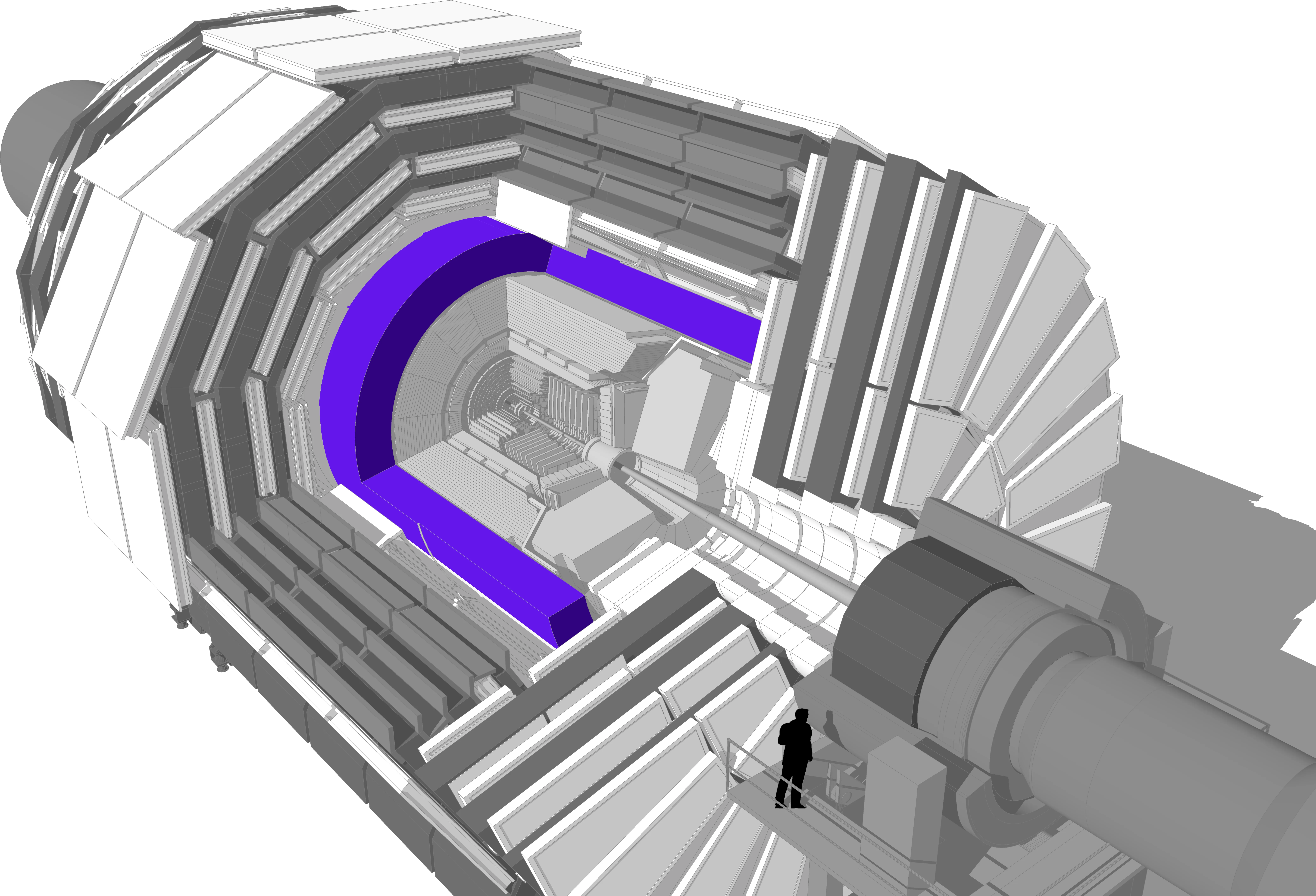
الفيزيائي الذي يحلل اصطدامات الجسيمات يقضي عادةً أسابيع في عمل ممل: تنظيف البيانات من الضوضاء، وتقدير عدد الإشارات الكاذبة التي قد تتسرب، والتحقق من كل رقم. الآن يمكن إسناد هذه الروتينات إلى برنامج. أعطى الباحثون Claude Code — وهو نموذج لغوي كبير — مجموعة بيانات من كاشفات ALEPH وDELPHI وCMS، وأدوات للمعالجة، ومجلدًا يحتوي مقالات قديمة. ومن ثم عمل البرنامج بمفرده.
في البداية، انتقى البرنامج الأحداث المطلوبة — مثل طاهٍ يختار من كومة كبيرة من المكونات الخضروات الطازجة فقط لصنع الحساء. ثم قدّر الخلفية: كم مرة قد يخطئ الكاشف ويسجل ضوضاء عشوائية بدلًا من جسيم حقيقي. احتسب الأخطاء، وتحقق من الإحصاءات، وكتب مسودة المقال. إحدى النتائج هي قياس اضمحلال بوزون هيغز إلى لبتونات تاو باستخدام بيانات CMS. والنتيجة الأخرى هي أول تحليل في التاريخ لمستوى لوند (Lund plane) على بيانات LEP، لم ينشره أحد من قبل.
أطلق المؤلفون على إطار عملهم اسم Just Furnish Context — «فقط وفّر السياق». الفكرة بسيطة: لا حاجة لشرح كل خطوة للوكيل، يكفي وضع البيانات والأدوات والمقالات أمامه. بعدها سيفهم بنفسه ما يجب فعله. هذا مثل إعطاء متدرب مفاتيح المختبر ومكتبة: سيتدبر الأمر إذا كانت المواد جيدة.
بالطبع، لا أحد يقول إن الفيزيائيين سيبقون بلا عمل. على العكس: بتحررهم من الروتين، سيتمكن العلماء من التفكير في أفكار جديدة، وابتكار طرق، والتحقق مما إذا كانت الآلة قد أخطأت. لكن يجب إعداد الطلاب لهذا الواقع الآن — تعليمهم ليس فقط كتابة الأكواد يدويًا، بل أيضًا إدارة المساعدين الأذكياء.
الملخص الأصلي
كما كتبه المؤلفون، بالإنجليزية arXiv:2603.20179
Large language model-based AI agents are now able to autonomously execute substantial portions of a high energy physics (HEP) analysis pipeline with minimal expert-curated input. Given access to a HEP dataset, an execution framework, and a corpus of prior experimental literature, we find that Claude Code succeeds in automating all stages of a typical analysis: event selection, background estimation, uncertainty quantification, statistical inference, and paper drafting. We argue that the experimental HEP community is underestimating the current capabilities of these systems, and that most proposed agentic workflows are too narrowly scoped or scaffolded to specific analysis structures. We present a proof-of-concept framework, Just Furnish Context (JFC), that integrates autonomous analysis agents with literature-based knowledge retrieval and multi-agent review, and show that this is sufficient to plan, execute, and document a credible high energy physics analysis. We demonstrate this by conducting analyses on open data from ALEPH, DELPHI, and CMS to perform electroweak, QCD, and Higgs boson measurements. We present two of those results in a condensed short paper form -- a CMS Run1 Open Data $$H\to \tau^+\tau^-$$ to demonstrate performance on a well-established result, and the first Lund plane measurement on LEP data -- a genuinely novel result and, to our knowledge, the first produced autonomously by an AI agent. Rather than replacing physicists, these tools promise to offload the repetitive technical burden of analysis code development, freeing researchers to focus on physics insight, truly novel method development, and rigorous validation. Given these developments, we advocate for new strategies for how the community trains students, organizes analysis efforts, and allocates human expertise.
التحليل الجديد لمستوى لوند على بيانات LEP أُنجز دون تدخل بشري — فقط بواسطة وكيل يعتمد على نموذج لغوي كبير.