الرائحة ليست صيغة واحدة سريع
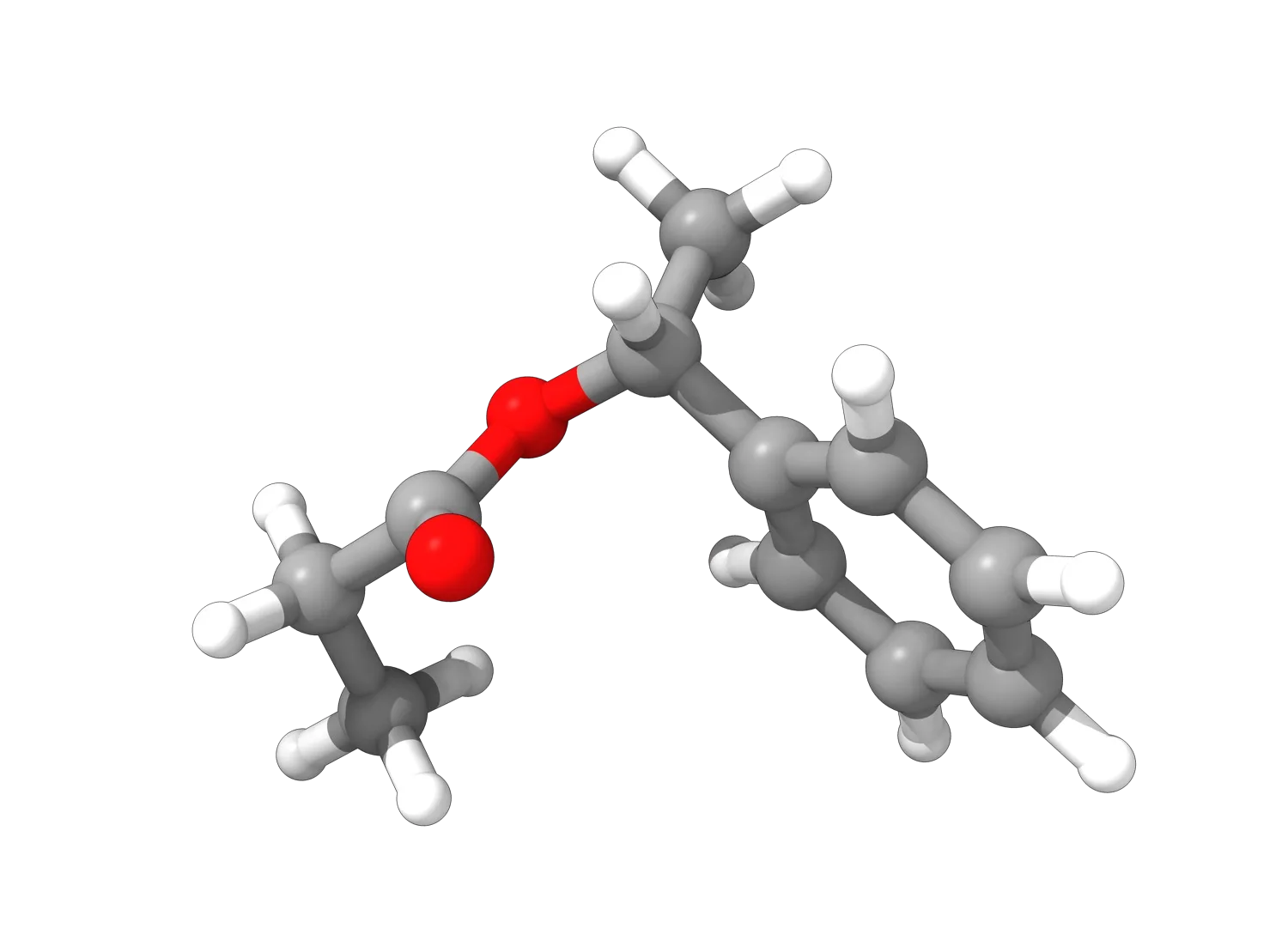
الأنف جهاز مذهل. جزيء قهوة واحد، عندما يدخل إلى فتحة الأنف، يوقظ ذكرى مطبخ الصباح. وجزيء آخر، شبهه في الشكل تقريبًا، تفوح منه رائحة البيض الفاسد. كيف يميز الدماغ بين هذه المفاتيح غير المرئية؟
طالما اختلف العلماء: هل تعتمد الرائحة على شكل الجزيء، مثل المفتاح في القفل، أم على اهتزازاته، مثل وتر يُنقر عليه؟ دراسة جديدة اختبرت ذلك على الحاسوب. درّبوا برنامجًا على آلاف الجزيئات، وحسبوا لكل منها الشكل والاهتزازات والخصائص الكهربائية. ثم سألوا: ما الخصائص المهمة لرائحة الزهور، وما الخصائص المهمة لرائحة الاحتراق؟
كانت الإجابة مفاجئة: لا توجد قاعدة واحدة. فبعض الروائح يعتمد على الشكل، وبعضها على الاهتزازات، وبعضها الآخر على الشحنة الكهربائية. كل رائحة تستخدم مجموعتها الخاصة من المفاتيح. الأمر كما لو أن قفلًا واحدًا يُفتح بشكل المفتاح، وباهتزازه، وبمجاله المغناطيسي — اعتمادًا على نوع القفل.
هذا الاكتشاف يساعدنا على فهم لماذا تشمّ الجزيئات نفسها بشكل مختلف لدى أشخاص مختلفين. ولماذا لا يزال صانعو العطور غير قادرين على توقع رائحة مادة جديدة دون تجربتها. الأنف ليس قفلًا بسيطًا، بل أوركسترا كاملة، حيث يعزف كل آلة دوره الخاص.
الملخص الأصلي
كما كتبه المؤلفون، بالإنجليزية arXiv:2604.09758
Understanding how molecular structure gives rise to odor perception remains a long-standing challenge, with ongoing debate over whether olfaction is primarily governed by molecular shape, vibrational properties, or their interplay at the level of olfactory receptors. Here, we ask whether different odors rely on common molecular determinants or instead emerge from distinct physicochemical regimes. Using interpretable machine-learning models trained on molecular descriptors derived from first-principles calculations that span electronic, vibrational, and structural properties, we analyze feature contributions for odor categories and their associated receptors. We find that no single descriptor class universally dominates odor prediction; instead, different odors exhibit strongly odor-specific patterns of feature importance, with substantial variability across physicochemical domains. This heterogeneity is consistent across different models, suggesting that a universal encoding scheme does not capture odor perception but reflects receptor- and odor-dependent structure-odor relationships. Our results provide statistical constraints on competing olfactory theories and offer a data-driven framework for organizing odor space.
يُعرف في العالم أكثر من 10 آلاف مادة ذات رائحة، لكن الإنسان يميز نحو 10 آلاف رائحة فقط — وجميعها تقريبًا تتكون من توليفات لعدد قليل من مئات الأنواع من الجزيئات.