Black Hole Horizon in a Causal Web ⚡ экспресс
Original: "Towards black-hole horizons and geodesic focusing in causal sets"
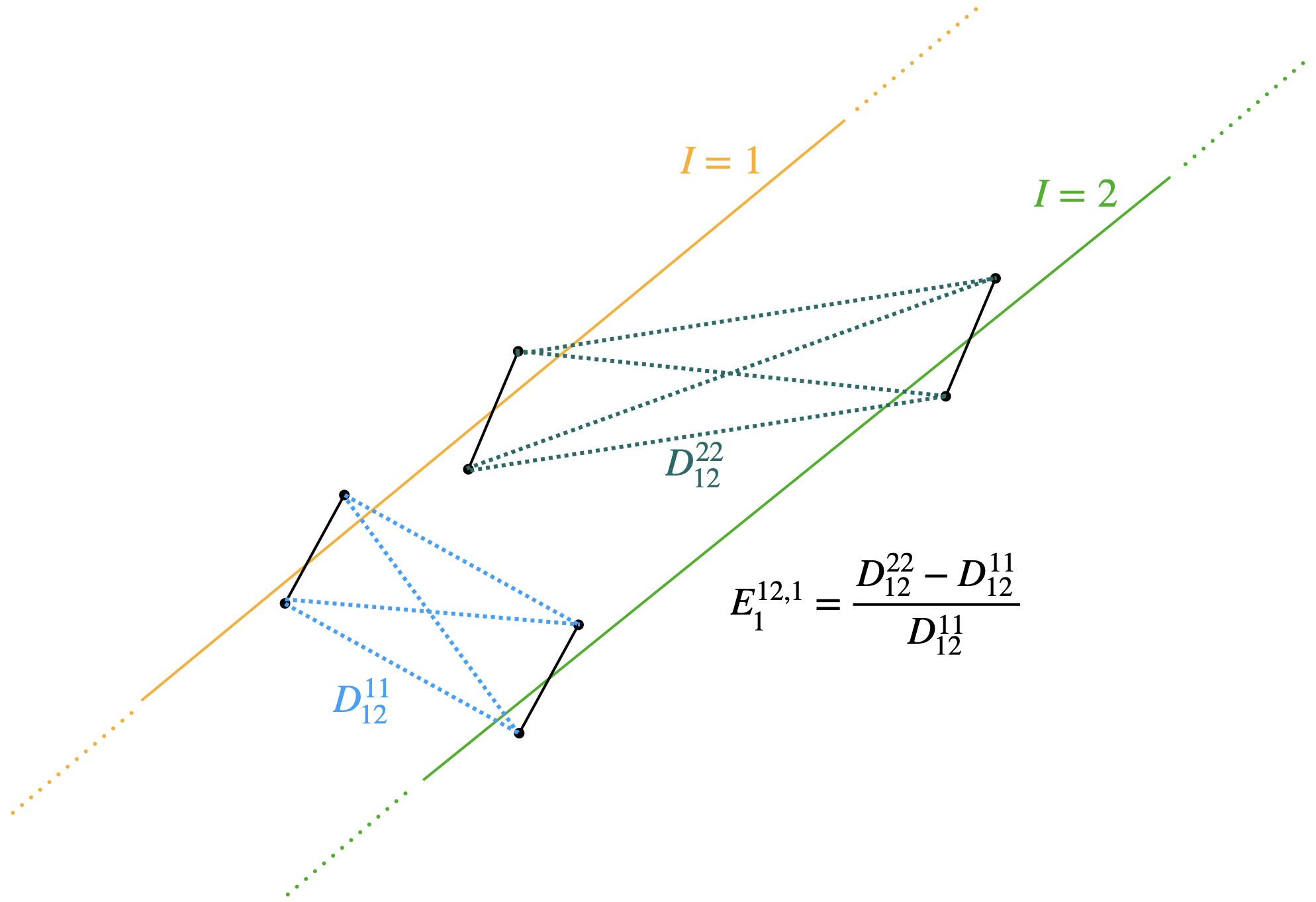
The causal web reveals the black hole boundary through the behavior of light-like chains.
Links in the knowledge graph 1
In quantum gravity, spacetime may consist of event-points linked by arrows of cause and effect. To find a black hole’s horizon in such a network, scientists launch “ladders”—chains of signals akin to a light relay. At the hole’s boundary, these signals abruptly change behavior: the divergence of rays turns negative. This marks the first detection of a horizon signature in a discrete universe.
🎯 In the causal web, the horizon isn’t set in advance—it only reveals itself in the shifting behavior of the chains, like an invisible crack in the web’s pattern.
🎬 In Interstellar, the tesseract built from threads of causality—perhaps that’s exactly how spacetime appears if you peer inside the web.