The Iron Thread That Doesn't Sag ✛
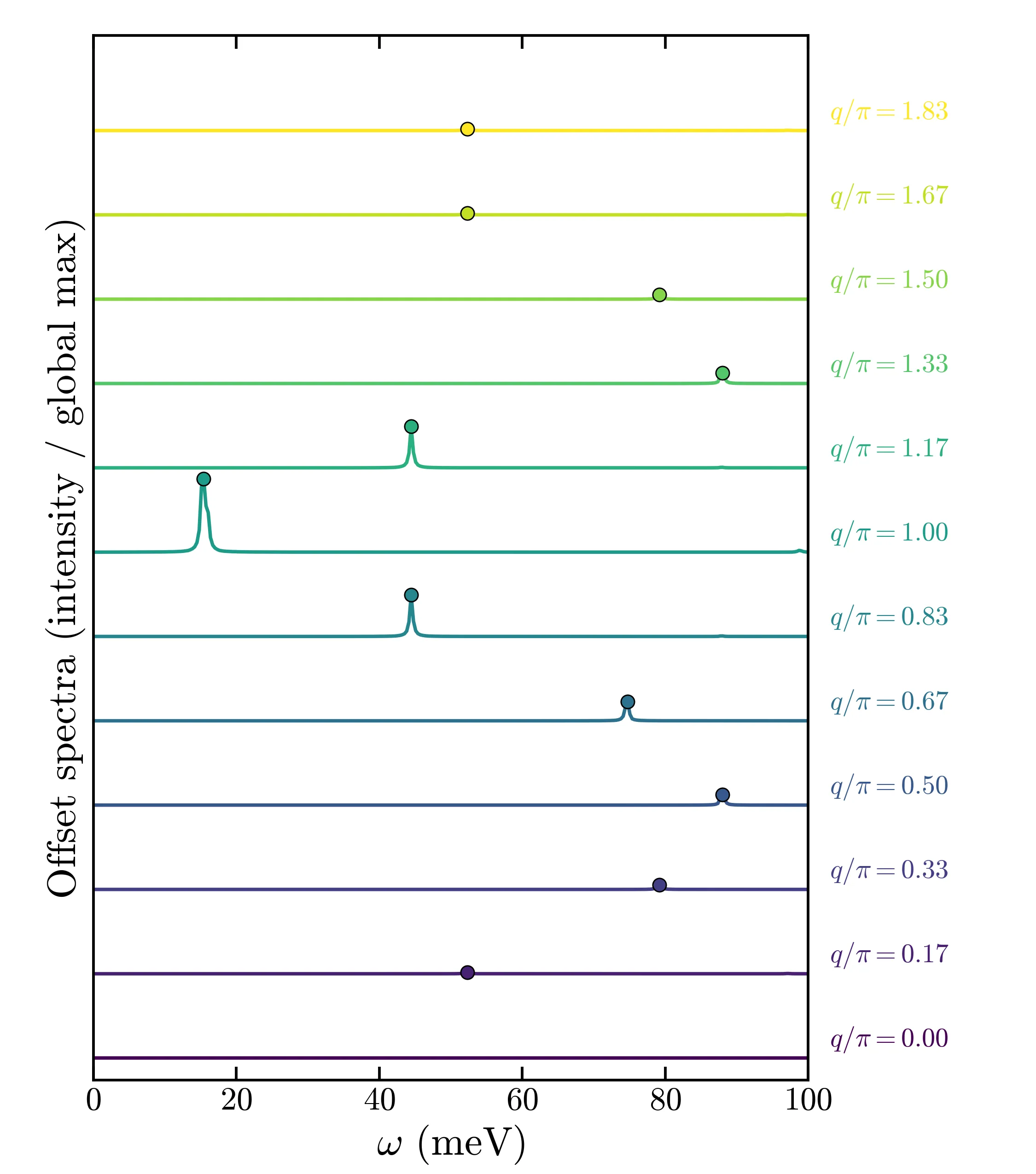
An iron thread that doesn't sag. That's one way to picture a chain of iron atoms linked by organic molecules. Each iron atom acts like a tiny magnet that can point in different directions. In the chain, these magnets interact, and quantum effects create an unusual state.
Calculations show that the interaction between neighboring atoms is nearly the same in all directions. To flip a magnetic moment, you need about 13–14 meV of energy. It's as if the thread were taut, and you need to apply force to move it. This gap makes the system robust against thermal disturbances even when cooled with liquid nitrogen.
The iron thread, stretched between quantum states, remains stable thanks to this gap. The researchers hope that similar chains could help create new materials for information storage and processing.
The Haldane gap in this chain is about 13–14 meV, which corresponds to a temperature of roughly 150–160 K. This means that quantum entanglement effects persist even when cooled with liquid nitrogen.