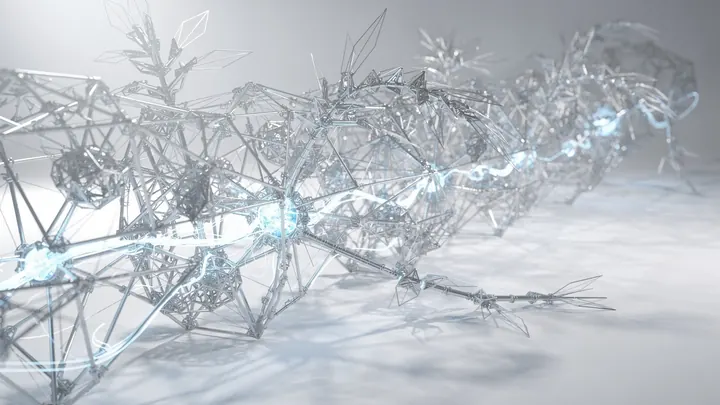
Tropical Blueprint: A Neural Network Learns from an Algebraic Skeleton
The number −0.000459 is no random guest in the Blasius equation. It's the coefficient of η⁵, defining the boundary layer on a flat plate — a thin whisper of air friction against metal. Standard numerical methods like Runge–Kutta yield only an approximate curve. Physics-informed neural networks (PINNs) try to guess the entire solution. Often — unsuccessfully.