قوة خفية على الأوراق سريع
قطرة ماء تجري على ورقة القلقاس كما تجري على أرضية ملمّعة. إنها لا تنزلق فحسب، بل تتراكم عليها كهرباء. قبل ثلاثين عاماً، شرح العلماء لماذا لا تبتل أوراق اللوتس: سطحها مغطى بنتوءات مجهرية يحتبس الهواء بينها. لكن الآن اتضح أن للماء على الأوراق قوة خفية أخرى.
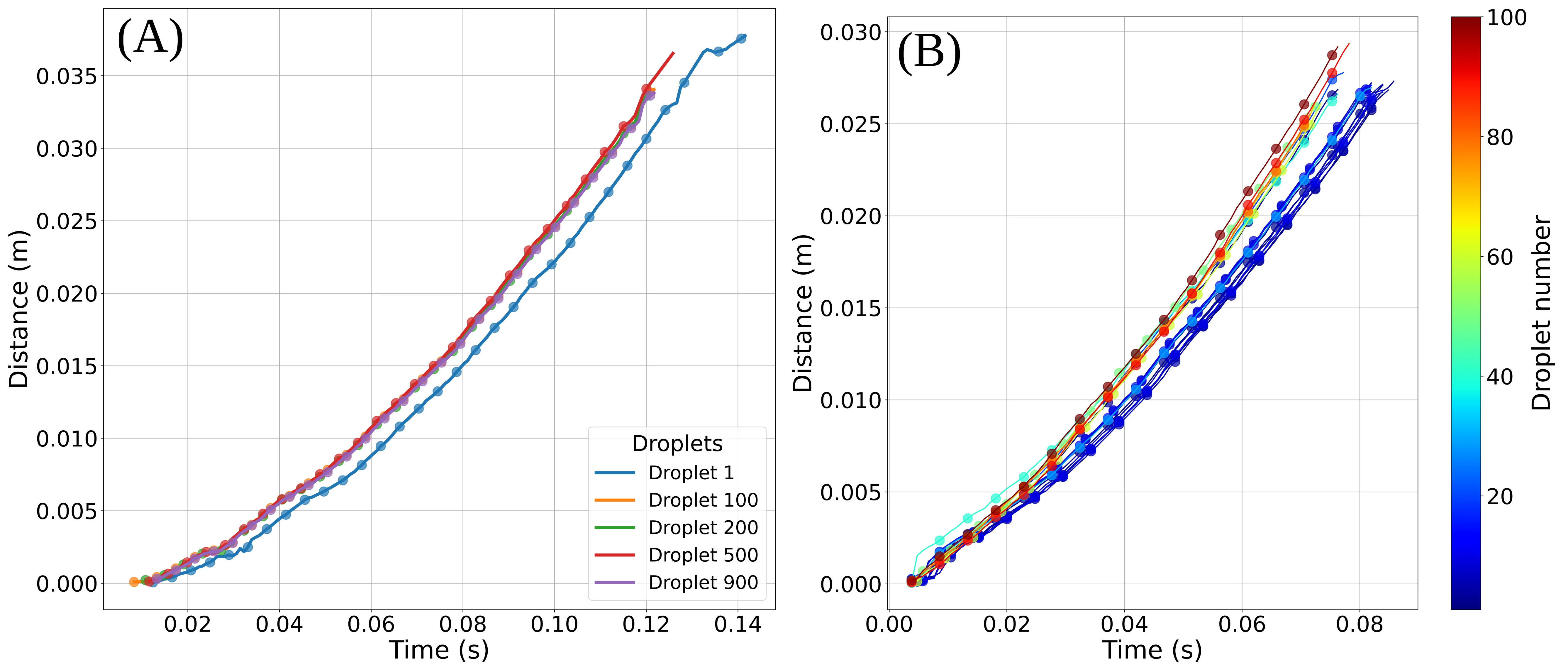
صوّر الباحثون سقوط القطرات بكاميرا عالية السرعة، وفي الوقت نفسه قاسوا شحنتها. على أوراق القلقاس السليمة، كانت القطرة بحجم 30 ميكرولتراً تكتسب شحنة تتراوح بين -0.02 و -0.15 نانوكولوم. هذه كمية ضئيلة، وكأن القطرة احتكّت بالهواء فقط. لكن بمجرد إتلاف الطبقة الشمعية للورقة قليلاً، قفزت الشحنة من 30 إلى 40 ضعفاً: لتصل إلى -2.8…-5.2 نانوكولوم. وفي الوقت نفسه، تباطأت القطرة إلى النصف.
لماذا يحدث هذا؟ الشمع على الورقة ليس مجرد غشاء أملس. إنه بنية خشنة ذات نتوءات ومنخفضات. عندما تنزلق القطرة، تحتك بالنتوءات، وتنتقل الإلكترونات من الشمع إلى الماء. إذا تضرر الشمع، يصبح سطحه أكثر وعورة، ويزداد الاحتكاك، وتنتقل شحنة أكبر. تعتمد شحنة القطرة على حالة الورقة سابقاً: فالقطرة نفسها على ورقة طازجة وأخرى متآكلة ستتصرف بشكل مختلف.
هذا الاكتشاف مهم ليس فقط لعلماء النبات. فالقطرات المشحونة قد تؤثر على كيفية تبادل النباتات للمواد مع المطر، وكيفية انتشار الجراثيم والميكروبات. وبالنسبة للمهندسين، فهو تلميح: إذا تعلمنا التحكم في شحنة القطرات، يمكننا صنع أسطح تجمع طاقة المطر أو على العكس تطرد الماء بقوة أكبر.
الملخص الأصلي
كما كتبه المؤلفون، بالإنجليزية arXiv:2601.18465
How water droplets move and slide on leaves influences plant ecophysiological and abiotic interactions, as well as the design of advanced bio-inspired wetting materials. Despite cross-disciplinary relevance, current descriptions of the in situ dynamics of droplets on living leaves focus almost exclusively on surface structure and chemistry, treating the leaf as a static, electrically neutral substrate. Here, three decades after the mechanistic discovery of the Lotus effect, we show that a yet 'hidden' force due to instantaneous electrical phenomena affect the dynamic droplet motion on living leaves. Using high-speed motion tracking and precision charge measurements, we show that droplets sliding on the pristine epicuticular wax layer on superhydrophobic Colocasia esculenta leaves strongly charge affecting its dynamics, previously observed only on synthetic (highly electronegative fluorinated) surfaces. Droplets accumulate charges of Qp,D1 = -0.02 to -0.15 nC per 30 uL droplet on pristine leaves. However, we specifically demonstrate the crucial role of the epicuticular wax layer plasticity: by a structural modification that decreases its roughness amplitude, the same leaves gain an impressive 30-40 fold enhancement in charge transfer (reaching Qt,D1 = -2.8 to -5.2 nC) slowing the droplet by half due to an estimated electrostatic force of 11 uN dominating the resistive forces. The charge accumulation is surface-history-dependent and charge quantities per droplet are surprisingly similar or even exceeding those recently reported from artificial surfaces. Our findings prove that electrostatic charging is a fundamental component of droplet-leaf interactions, opening new research directions from charge-affected leaf ecology to sustainable materials for droplet-based energy harvesting by tuning surface treatments and, moreover,...
ورقة القلقاس طاردة للماء لدرجة أن القطرات تتجمع عليها في كرات مثالية. لكن حتى هذه الكرات، كما اتضح، تحمل كهرباء يمكن أن تؤثر على مسارها.