انفجار قديم خلّف فقاعة في الفضاء سريع
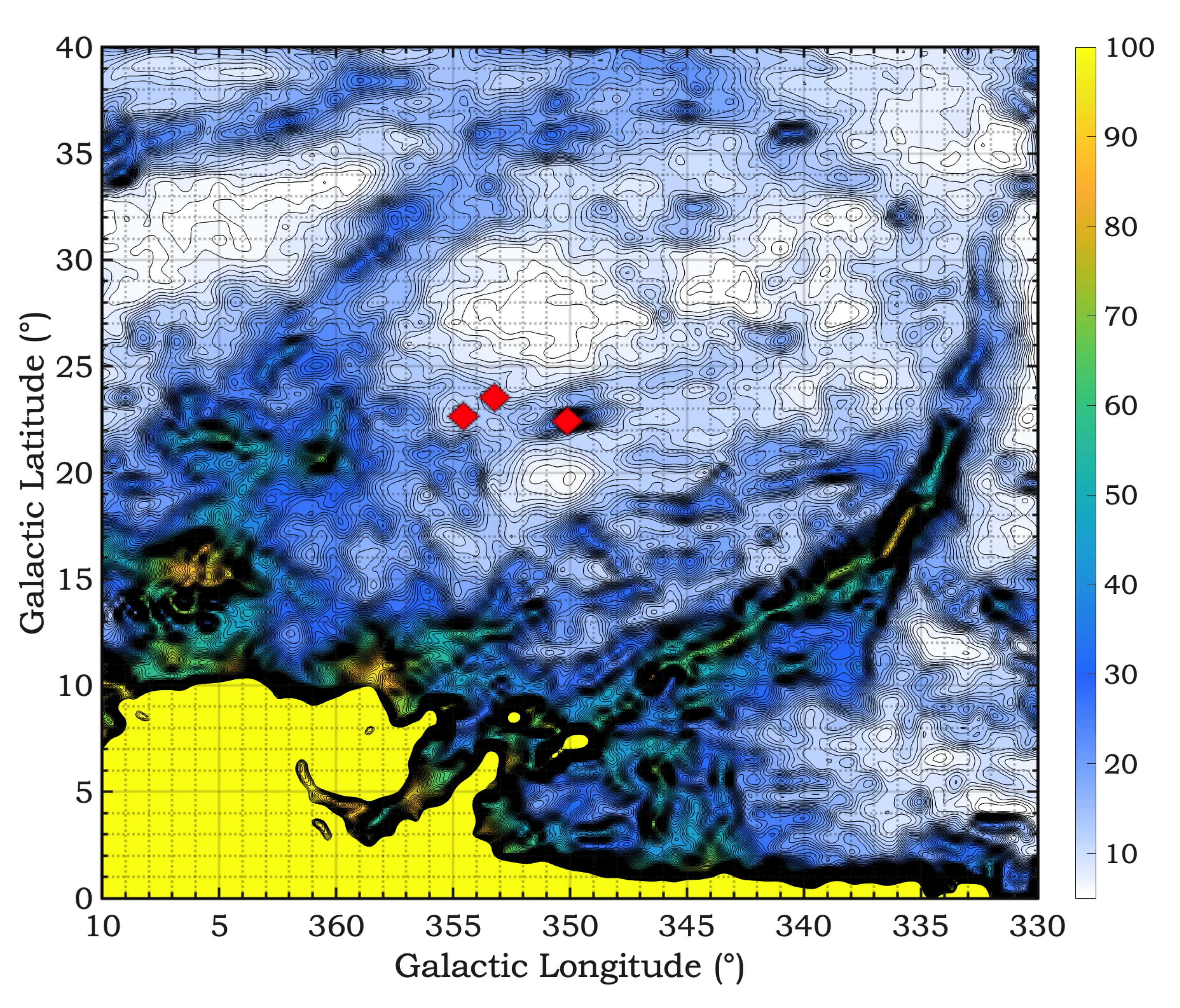
في بيانات الراديو للسماء، ظهر شريطان مضيئان من الغاز كما تظهر الصور على فيلم فوتوغرافي قديم. يتحركان بسرعات مختلفة، لكنهما يعلقان بالقرب من نفس النجم الخافت. تبين أن النجم والشريطين يقعان داخل فقاعة فارغة ضخمة في الغاز بين النجوم. هذه الفقاعة تشبه فقاعة صابون منفوخة، بقيت بعد انفجار مستعر أعظم قديم.
الشريطان الغازيان على الأرجح هما بقايا سديم كوكبي — الغلاف الذي طرحه نجم محتضر. عادةً ما تتبدد هذه الأغلفة بسرعة في الغاز المحيط. لكنها هنا حافظت على شكلها لأنها تمددت في الفضاء شبه الفارغ داخل الفقاعة. على مدى 300 ألف سنة، برد الغاز وأصبح متعادلاً وبدأ يشع موجات راديوية بطول 21 سنتيمتراً.
هكذا حفظ لنا الانفجار القديم، دون قصد، آثار موت نجمي آخر أكثر تواضعاً. لعبت الفقاعة دور علبة عرض متحفية: فبدونها لكان الغاز قد اختلط بالوسط بين النجمي منذ زمن طويل.
الملخص الأصلي
كما كتبه المؤلفون، بالإنجليزية arXiv:2602.08756
Two mysterious unresolved HI structures at velocities of +12 and -6 km/s were discovered in high resolution 21-cm survey data in the direction of a faint white dwarf star. Examination of the HI morphology in this area of sky shows that the star and HI features exists in a large cavity in interstellar HI surrounding the Upper Sco-Cen OB2 Association. The cavity may have been created by an ancient supernova. It is hypothesized that the pair of HI features and filamentary HI structure found in its immediate vicinity may be the remnants of a planetary nebula some 3 x 10^5 years old that have cooled to the point that the gas is neutral and emitting the 21-cm spectral line. This remnant has maintained the morphological characteristics of the original planetary nebula because it expanded into a volume of space relatively devoid of interstellar gas that would otherwise have absorbed any traces of the original nebula.
الموجات الراديوية بطول 21 سنتيمتراً يشعها الهيدروجين المتعادل — العنصر الأكثر وفرة في الكون. وبهذا الإشعاع يرى الفلكيون الغاز البارد غير المرئي في التلسكوبات العادية.