حياة من فقاعات: كيف اكتسبت الخلايا الأولية التطور سريع
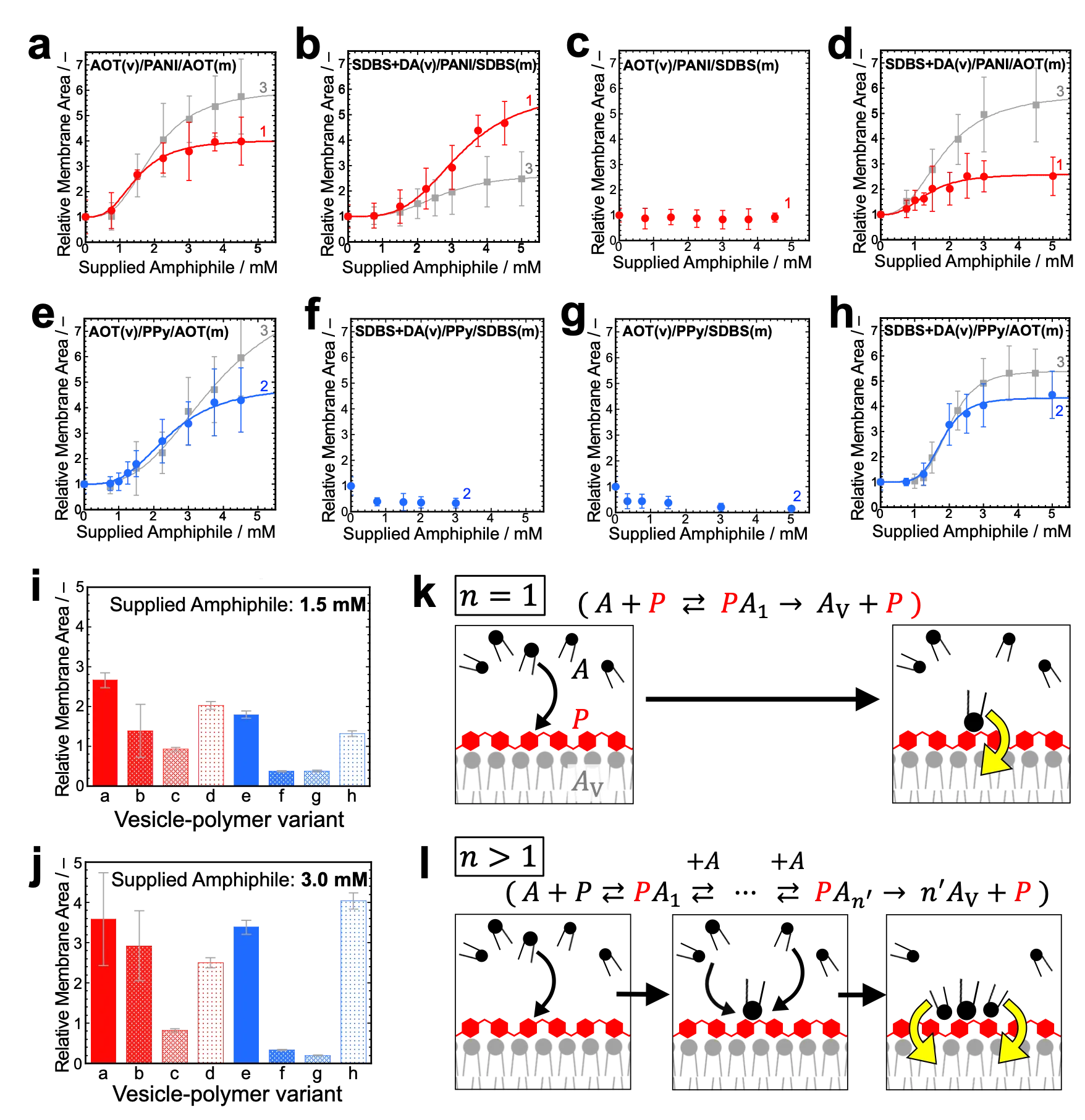
تبدأ الحياة بفقاعة. في بركة دافئة على الأرض القديمة، قد تتجمع جزيئات الدهون في كرات صغيرة — نماذج أولية للخلايا. داخل مثل هذه الكرة، وجد بوليمر بالصدفة يسرّع التقاط الدهون الجديدة من الماء المحيط. نمت الفقاعة وانقسمت ونقلت تركيبها إلى الأبناء.
نما كل نوع بطريقته الخاصة. بعض الفقاعات امتصت الدهون بشراهة وانتفخت، وبعضها الآخر لم يتغير تقريبًا، والبعض الثالث انكمش. يوصف النمو بمعادلة بسيطة، مثل سرعة التفاعل الكيميائي. النتيجة كانت خريطة لياقة: أي فقاعة تفوز يعتمد على كمية الطعام حولها. هذا هو التطور في أنبوب اختبار — بدون جينات، فقط فيزياء وكيمياء.
الفقاعة التي تستخدم الغذاء المتاح بشكل أفضل من غيرها تترك ذرية أكثر. بعد عدة أجيال، يبدأ تركيبها في الهيمنة. هذه هي نفس الآلية الموجودة في الكائنات الحية، لكن بدلاً من الحمض النووي (DNA) — خليط بسيط من الدهون والبوليمرات.
الملخص الأصلي
كما كتبه المؤلفون، بالإنجليزية arXiv:2608.18425v1
Understanding how life-like behaviors can emerge from simple molecular assemblies and primitive compartments remains a central challenge in origins-of-life research. Synthetic minimal cells provide a bottom-up platform for investigating, from scratch, the minimal physicochemical principles underlying compartment growth, reproduction, and evolution. Previously, we developed a vesicle/polymer-based compartment system in which the vesicle membranes template the formation of a catalytic polymer. This polymer promotes selective incorporation of amphiphiles into the vesicle membrane, driving vesicle growth while maintaining the compositional identity and enabling spontaneous deformation and division over several generations. Here, we report about experiments in which we advanced this system beyond reproduction by systematically constructing eight synthetic minimal cell variants from combinations of two template vesicles, two catalytic polymers, and two supplied amphiphiles. The variants exhibited distinct, composition-dependent vesicle growth responses, ranging from pronounced growth to suppressed growth or vesicle shrinkage. These growth responses were described by the Hill kinetics and characterized by three parameters, revealing a multi-dimensional fitness landscape shaped by environmental conditions, in which the relative advantage of each variant depends on both composition and amphiphile availability. This framework links molecular recognition, compositional inheritance, and differential growth, providing a physicochemical route toward evolvable synthetic minimal cells.
الخلايا الاصطناعية في هذه التجربة انقسمت من تلقاء نفسها، دون أي أوامر خارجية — فقط لأنها نمت وأصبحت غير مستقرة.