Forest Sounds Turn into Pictures express
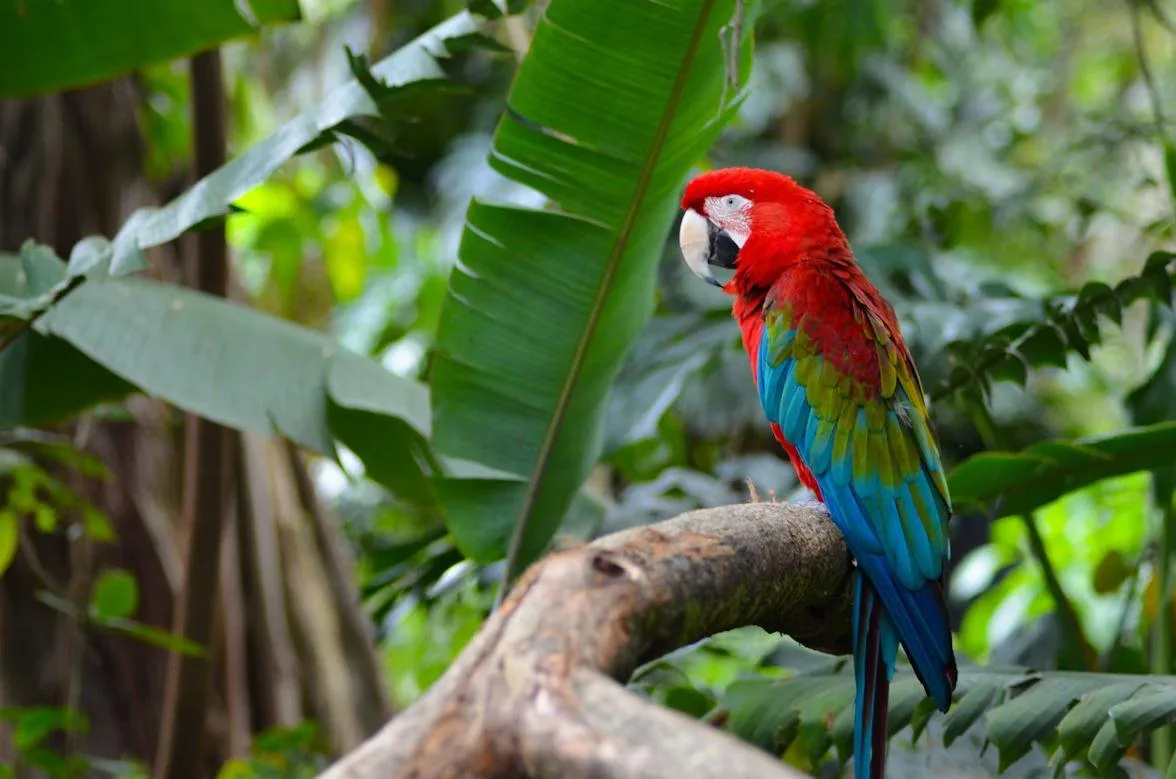
An ornithologist in the jungle hears a trill, but the bird is hidden in the foliage. It would be great to get its portrait right away — at least from a photo database. Usually, that requires thousands of pairs of “song recording + photo of the same bird,” and collecting them is expensive and time-consuming.
The authors took a detour: they used two ready-made models. One understands the link between images and text (e.g., “red breast, black cap” → photo of a robin). The other links text and sound (“melodic trill with flourishes” → recording of a robin). Then they used the first model as a teacher: its textual descriptions were transferred into the second, tweaking the audio encoder so that the robin's sound lands next to the text about the red breast. Images were not involved in training at all.
The result: on the SSW60 test, the model finds the right bird photo from its song better than direct combinations of off-the-shelf systems. At the same time, it didn't lose its ability to distinguish the sounds themselves, so species classification didn't suffer. For field biologists, this is a chance to quickly identify rare and elusive animals by voice, without having a single paired image.
The same trick, teaching one modality through text so that it aligns with another, could be useful beyond bioacoustics. Wherever paired data is scarce, text can serve as a bridge between worlds.
Some birds produce sounds at frequencies that the human ear can barely hear, but the model still finds their “portrait” from such recordings.