Inside the Cell: How Cancer Dodges the Drug express
A cancer cell is like a stubborn lock that changes its keys as you try to pick it. The drug acts as a lockpick, but the cell quickly finds a way to keep it out. In a new study, scientists built a computer model that mimics how cancer cells behave with various genetic glitches.
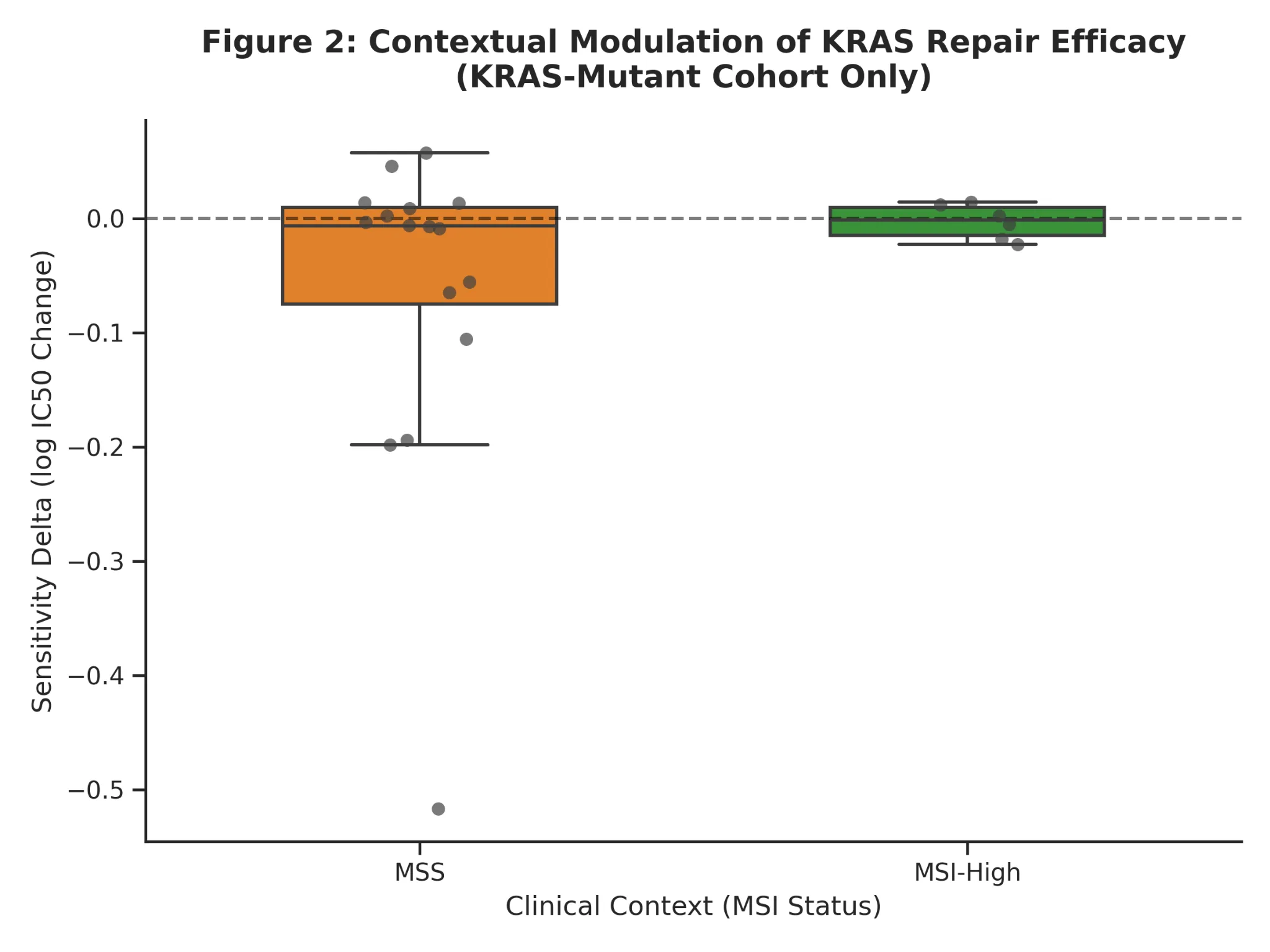
The big surprise came from the KRAS gene. Its mutation acts as a shield, blocking the cell from the drug called 5-fluorouracil. The researchers confirmed this by 'switching off' KRAS in the model, and the protection vanished. But with the PIK3CA gene, it was the opposite: when they 'fixed' it, the cell became even more resistant. It activated a backup survival pathway, like a driver who, when one road is blocked, immediately finds a detour.
Now oncologists can see in advance which mutations make a tumor invulnerable and choose drugs more precisely. This is a step toward treatment that adapts to the individual patient, not to average statistics.
The model learned on its own to find unexpected connections between genes — for example, that one mutation can protect against a drug more strongly than another that was thought to be the main culprit.