Sleep Genes and the Scale: What Tips It express
On one side of the scale are the genes you inherited from your parents. On the other is how many hours you actually sleep. For a long time, it seemed genetics pulled harder. But a new study covering more than 200,000 people shows that real sleep can tip the balance, especially when it comes to excess weight and diabetes.
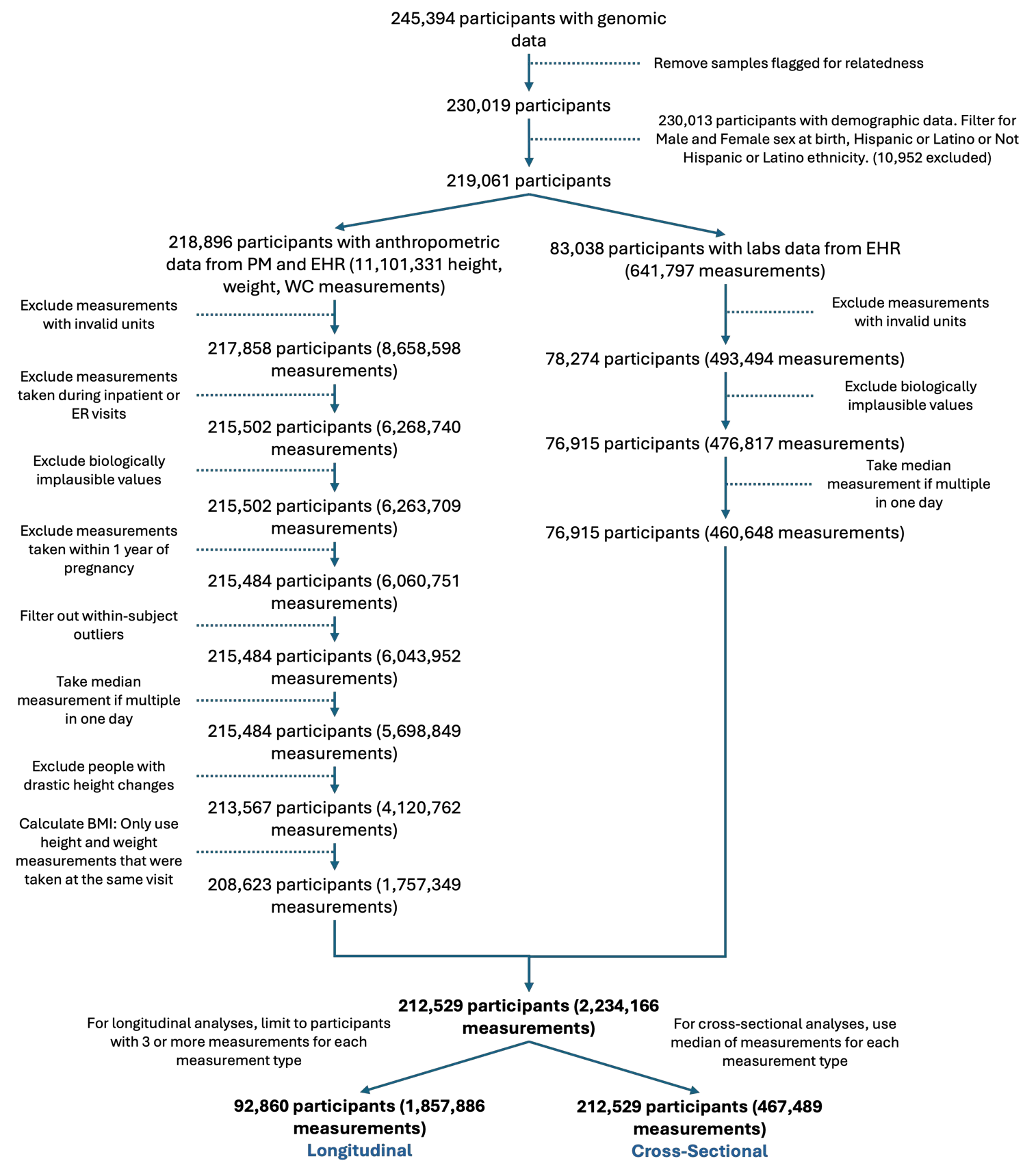
The authors analyzed data from the All of Us research program, which includes medical records, genomes, and fitness tracker data from people in six different ancestry groups. They looked for links between 455 genetic variants affecting chronotype (whether you're a night owl or an early bird) and sleep duration, and 3,414 diseases or traits. The strongest signal came from variant rs1421085 in the FTO gene: its link to obesity, diabetes, and cardiovascular issues appeared in Europeans, Americans, and Africans.
Next, the researchers built polygenic risk scores, a kind of overall genetic score for sleep, and compared them with real data on weight, waist circumference, and blood sugar. They found that the higher the genetic tendency for short sleep, the greater the risk of obesity and diabetes. But when actual sleep duration was taken into account (measured by Fitbit devices in 7,655 people), the genetic contribution almost completely disappeared. In cross-sectional comparisons, real sleep explained 85.6% to 99.9% of the association, and in longitudinal observations of the same people over time, it explained 7.1% to 44.0%.
The difference between genetic data averaged across all groups and results for individual populations is a reminder: there are no universal 'sleep genes.' What works for one group may be silent in another. So the study underscores the importance of population-specific approaches. In the end, the scale tips not so much in favor of genes, but in favor of how we manage our hours of rest.
The FTO gene, linked to obesity, is active in the brain and influences hunger, but its activity depends on circadian rhythms — which is why disrupted sleep can amplify cravings for calorie-dense foods.
In Stephen King's novel Insomnia, characters manage without sleep thanks to alien intervention, but they pay for it with their health, echoing the idea that even a small lack of sleep alters metabolism.