📄 معروضة نسخة «بسيط» — «متقدم» غير جاهزة بعد. أضفه إلى المفضّلة للمساعدة في تسريعها.
كاشف MicroBooNE هو خزان كبير من الأرجون السائل يلتقط الجسيمات التي تمر عبره. عندما يمر جسيم، يترك أثرًا من الشحنة وومضة ضوء. تتراكم هذه الآثار لتكوين صورة ثلاثية الأبعاد للحدث، وكأن الجسيم يرسم مساره في مكعب شفاف.
لكن هذه الأحداث كثيرة جدًا: في كل ثانية تمر مئات الميونات الكونية عبر الكاشف. تسجيل كل شيء يعني الغرق في البيانات. عادةً ما يتم الانتقاء لاحقًا على أجهزة الكمبيوتر، لكن ذلك بطيء ومكلف. العمل الجديد يظهر كيف يمكن تعليم الكاشف انتقاء المهم أثناء الطيران، مثل طباخ ماهر يزيل الزبد عن المرق دون إطفاء النار.
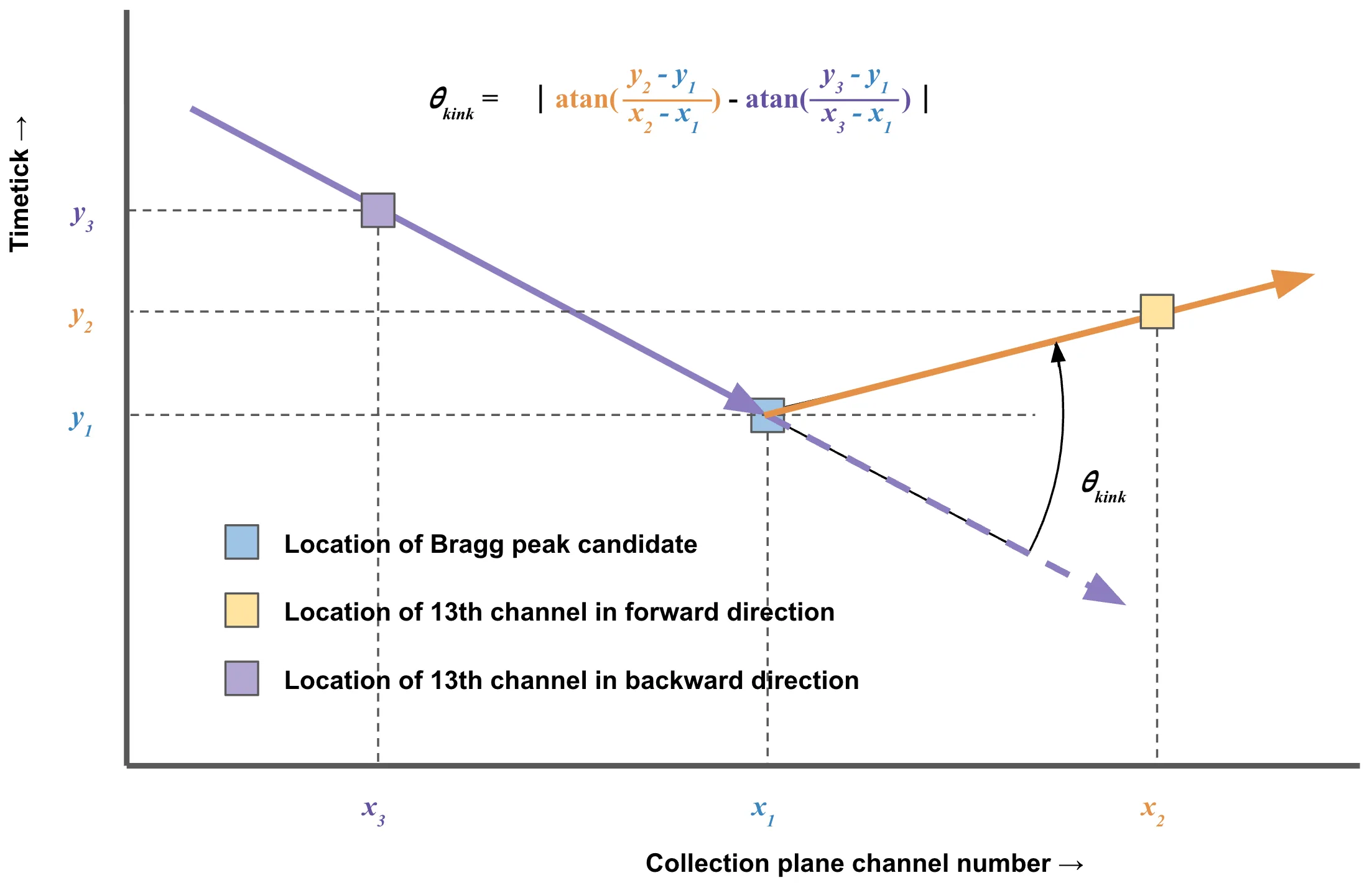
تنظر الخوارزمية فقط إلى الشحنة التي يتركها الجسيم في مستويات الأسلاك، وتقرر في أجزاء من الثانية: هل هذا إلكترون مثير من ميون متوقف أم مجرد ضوضاء؟
هذا الانتقاء عبر الإنترنت تم اختباره لأول مرة على بيانات حقيقية من كاشف الأرجون السائل. يعمل بسرعة ودقة، ويمكن نقله إلى تجارب مستقبلية حيث يكون تدفق البيانات أقوى. إنه مثل تعليم مرشح البريد تمييز الرسائل المهمة من البريد المزعج قبل وصولها إلى صندوق البريد.
الآن الكاشف لا يرى الجسيمات فحسب، بل يتعلم سماع همس الأحداث النادرة في ضجيج الأشعة الكونية.
The MicroBooNE detector is a liquid argon time projection chamber (LArTPC) that produces three-dimensional images of particle interactions using ionization charge collected by anode wire plane arrays and scintillation light collected by a light detection system. In addition to testing long-standing experimental neutrino anomalies and performing measurements of neutrino interactions with argon nuclei using the Fermilab Booster Neutrino Beam, MicroBooNE aims to develop methodologies for rare beyond the Standard Model and off-beam physics searches. Looking ahead to the upcoming Deep Underground Neutrino Experiment (DUNE), with MicroBooNE serving as a valuable testbed, achieving high sensitivity and livetime for off-beam physics while satisfying data processing and storage constraints will require data-driven, intelligent, and online or real-time data selection techniques. These techniques are essential for reducing data rates and preserving rare signals with high accuracy. In this paper, we describe a fast data selection algorithm suitable for online execution to identify electrons from stopping cosmic ray muons in the MicroBooNE detector utilizing ionization charge information, and present its performance. This represents the first demonstration of online data selection in a LArTPC using real data and charge information exclusively and provides an important proof-of-principle for applying such techniques to other LArTPC experiments such as the Short-Baseline Near Detector and DUNE.