كيف يساعدك تحيز التأكيد على التفكير بشكل أسرع سريع
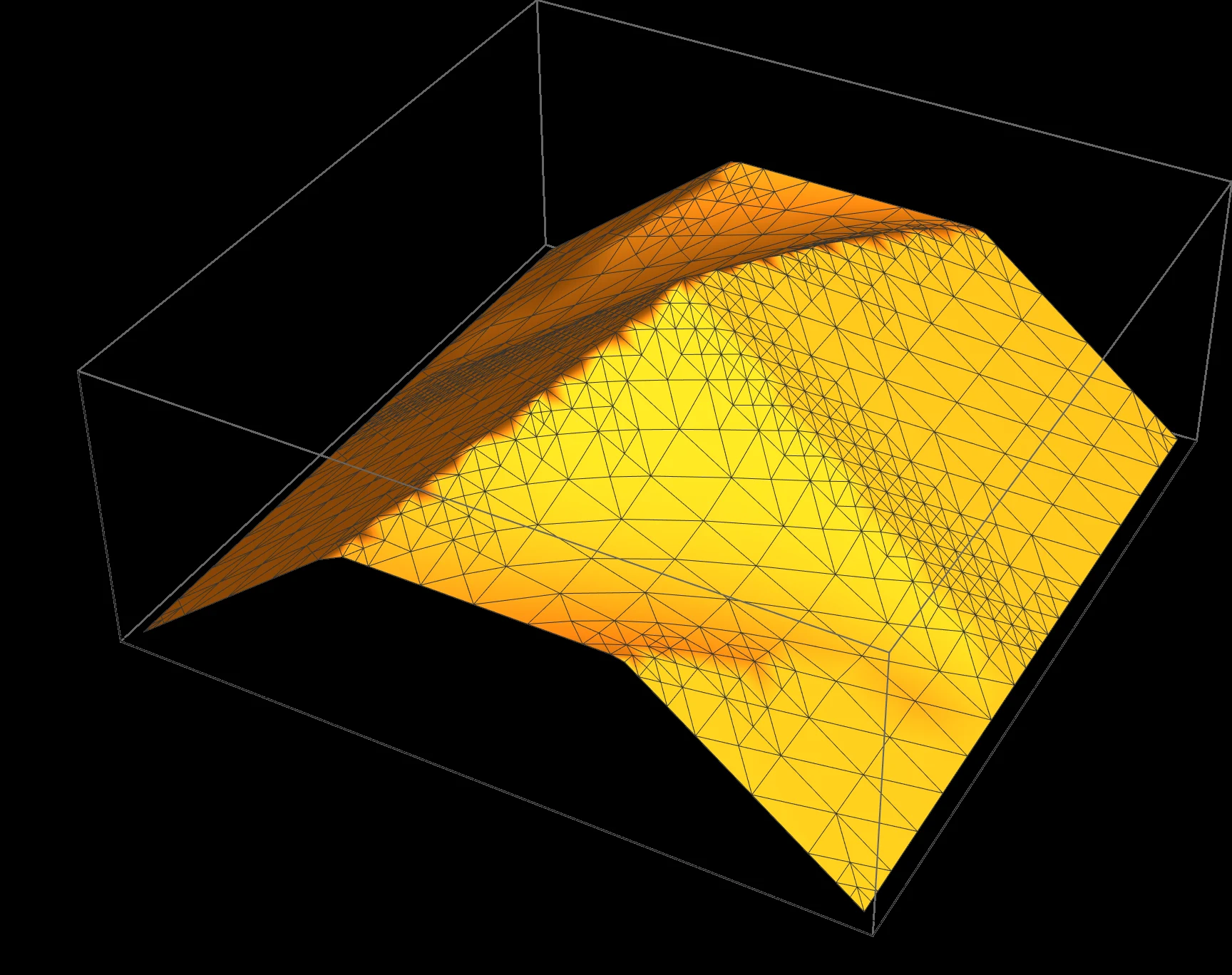
اعتدنا أن نعتقد أن ملاحظة تأكيدات تخميناتنا فقط هي خطأ. لكن حسابات حديثة مستوحاة من سلوك الموجات تقلب هذه النظرة. اتضح أن عادة البحث عن المألوف هي أفضل وسيلة لتقليل الضجيج المعلوماتي (يسميه العلماء الإنتروبيا). وقد أوضح جون فون نيومان أن الاحتمالات قد تتصرف لا كنسب مئوية، بل كموجات متداخلة.
عقلنا يشبه نهرًا يعمق مجراه في كل مرة. الماء ينساب في طريق المقاومة الأقل، والشمس تضيء الضفاف المألوفة فقط. بدون هذه الاستراتيجية، كنا سنضطر إلى معالجة مئات أضعاف البيانات حتى لا نغرق في الضجيج المعلوماتي. هذا ليس ضعفًا، بل اقتصاد طبيعي للقوى. هكذا تساعدنا الطبيعة في إيجاد طريقنا إلى المعنى وسط الفوضى.
الملخص الأصلي
كما كتبه المؤلفون، بالإنجليزية arXiv:2606.23325
In this paper, the phenomenon generally classified as confirmation bias is formulated on the space of square-root probabilities (or equivalently, using the structures of quantum probability). In this framework, observations are modelled by matrices, rather than random variables on a probability space. In the problem of binary hypothesis testing, an optimal evidence choice minimises the expected error probability. We show that the resulting optimal choice of evidence leads to a confirmation bias, thus revealing a surprising aspect of rationality that encompasses confirmation bias. Specifically, in sequential evidence sampling, the implicit optimality leads to two remarkable evolutionary advantages, namely, (a) the decision maker requires only the smallest memory capacity, and (b) the error probability can be reduced exponentially in sample size. A complementary approach based on the framework of active inference -- where the decision maker seeks evidence that provides maximum information -- is then considered. The resulting optimal evidence is shown to agree with the one obtained by minimising error probability. Our framework provides an easy-to-implement protocol for an active quantum inference, whereby the optimal evidence choice for making an inference is sought over the space of matrices.
في الاحتمال الكمي، لا تجمع الفرص كنسب مئوية، بل كموجات: يمكنها أن تعزز أو تلغي بعضها البعض.