ومضات راديوية كونية: لغز سيكشفه تلسكوب جديد سريع
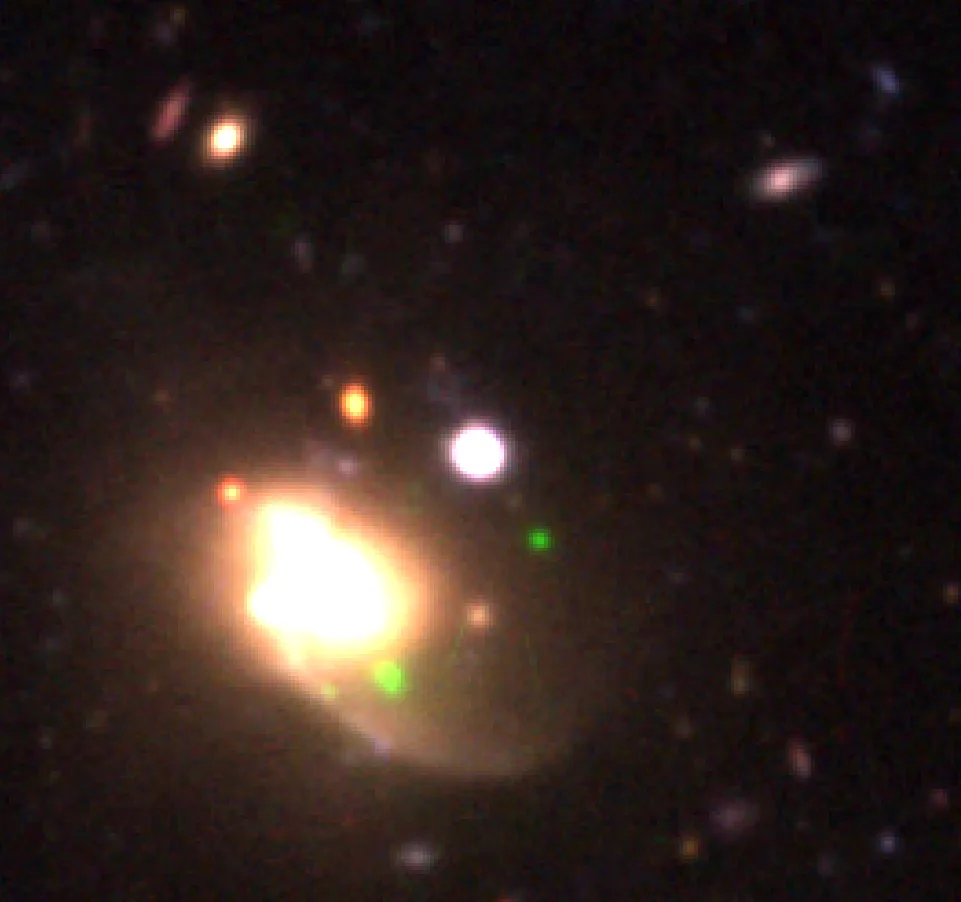
في مكان ما في أعماق الفضاء، يومض منارة راديوية لجزء من الثانية ثم ينطفئ. تُعرف هذه الإشارات بالومضات الراديوية السريعة. تأتي من مجرات أخرى وتستمر من ميكرو ثانية إلى ميلي ثانية. في هذه اللحظة الوجيزة، يطلق الوميض طاقة تعادل أقوى الانفجارات على النجوم النيوترونية في مجرتنا درب التبانة. لكن ما الذي يشكل هذا المنارة بالضبط؟ لا يزال لغزًا.
المشتبه به الرئيسي هو النجم المغناطيسي (نجم نيوتروني ذو مجال مغناطيسي هائل). ومع ذلك، تشير الأدلة إلى آخرين أيضًا: زوج من النجوم النيوترونية تتفاعل مغناطيسيًا، أو ثقب أسود يبتلع المادة. تنوع الومضات وأماكن نشأتها يوحي بوجود آليات متعددة — كما لو أن فرقًا موسيقية مختلفة تعزف اللحن نفسه، لكن كلٌّ بأسلوبه الخاص.
الأداة الجديدة — التلسكوب الراديوي SKA (Square Kilometre Array) — تعد بأن تكون كاشفًا مثاليًا لهذه الإشارات. ستمتد هوائياته في نصف الكرة الجنوبي، لتغطي نفس منطقة السماء التي يغطيها مرصد فيرا روبين. سيكون SKA أكثر حساسية من التلسكوبات الحالية، وسيكون قادرًا على البحث عن ومضات تستمر حتى عشرات الميكرو ثانية، ويغطي ترددات من 50 ميغاهرتز إلى 15 غيغاهرتز — وكأننا نستمع إلى الكون على جميع الموجات الراديوية في وقت واحد.
عندما نكشف طبيعة الومضات الراديوية السريعة، لن نفهم فقط كيف تعمل هذه المنارات الكونية، بل سنتمكن أيضًا من استخدامها لقياس المسافات في الكون. ستصبح الومضات مسطرة معايرة بفيزياء الأجسام المتطرفة. وعندها، ستخبرنا الومضة الغامضة التي تستمر أقل من نبضة قلب عن كيفية تمدد الكون.
الملخص الأصلي
كما كتبه المؤلفون، بالإنجليزية arXiv:2606.27546
Fast radio bursts (FRBs) provide a glimpse of high-energy astrophysical phenomena in other galaxies. They point the way to extreme conditions that are currently undetectable by any other known means. These coherent radio flashes have timescales of microseconds to milliseconds, and inferred energies that are comparable to those of the most extreme bursts seen from Galactic neutron stars. However, the nature of FRB sources remains an open question in astrophysics. Magnetically powered neutron stars known as `magnetars' are a leading candidate for explaining the FRB phenomenon, but other plausible progenitors include magnetically interacting neutron-star binaries or accreting black holes. The diversity of FRB burst types and their galactic environments hint that multiple mechanisms and progenitor types may be responsible. Here we discuss the ways in which the SKA can uncover the nature of FRBs. In particular, we focus on the key advantages of the SKA: its Southern Hemisphere location and hence overlapping sky coverage with the Vera C. Rubin Observatory, its high sensitivity compared to existing wide-field FRB surveys, its fast search timescales down to tens of $$\mu$$s, and its broad spectral coverage with bands from 50 MHz to 15 GHz. With these capabilities, the SKA will excel in detecting FRB sources across new frequency ranges and timescales. This will aid in a better understanding of the fundamental astrophysics behind FRBs, which will in turn also contribute to their use as cosmological probes, as explored in companion chapters.
لو كنت تستطيع سماع الموجات الراديوية، لبدت الومضة الراديوية السريعة كطقة واحدة — قصيرة جدًا لدرجة أن الأذن البشرية لا تستطيع تمييز نغمة فيها.