Red Dots Are Not Twins of Dusty Quasars ⚡ экспресс
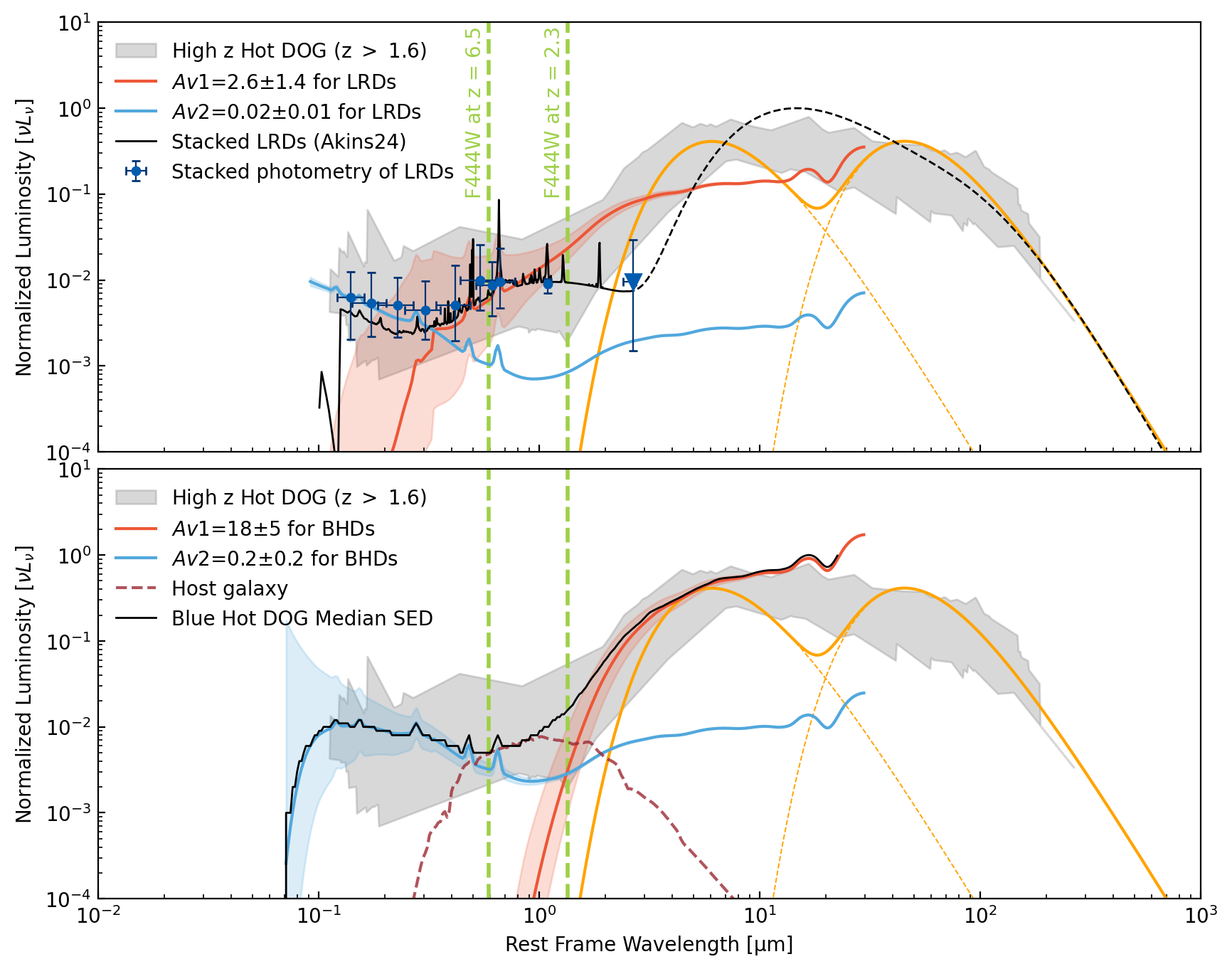
Original: "Investigating Little Red Dots with UV Excess: Are They the High-Redshift Siblings of Blue Hot DOGs?"
Little red galaxies discovered by the James Webb telescope turned out to be nothing like bright dusty quasars.
Links in the knowledge graph 1
The tiny red dots that crowded the James Webb images turned out to be not what they seemed. They lack hot dust from ravenous black holes—so a completely different mechanism of galaxy growth was at work in the early Universe. This reshapes the picture of the first billion years after the Big Bang.
🎯 The first Webb images were so thick with these dots that astronomers jokingly called them 'polluters' of galactic surveys.