Liquid and Ultrasound Move Objects Without Touch express
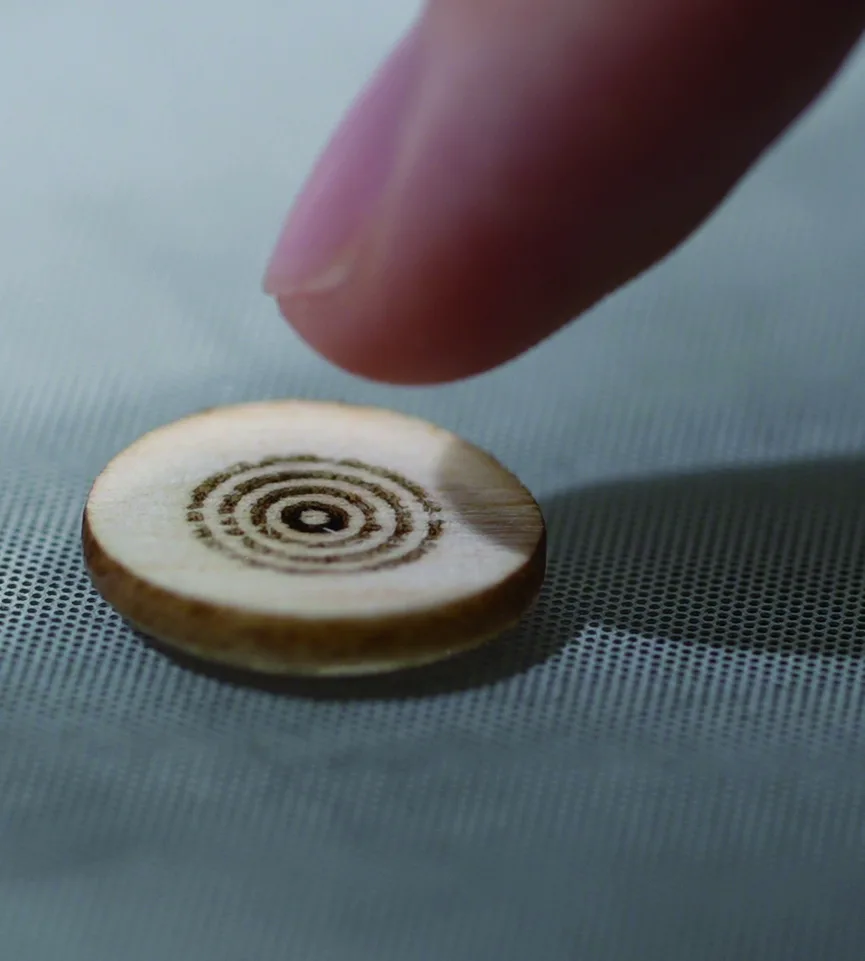
On the table sits a plastic figurine. Underneath it is a drop of water, and around it, a mesh that keeps the drop from spreading. From below, inaudible sound waves strike the drop, propelling it, and the figurine glides across the table like a little boat on an invisible river. No motors, no wires, just sound and water.
The scientists tested how much weight this system can carry. It managed more than half a gram — about ten grains of rice. If you press down on the figurine, the drop springs back and returns it to its place, like a button. And if you vibrate at a frequency of 22 times per second, the drop trembles and transmits the vibration to your finger — giving haptic feedback, just like a phone.
Such a table can be made large or small, and it's not afraid of open air. In the future, you could assemble puzzles on it, control robots, or play board games where pieces move on their own.
A drop of water on a superhydrophobic mesh resembles a bead of mercury: it doesn't spread and glides easily when nudged.