How Ripples in a Glass Reveal the Shape of the Universe express
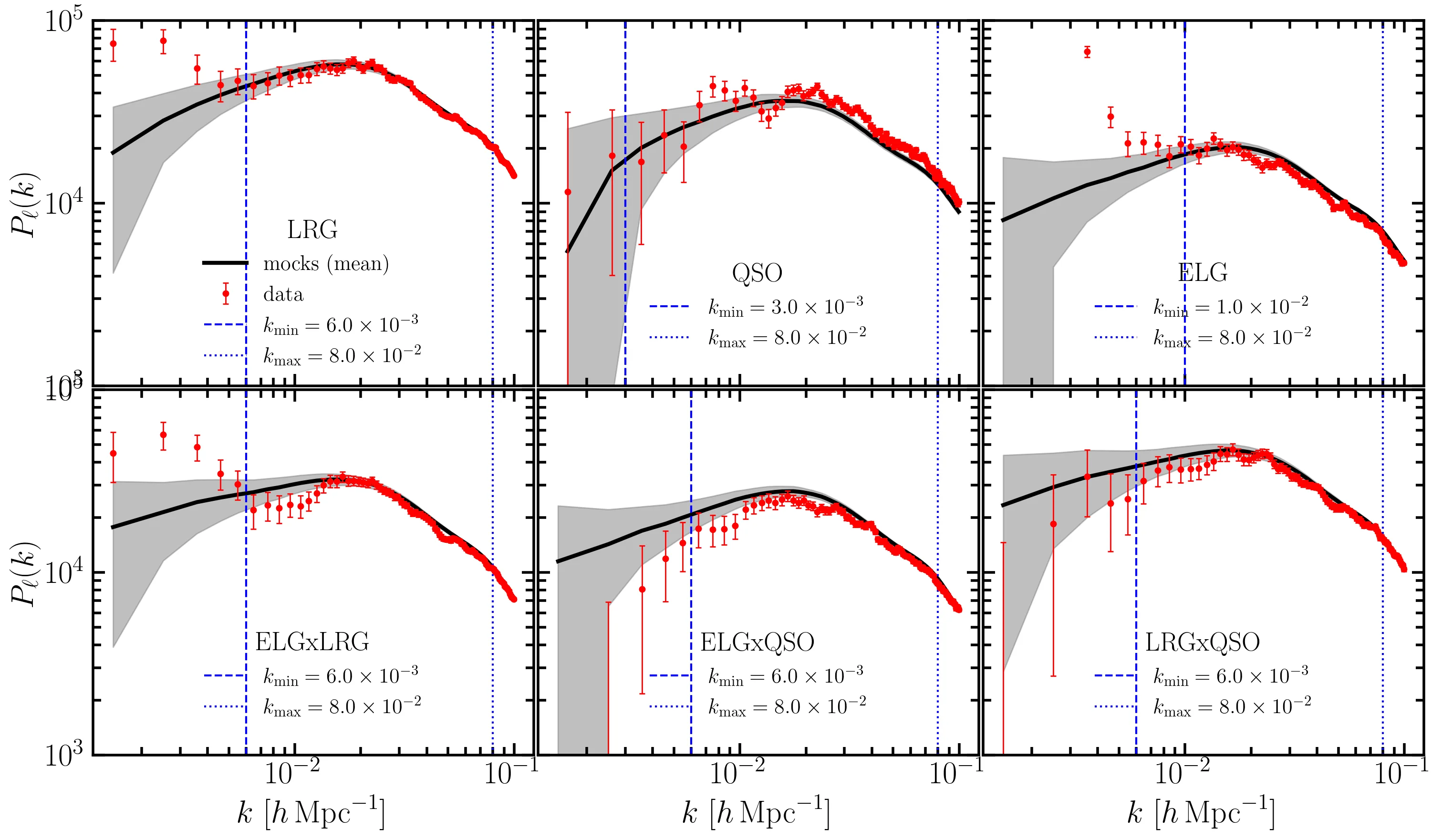
If you toss a handful of sand into calm water, the ripples spread out evenly. Likewise, matter after the Big Bang should have flown out equally in all directions. But in reality, the galaxy map shows a slight ripple — here a few more, there a few less. This ripple is the imprint of those first moments, when space had not yet become perfectly smooth.
Astronomers took two maps of the same patch of sky. One shows where bright red galaxies gather, the other where quasars (very distant and powerful sources) shine. If both maps 'ripple' in the same way, it's not random instrument noise but a genuine trace of the universe's birth. Comparing the maps allowed them to filter out interference and measure the ripple's strength more accurately.
It turns out the ripple is almost imperceptible: the deviation from perfect smoothness is just two parts in one hundred thousand. That's like a wave one centimeter high on a lake a kilometer wide. Previous precision was worse, but the new method added nine percent more confidence. This means the Big Bang was indeed very calm and homogeneous, and all stars and galaxies grew from tiny random clumps.
The deviation from perfect smoothness that scientists measured is 50 times smaller than the difference in height between the tallest and shortest person on Earth.
In Carl Sagan's novel 'Contact', the protagonist hears a signal that encodes a map of the early universe — exactly that ripple, but seen from the outside.