Planetary Orbits: Not Random, But Music ⚡ экспресс
Original: "Exoplanet Orbital Distribution around FGK Sun-like Host Stars II: a valley in the orbital semi-major axis distribution of sub-Neptunes"
Astronomers have noticed: exoplanets sit at strictly defined distances from their star, like notes on a guitar string.
Links in the knowledge graph 1
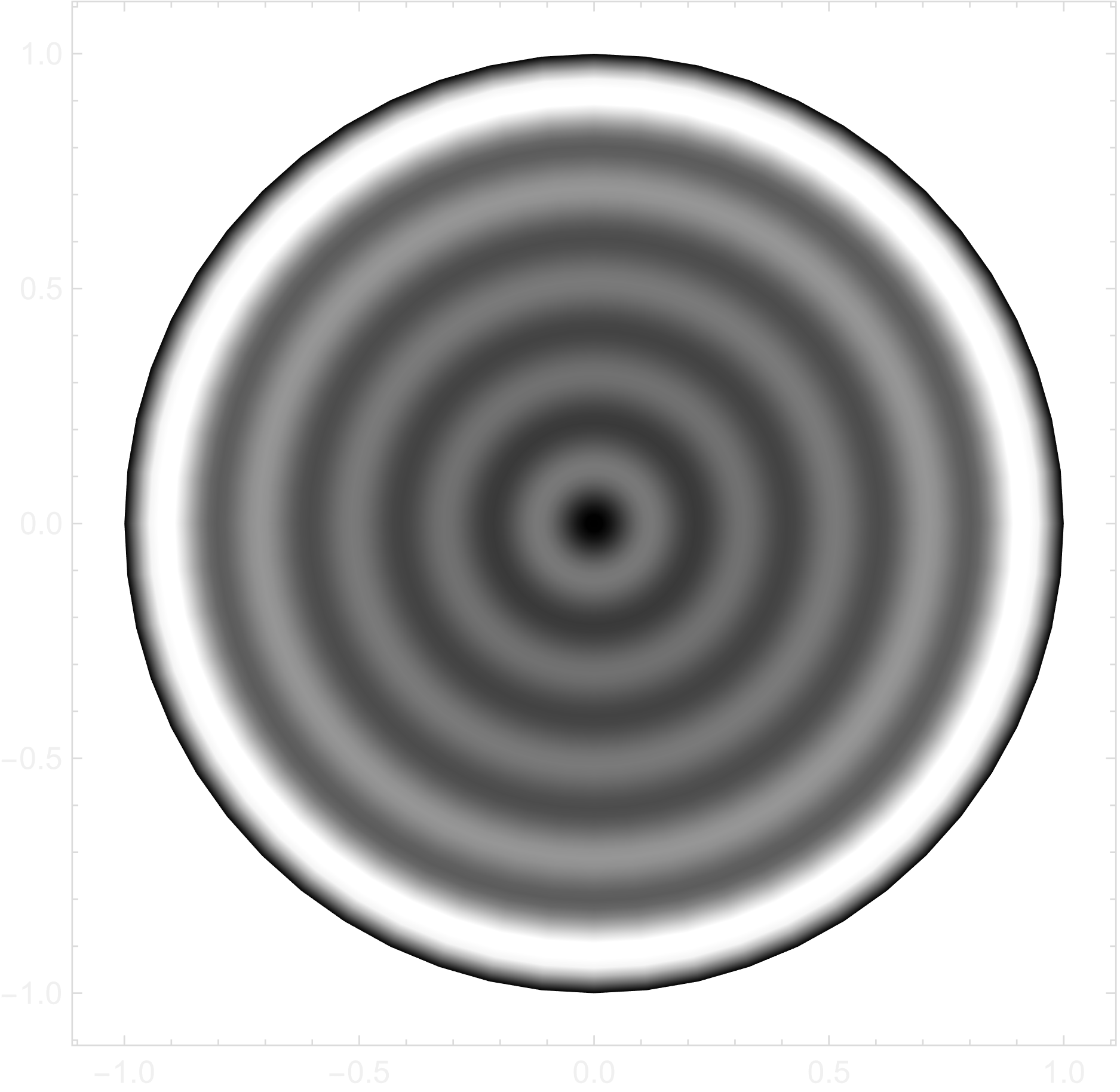
It turns out that planets around other stars might sit on 'orbital shelves': they only occur at certain distances from the star, as if someone lined them up with a ruler. Scientists suspect that in the gas-dust disks around young stars there are invisible standing waves that command where a planet appears. If so, the search for new worlds could become more precise.
🎯 Notes on a string are separated by silence. So it is with planets: between 'allowed' orbits lie 'silence zones' where worlds almost never appear.