Planetary Orbits: Not Random, But Music express
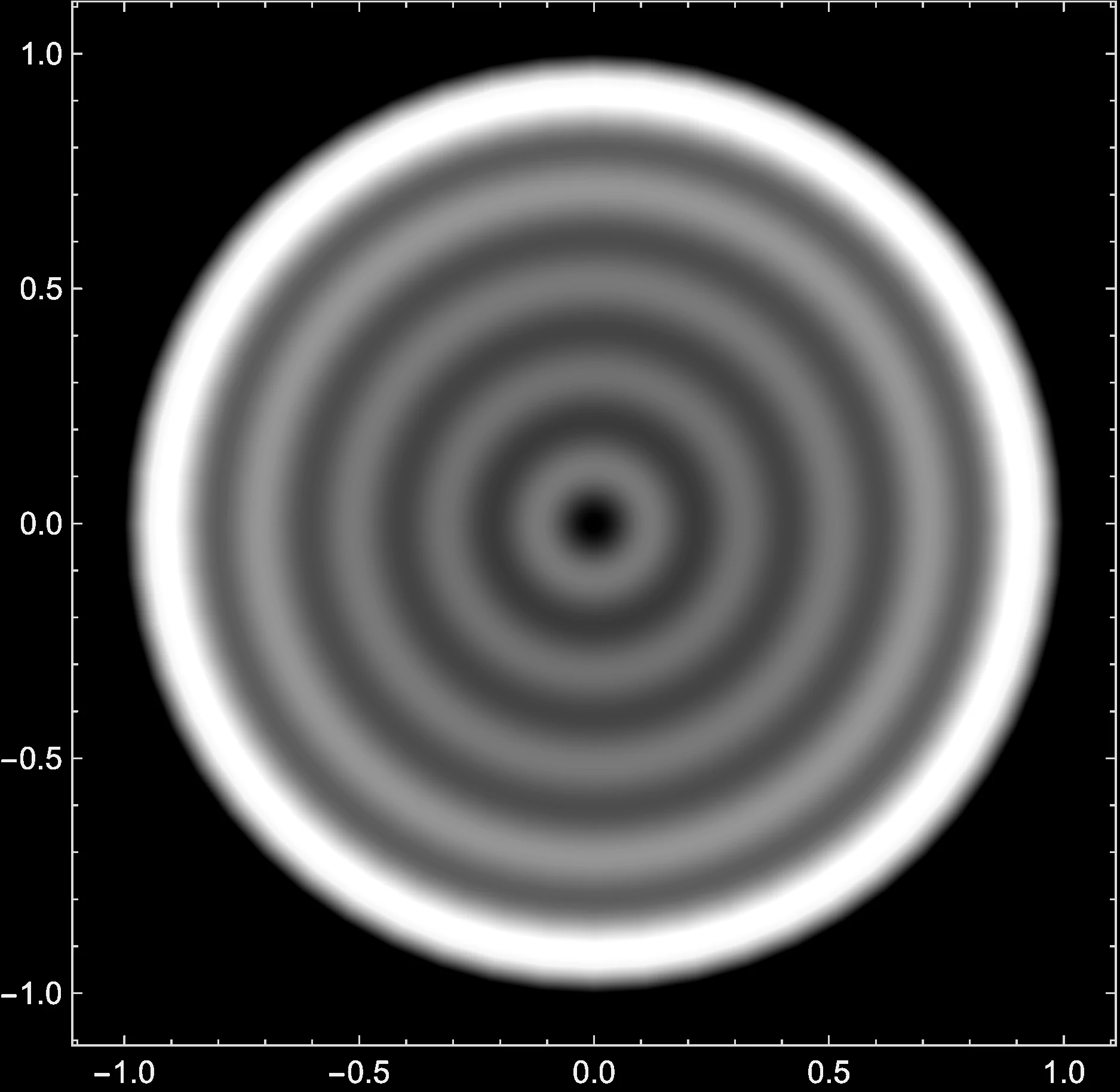
A guitar string only sounds at certain notes, when pressed at the frets. So it is with the gas-dust disk around a young star: it's shot through with standing waves, but only chosen oscillations survive. Where the wave crests, cosmic dust and hydrogen collect, and later exoplanets are born. Between the crests are troughs, where planets are almost absent.
Having checked hundreds of known systems, astronomers saw: the distance to the star indeed takes only a few values. The pattern was especially clear inside Earth's orbit — where no order was expected before. Telescopes like ALMA have already observed similar wave rings in the outer parts of disks, but it was thought they couldn't exist near the star itself. New data say otherwise: the music plays even at the doorstep, hiding in the star's glare.
Planetary systems turned out to be not chaotic, but composed like a musical score. This discovery will help to search for new worlds purposefully and better understand the architecture of distant galaxies. For now, however, we have only a statistical hint, not a direct observation — scientists are testing different methods to rule out error.
Notes on a string are separated by silence. So it is with planets: between 'allowed' orbits lie 'silence zones' where worlds almost never appear.